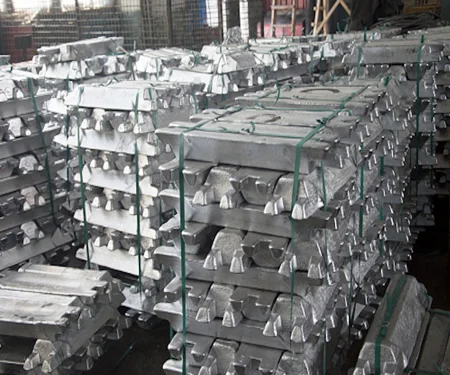
A new development has surfaced in the US–Canada trade relationship. As of July 2025, Canadian Prime Minister Mark Carney announced a potential revision of the existing 25 per cent retaliatory tariff on US aluminium and steel products. This move is contingent upon the outcome of trade negotiations between the two nations and if no agreement is reached within the next 30 days, the tariff structure will be reassessed. The announcement follows a formal policy update issued in July, establishing a conditional framework to guide tariff adjustments based on the progress and direction of ongoing bilateral discussions.
A throwback to the ongoing trade tension between the US and Canada
The trade tensions between the US and Canada escalated when the US imposed a 25 per cent tariff on all Canadian products, effective March 4, 2025. This was soon followed by an additional 25 per cent tariff specifically targeting aluminium and steel imports from Canada, effective March 13. In response, Canada introduced its own 25 per cent retaliatory tariffs on selected US goods, including aluminium, steel and various consumer products.
The situation further intensified on April 3, when the US levied a new 25 per cent tariff on imported automotive products. Amid growing global trade tensions, the US then raised its aluminium and steel tariffs from 25 per cent to 50 per cent, explicitly exempting the UK from this increase. This marked a significant escalation in the trade dispute, with potential implications for supply chains and cross-border trade policies.
Review of the previous trade talks between the US and Canada
In late June 2025, trade talks between the US and Canada resumed after Canada decided to shelve its proposed 3 per cent Digital Services Tax on US tech companies. This move had earlier caused the US to suspend negotiations.
During the G7 Summit held on June 16 in Kananaskis, Alberta, Prime Minister Mark Carney and President Trump committed to reaching a trade agreement within 30 days. However, tensions resurfaced on June 27 when President Trump announced a suspension of talks once again, citing Canada's renewed interest in implementing the digital tax.
On July 11, 2025, President Trump announced that the United States will raise tariffs on Canadian imports from 25 per cent to 35 per cent, effective August 1, targeting goods not covered under the USMCA agreement. While key sectors like energy and fertiliser remain exempt, existing tariffs on steel, aluminium and auto products will stay in place.
Trump justified the hike by citing trade imbalances, barriers impacting the US farmers and Canada's alleged role in the flow of fentanyl into the US. The move is part of a broader strategy that includes potential 15 per cent to 20 per cent tariffs on other nations and a proposed 50 per cent tariff on imports from Brazil.
In response, Canadian Prime Minister Mark Carney reaffirmed his commitment to protect Canadian jobs while continuing negotiations and addressing fentanyl concerns. Both countries now face an August 1 deadline to resolve, with the tariff structure potentially subject to change based on the progress of ongoing discussions.
Canada's strategic tariff move
Canada's 25 per cent retaliatory tariff on the US aluminium and steel reflects a strategic and flexible approach to trade policy, enabling the country to recalibrate its stance in response to evolving diplomatic dynamics. By setting a 30-day deadline, the Canadian government is establishing a defined timeline to resolve, driven by the continued imposition of initial US trade measures. This signals a measured yet firm commitment to safeguarding national trade interests while remaining open to negotiation.
Under the new directive, Canada's tariff revisions will be directly contingent on the outcomes of ongoing bilateral negotiations. Should a trade agreement be finalised within the designated timeframe, the government may recalibrate the existing 25 per cent tariffs, either reducing or lifting them entirely, based on the terms agreed upon. If no resolution is achieved, Canada reserves the right to adjust the tariffs in line with the final direction and outcome of the negotiations, reinforcing a policy framework that remains responsive to diplomatic developments.
The announcement underscores a strategic approach to aligning domestic economic priorities with the imperative of sustaining a stable trade relationship with the US, Canada's largest trading partner. The conditional tariff revision is designed to encourage constructive dialogue while preserving Canada's negotiating leverage throughout the process.
Canada and the US trade relations
In 2024, Canada's exports of aluminium to the US stood at USD 11.5 billion, whereas in 2023, they stood at USD 11.2 billion, showing an increase of 2.60 per cent. On the other hand, Canada's imports of aluminium from the US stood at USD 3.21 billion in 2024, and in 2023, they amounted to USD 3.34 billion, representing a dip by 4.04 per cent.
This indicates that the retaliatory tariff imposed by Canada is unfavourable, given that the exports are much higher than the imports. However, this retaliatory tariff of 25 per cent shall help the country to safeguard the domestic aluminium and its use.
Tariff impact of the US and Canada energy trade deal
Although Canadian energy exports to the US, including crude oil, electricity and natural gas, remain largely exempt from the 25 per cent tariff bracket, Trump's trade measures still exert indirect pressure on the sector.
A 10 per cent reciprocal tariff under national security provisions remains in place, while critical inputs for energy infrastructure such as steel, aluminium and speciality components are still heavily taxed. This has driven up construction and operational costs for both the US and Canadian energy companies, particularly affecting pipelines, power transmission and extraction projects.
While the integrated nature of North American energy trade has prevented immediate disruption to energy flows, the increased cost burden continues to challenge capital investments and project scalability in the sector.
Current Canadian deadline in focus
Industry stakeholders and trade analysts recognise the strategic importance of the 30-day timeline, which injects urgency into the negotiation process. The Canadian government's clear articulation of its intended course of action is expected to shape both the direction and momentum of the discussions, as both parties aim to mitigate prolonged market uncertainty.
The conditional adjustment of tariffs underscores Canada's adherence to a rules-based trade framework. By aligning policy shifts with the progress of bilateral negotiations, the government signals a pragmatic and responsive approach to changing trade dynamics, while maintaining a firm position on critical trade priorities.
With the 30-day window now underway, attention is firmly focused on the diplomatic engagement between Ottawa and Washington. The outcome of these negotiations will be pivotal, not only in shaping the future of the current tariff regime but also in influencing the broader direction of the Canada–US trade relations in the short term.












_md.webp)
_md.webp)
_md.webp)