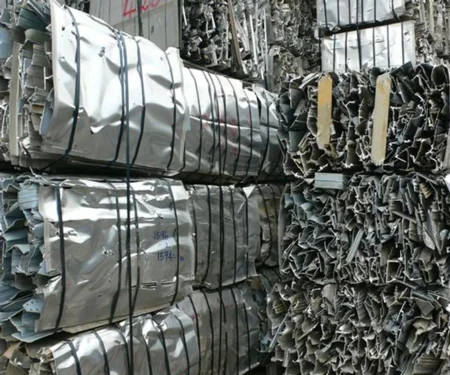
Why scrap is becoming central to the aluminium industry: the past fortnight’s updates
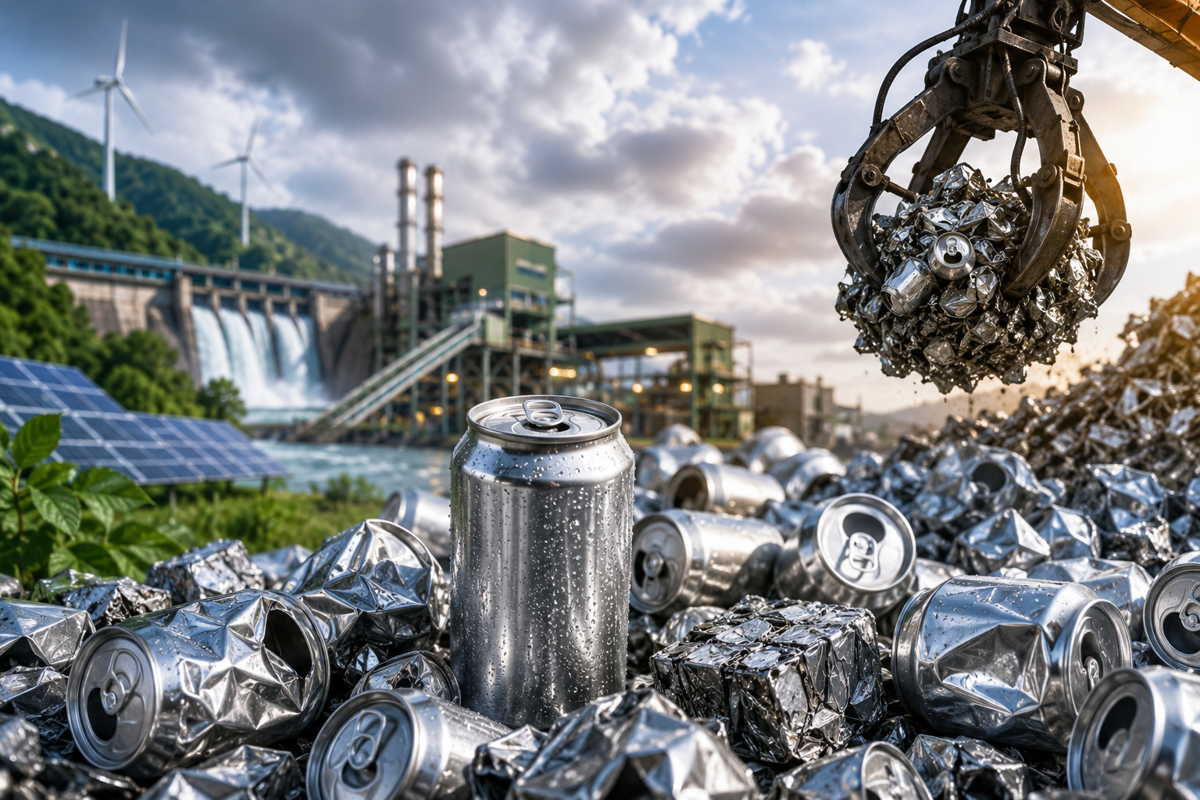
The image used in this article is generated with an AI tool and does not depict any real-time moment
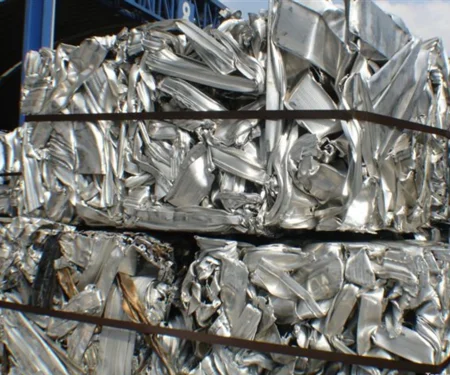
Not too long ago, aluminium scrap was viewed as the end of the metal's lifecycle, a by-product waiting to be melted down and reused. Today, it is becoming the starting point of a new industrial race.
Over the past fortnight, seemingly unrelated developments across Europe, Asia, the Middle East and even the sporting world have converged to tell a single story. The aluminium industry is no longer merely trying to produce more metal; it is trying to secure more scrap. Circularity has moved beyond sustainability rhetoric and is fast becoming a question of competitiveness, supply security and long-term survival.
The transformation begins with a simple economic reality. Producing secondary aluminium consumes only a fraction of the energy required for primary production while delivering significant carbon savings. As manufacturers strive to reduce emissions without sacrificing profitability, recycled aluminium is no longer the alternative—it is becoming the preferred choice. AL Circle has recently explored why secondary aluminium is steadily overtaking primary metal in both economic and environmental value, explaining why yesterday's waste has suddenly become one of today's most valuable industrial resources.
But rising demand for recycled aluminium has created an equally pressing challenge: where will all the scrap come from?
Europe offers perhaps the clearest example. While demand for aluminium continues to rise across sectors such as automotive, construction and renewable energy, the continent's primary production capacity continues to shrink. As AL Circle highlighted in its analysis of Europe's widening supply gap, recycling is increasingly expected to fill the void left by declining smelting operations.
That solution, however, is easier proposed than achieved. Meeting Europe's circular economy ambitions will require an additional one million tonnes of aluminium scrap, a target that sounds achievable until one considers that the rest of the world is chasing the very same material. Scrap is no longer moving solely according to market forces; it is beginning to influence industrial policy and international trade.
China, the world's largest aluminium producer and consumer, increased its overseas aluminium scrap imports during the first quarter of 2026, signalling that even a country with a mature domestic recycling ecosystem continues to seek additional feedstock from global markets. Meanwhile, the UK's aluminium scrap shipments to the United States declined during the same period, highlighting how established trade flows are beginning to evolve as different markets compete for recyclable material.
India, too, is feeling the pressure. Concerned that new European measures could tighten the availability of imported scrap, the country has already initiated discussions with the European Union over potential export restrictions. What would once have been considered a recycling issue has now become a matter of trade diplomacy, underlining the growing strategic importance of secondary raw materials.
Industry, meanwhile, is wasting no time preparing for the future. The inauguration of the UAE's largest aluminium recycling facility is more than another capacity expansion. It reflects a broader industry consensus that future growth will depend as much on recovering aluminium already in circulation as on producing new primary metal. Investments of this scale are being driven not only by environmental commitments but by the recognition that recycled aluminium will play a central role in satisfying tomorrow's low-carbon demand.
Yet recycling represents only one side of the sustainability equation. The industry's decarbonisation journey still depends heavily on clean energy, and despite the rapid expansion of solar projects worldwide, hydropower continues to remain the backbone of green aluminium production. Together, renewable electricity and recycled feedstock are emerging as complementary pillars of aluminium's low-carbon future rather than competing solutions.
At the same time, regulations are ensuring that sustainability is no longer simply a corporate aspiration but an economic necessity. The European Union's Carbon Border Adjustment Mechanism continues to reshape global trade dynamics, with exporters such as New Zealand evaluating its implications for future competitiveness. As carbon increasingly carries a financial cost, producers capable of delivering low-carbon and recycled aluminium stand to gain a distinct commercial advantage.
Interestingly, the circular economy isn't being driven solely by governments and producers. Sometimes, it begins with consumers.
As football fans prepare to celebrate the FIFA World Cup, millions of aluminium beverage cans are expected to enter the recycling stream in the United Kingdom. On the surface, it is a story about sporting celebrations. In reality, it serves as a reminder that every beverage returned for recycling contributes to a supply chain that manufacturers across the world are now competing to secure.
The past fortnight suggests that the industry's next viable advantage will stretch beyond solely being determined by access to bauxite reserves or the size of a smelter. It will increasingly depend on who can secure enough recyclable aluminium, process it efficiently using clean energy and navigate an evolving landscape of carbon regulations and global trade.

Europe's aluminium future: Novelis backs “policy framework” to boost recycling, meet the 52Mt demand
Next articleEU launches CLEANMAT project to advance low-emission aluminium recycling through digital sorting and melt refining
Grow with
AL Circle