Aluminium scrap supply at risk? India seeks EU talks amid new export restrictions
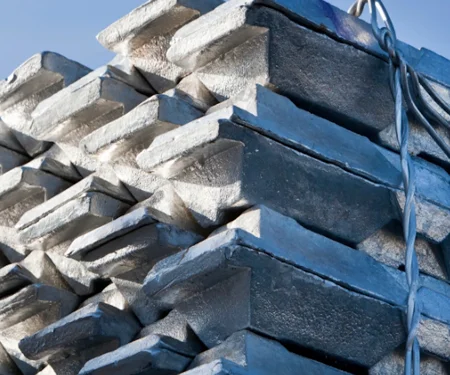
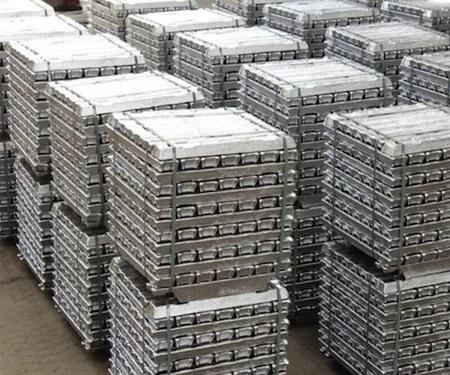
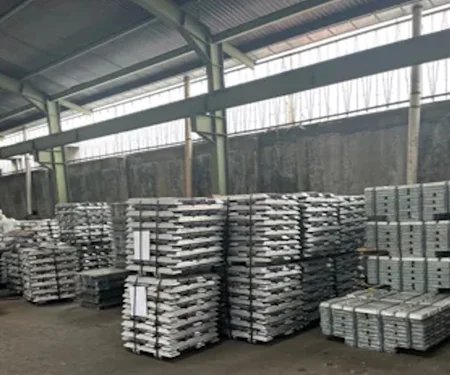
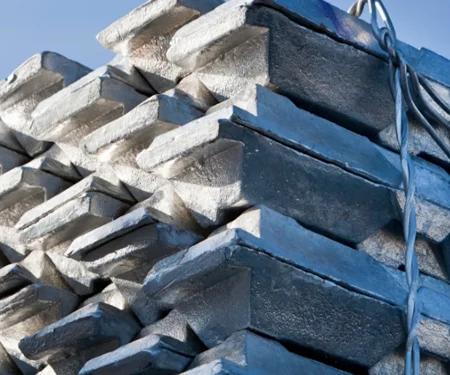
Stock image for referential purposes only
India's Ministry of Commerce is seeking diplomatic discussions with the European Union (EU) regarding its upcoming Waste Shipment Regulation (WSR). It was prompted by concerns that the new framework could restrict the flow of recyclable materials, including aluminium scrap, to non-OECD countries.
As per official documents reviewed by the Business Standard, the Indian Ministry of Commerce assessed the potential impact of the regulation, effective from 2027, which aims to secure recyclable resources within the EU's territories.
In an internal memorandum dated June 8, the Department of Commerce notified the FT (Europe) Division that the measure could affect India's access to quality secondary raw materials.
Delve deeper into the recycled aluminium and secondary aluminium market with our World Recycled ALuminium Market Analysis Industry forecast to 2032
"Since India relies heavily on imports of high-quality scrap from developed countries such as the EU and USA, such restrictions could adversely affect the availability of quality secondary raw materials for Indian industry," the memorandum stated.
The concern bears significance for the aluminium sector, wherein imported aluminium scrap is a crucial feedstock. India remains heavily reliant upon overseas sources, with 80-85 per cent of imports meeting its domestic aluminium scrap demand.
Out of the total aluminium scrap volume of 2.02 million tonnes sourced from the world in 2025, the EU accounted for 18 per cent of the import total.
As of 2025, India imported 366,000 tonnes of aluminium scrap from the EU, which has risen year-on-year by 26.64 per cent over the 289,000 tonnes imported in 2024.
Moreover, India remained the largest importer of aluminium scrap from the EU during the first quarter (Q1) of 2026, having sourced 88,205 tonnes of aluminium scrap.
Industry bodies have also voiced concerns. The Material Recycling Association of India (MRAI) warned that the new EU requirements could subject Indian recycling facilities to extensive audits and additional compliance obligations, increasing operational costs for recyclers.
MRAI further recommended a series of domestic policy measures to reinforce the recycling industry, such as the removal of the 2.5 per cent import duty on aluminium scrap, Goods and Services Tax (GST) reduction on metal scrap from 18 per cent to 5 per cent, exemption of imported non-ferrous scrap from proposed Extended Producer Responsibility (EPR) requirements, and the removal of the mandatory Pre-Shipment Inspection Certification (PSIC) system.
The Engineering Export Promotion Council (EEPC) has extended support for India’s talks with European authorities to ensure the nation’s uninterrupted access to scrap supplies.
Explore the position of aluminium at the intersection of sustainability and strategy in Sustainability & Recycling: Aluminium's Dual Commitment
India imports approximately 9 million tonnes of ferrous scrap, 4 million tonnes of non-ferrous scrap and 1.5 million tonnes of paper scrap each year, highlighting the country's dependence on international recycling material flows.
Seeking to ease industry concerns, Hervé Delphin, EU Ambassador to India, indicated that the ongoing audit process for Indian recycling facilities has so far produced encouraging results.
Delphin mentioned, "As far as we are concerned, there is no indication of anything negative.”
As Europe moves to strengthen resource retention under its circular economy strategy, the outcome of future India-EU discussions could play an important role in shaping the availability of scrap feedstock for India's growing recycling and secondary aluminium industries.
Trading aluminium across borders? Find out the exact cost you need to bear for the embedded carbon in the product by using this CBAM calculator.

Primary vs. Secondary Aluminium: Your scrap is worth more than your smelter
Next articleEU delays aluminium scrap export curbs till September: Will India seize the opportunity?
Grow with
AL Circle