Destinations for the EU’s aluminium scrap exports in Q1 2026 – India and Thailand top the list despite annual declines
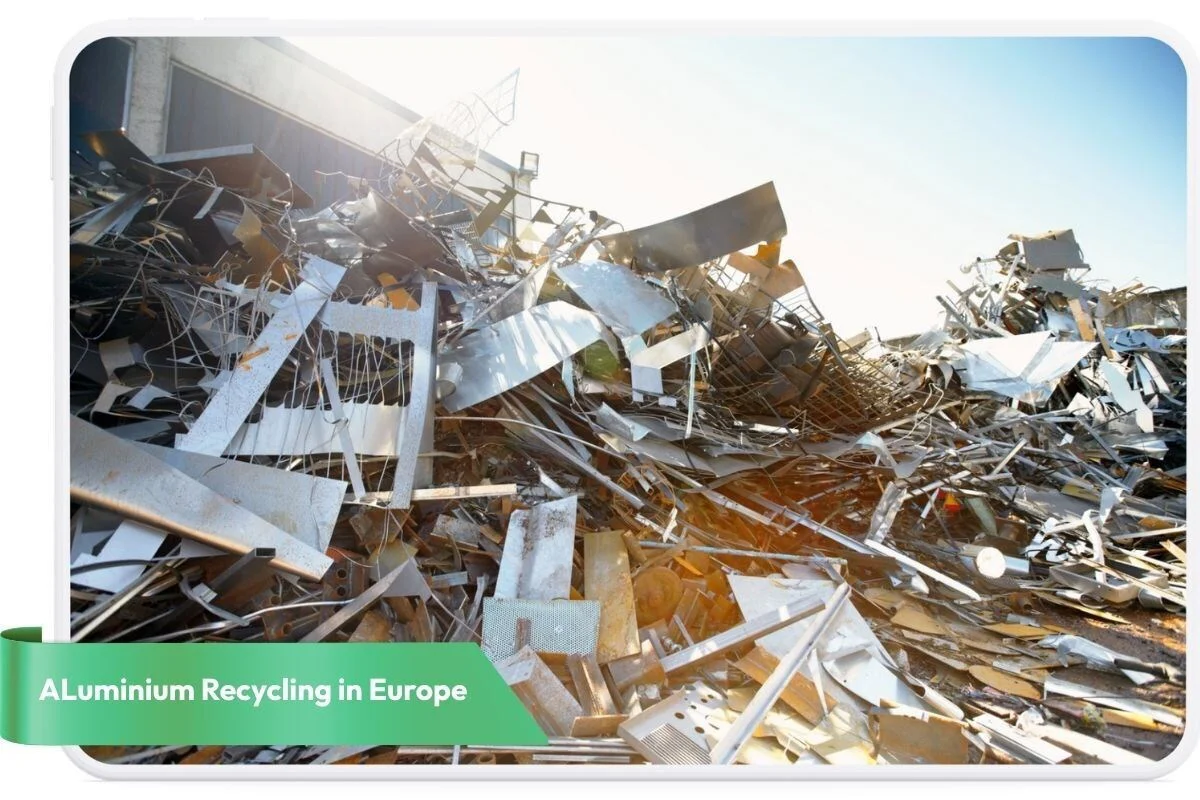
The image(s) used in this article is generated with an AI tool and does not depict any real-time moment
The European Union is one of the largest generators and collectors of aluminium scrap in the world, with over 80 per cent recycling rate. The demand is also robust, with an average annual volume of 8 million tonnes. Yet, the European Union exports 1.2 to 1.3 million tonnes of scrap during a year, which reflects 15 per cent of the volume collected domestically. In Q1 2026, the European Union exported 328,134 tonnes of aluminium scrap, - 69 per cent of which were destined to the Asian countries, according to Eurostat data.
India tops the list with reduced import volume
India remained the largest importer of aluminium scrap from the European Union during the first quarter of 2026, even though their imports declined sequentially. From January to March 2026, India imported 88,205 tonnes of aluminium scrap, down by 7.27 per cent from 95,122 tonnes during the corresponding period of the previous year.
Unlock full access – sign up for FREE.
Key benefits
Europe’s aluminium roadmap: Circularity, resource security, low-carbon imperative
Next articleCould the UK’s aluminium scrap export spike risk domestic industrial strategy by 2035?
Grow with
AL Circle