Adv
LANGUAGES
English
Hindi
Spanish
French
German
Chinese_Simplified
Chinese_Traditional
Japanese
Russian
Arabic
Portuguese
Bengali
Italian
Dutch
Greek
Korean
Turkish
Vietnamese
Hebrew
Polish
Ukrainian
Indonesian
Thai
Swedish
Romanian
Hungarian
Czech
Finnish
Danish
Filipino
Malay
Swahili
Tamil
Telugu
Gujarati
Marathi
Kannada
Malayalam
Punjabi
Urdu
16 JUNE 2026 AL CIRCLE

Solar may be growing, but hydropower remains the backbone of “Green ALuminium” – here’s to it!
EDITED BY : DEBANJALI SENGUPTA 10MINS READ

Solar may be growing, but hydropower remains the backbone of “Green ALuminium” – here’s to it!

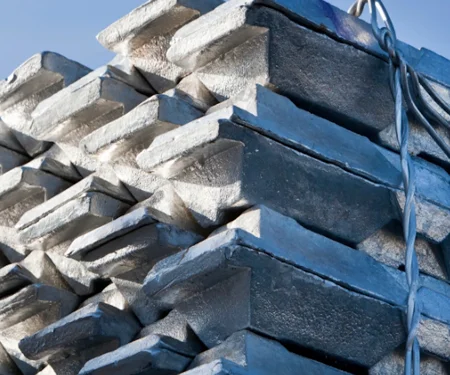
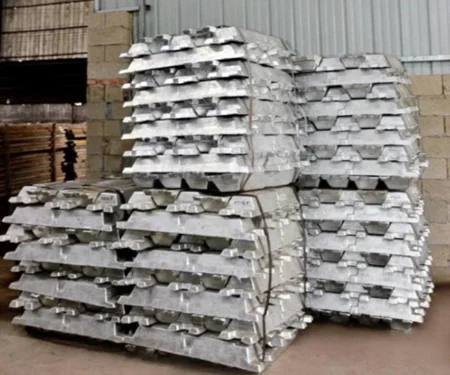
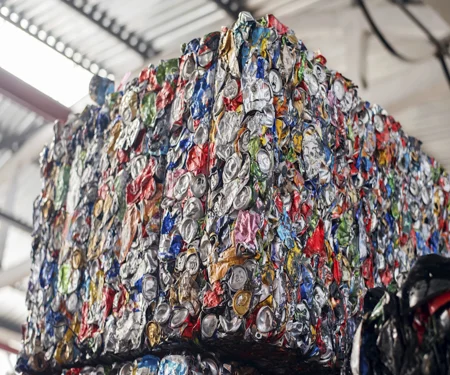
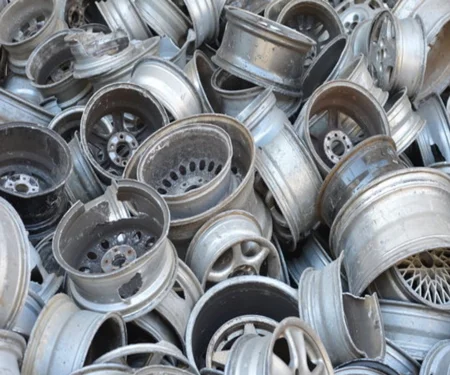
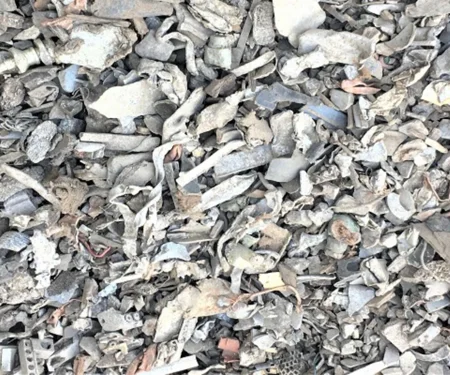
Stock image for referential purposes only

“Green Aluminium” is relatively a modern term referred to the metal produced with significantly lower carbon footprint. This is mainly achieved through recycling or using recycled metal as input, deploying breakthrough technologies such as inert anodes and carbon capture and storage, or through the use of renewable energy sources like hydropower, solar, wind or geothermal electricity. While there is no particular global standard, but usually, aluminium with up to 4 tonnes of CO2e per tonne of metal is commonly used across the industry as a low-carbon reference. This is a cradle-to-gate measurement equivalent to GHG Protocol of Scope 1, Scope 2 and relevant upstream Scope 3 emissions from bauxite mining, alumina refining, and high energy-intensive smelting process.

{alcircleadd}

Recycled and Renewable – how much is not too much

The recycled content varies across products, such as primary foundry alloy products contain close to 30 per cent of post-consumer scrap, while some products even contain 75 per cent. Scrap usage saves almost 95 per cent of energy consumption as compared to the primary aluminium production process. On average, the energy intensity of primary aluminium is around 70 GJ per tonne, making it more power-intensive than steel and cement on a per-tonne basis.

On the other hand, 100 per cent usage of renewable energy is ideal for producing true green aluminium. Switching from coal to renewables can reduce the carbon footprint of aluminium smelting process by roughly 5 times.

How old is ALuminium industry’s transition journey to renewables?

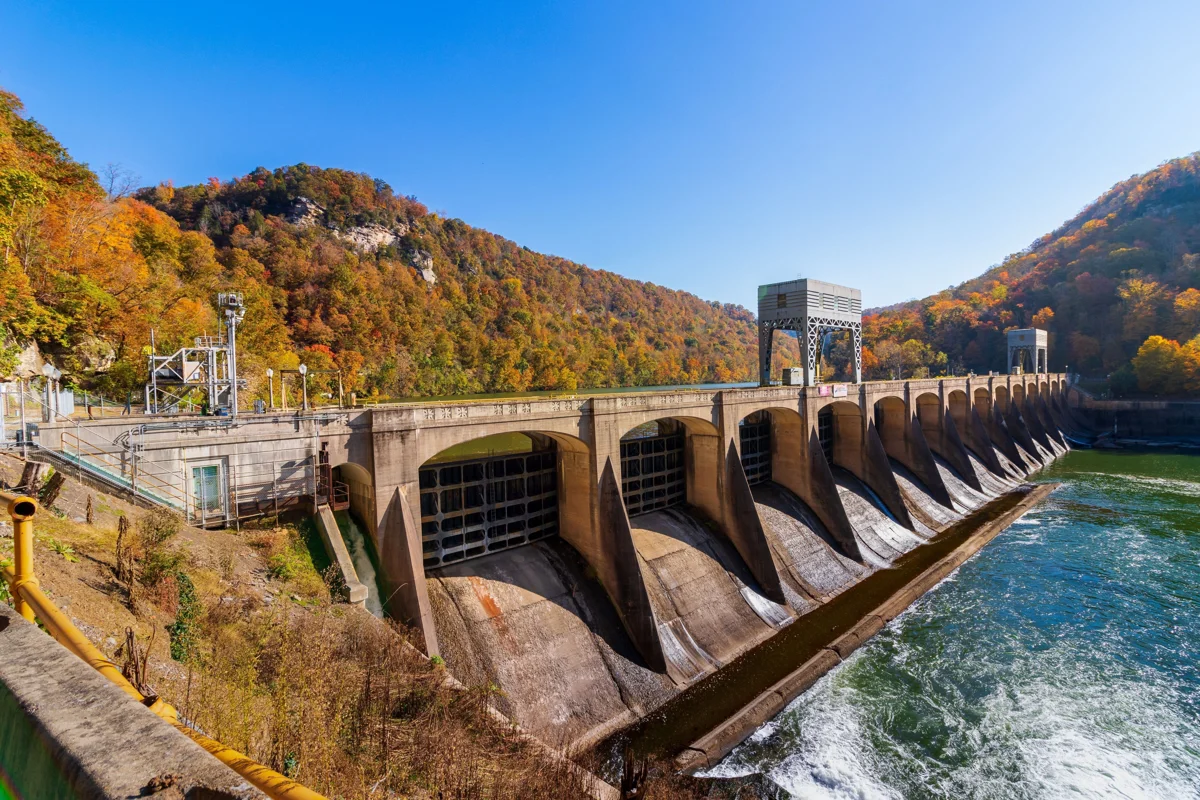
The transitioning journey to renewable energy dates back to the late-19th or 20th Century and it started with the use of hydropower. During the said period, Russia began generating electricity from the energy of moving water. From 1963 to 1971, the Bratsk HPP in Russia was the world’s largest hydroelectric power stations by installed capacity (4.5 GW). The station played a crucial role in the creation of the Bratsk-Ust-Ilimsk territorial-industrial complex, which included the Bratsk Aluminium Smelter (BrAZ).

Cut to 2025, hydropower still dominates as a major renewable energy source in the aluminium industry, accounting for 34 to 39 per cent of global energy mix used in the industry.

Interestingly, solar accounts for the highest share of renewable energy capacity across the globe, yet it is hydropower that is largely being used across the world’s aluminium industry. As of 2025, global cumulative solar power capacity is 2,900 GW, while that of hydro energy is nearly 1,290 GW. Here’s the global renewable energy capacity by source (GW):

Global Renewable Energy Capacity by SourceSource: https://mobilitynotes.com/irena-renewable-energy-capacity-statistics-2025/

Last updated on : 16 JUNE 2026

Adv
Adv
Adv
Adv
Adv
Adv
Adv
EDITED BY : DEBANJALI SENGUPTA 10MINS READ

Responses

Adv
Adv
Adv
Loading...
Adv
Adv
Adv
Loading...
Reports VIEW ALL
Loading...
Loading...
Business Leads VIEW ON AL BIZ
Loading...
Adv
Adv
Would you like to be
featured with us?
Loading...

AL Circle: Aluminium Ecosystem App

A proud
ASI member
© 2026 AL Circle. All rights reserved. AL Circle is not responsible for content from external sources.