Primary vs. Secondary Aluminium: Your scrap is worth more than your smelter
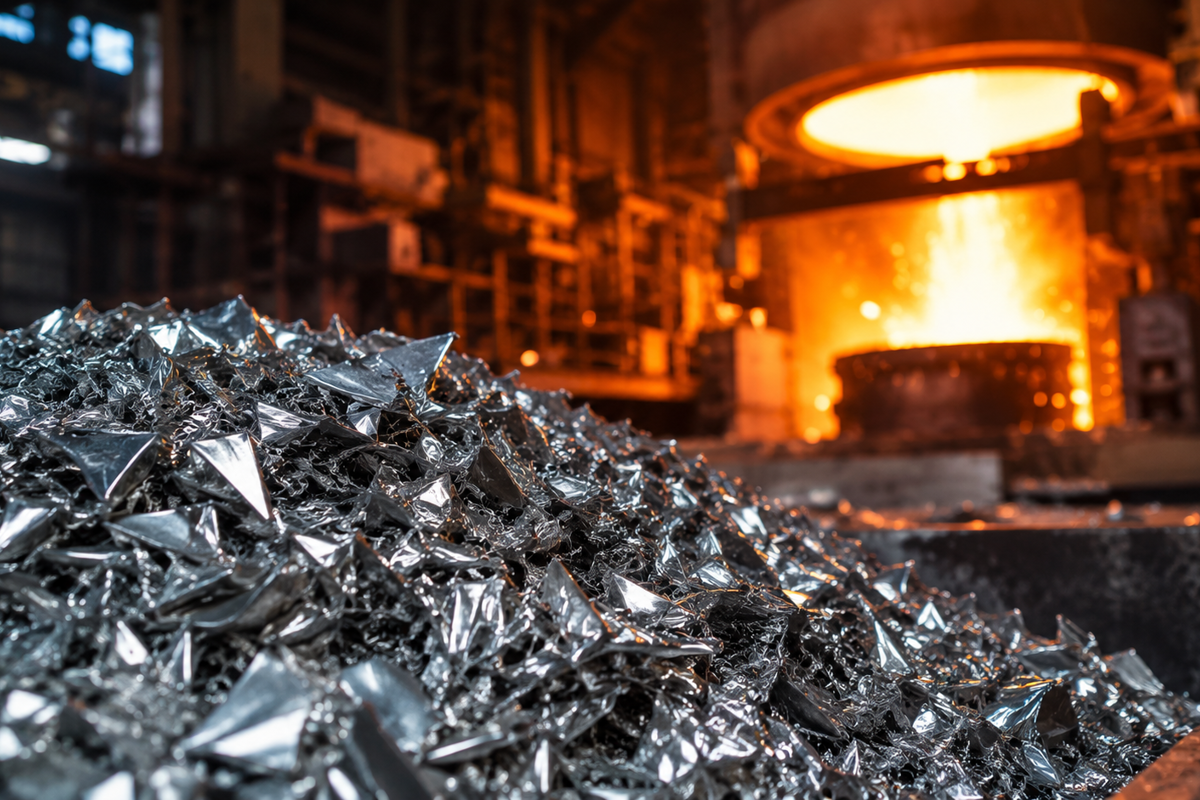
The image used in this article is generated with an AI tool and does not depict any real-time moment
How scrap leakage, CBAM tariffs, and impurity science are redrawing the economics of aluminium
EXECUTIVE SUMMARY:
- The margin threat: Aluminium scrap prices have surged to over 90 per cent of the LME primary ingot price, wiping out traditional arbitrage and forcing a total procurement reset.
- The CBAM reality: Secondary post-consumer scrap carries a zero upstream carbon burden, bypassing the incoming €75.36 per tonne European border taxes that will cripple high-carbon primary imports.
- The technology fix: Advanced photonics and "Design for Recycling" (DfR) architectures are finally untangling the dirty alloy problem, allowing secondary metal to bypass primary dilution entirely and capture 100 per cent of future margin growth.
European remelters are watching their margins evaporate. According to Secretary General of FACE, Mario Conserva, aluminium scrap now frequently trades at more than 90 per cent of the London Metal Exchange primary ingot price - a level that makes secondary production economically indistinguishable from primary. Meanwhile, the European Union's Carbon Border Adjustment Mechanism (CBAM) is preparing to levy crippling border taxes on high-carbon primary imports. If your procurement strategy is still calibrated to a world where scrap is cheap and carbon is free, you are already behind.
Unlock full access – sign up for FREE.
Key benefits
EGA undrapes UAE's largest aluminium recycling plant, boosting low-carbon production and circular economy goals
Next articleAluminium scrap supply at risk? India seeks EU talks amid new export restrictions
Grow with
AL Circle