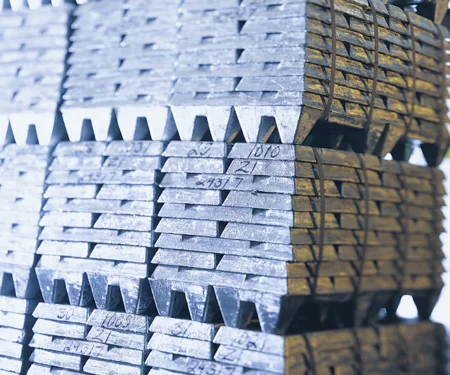
Brazil’s aluminium scrap exports to China surge 590% since 2022, squeezing domestic supply
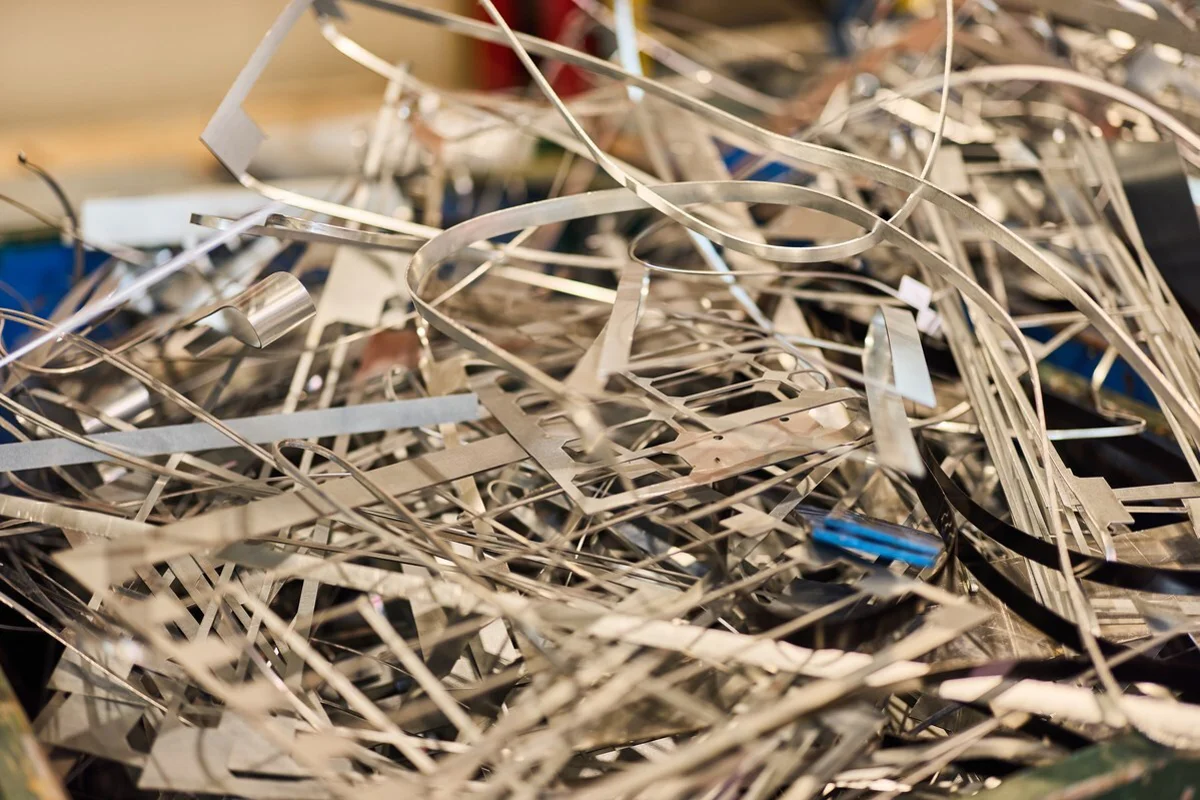
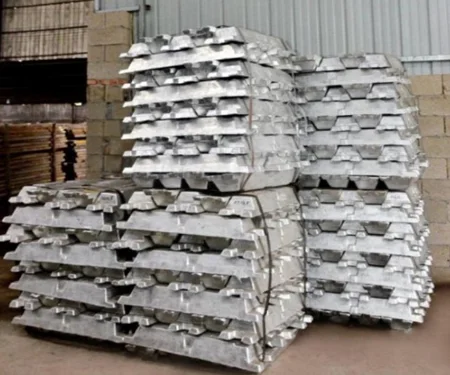
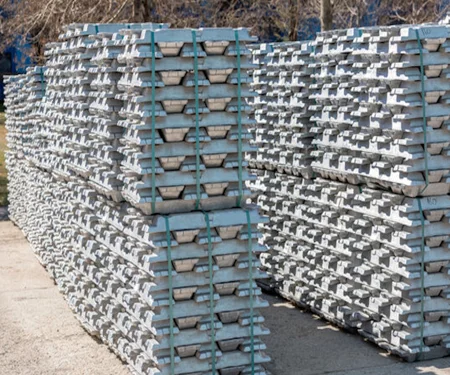
Stock image for referential purposes only
Brazil's aluminium industry is facing a growing shortage of scrap as exports to Asia, particularly China, continue to increase, raising concerns over domestic recycling, decarbonisation and future competitiveness.
Aluminium recycling plays a key role in reducing emissions, with recycled aluminium requiring up to 95 per cent less energy than primary production. However, Brazilian producers say increasing exports of aluminium scrap are making it more difficult to secure raw materials for domestic recycling.
According to the Brazilian Aluminium Association (Abal), around 80 per cent of Brazil's aluminium scrap exports are now shipped to Asia, while China accounts for nearly one-quarter of the country's total scrap exports. Shipments have increased by 590 per cent since 2022, reflecting stronger international demand.
The tighter scrap supply is already affecting local producers. Novelis, Brazil's largest aluminium recycler, closed its scrap collection centre in Juiz de Fora, Minas Gerais, last year, citing a lack of available material. Another recycler, Alumini1, said it temporarily struggled to source scrap after suppliers shifted sales to export markets.
Industry representatives say the shortage could slow efforts to expand the use of recycled aluminium. Novelis said its aluminium sheet products currently contain around 80 per cent recycled content, but the recycling rate could move closer to 100 per cent if more scrap remained in the domestic market.
To know the aluminium casting demand forecast in the construction sector, explore our report "Global Aluminium Casting Market 2026-2032: Plant Economics, Alloy Segmentation, Pricing Intelligence, Supply Chain Analysis & Strategic Recommendations"
Eunice Lima, communications and government relations director at Novelis South America, said, “We understand that this is negatively affecting local producers and transferring sustainability and competitiveness to other countries. We are not against exports. But a country’s development depends on exporting higher value-added products.”
Abal argues that exporting increasing volumes of scrap is transferring both competitiveness and sustainability benefits to overseas producers instead of supporting value-added aluminium manufacturing within Brazil.
Carbon rules strengthen the case for recycling
The debate has gained importance as international markets introduce stricter carbon requirements.
Brazil's primary aluminium is produced largely using hydropower, giving it a lower carbon footprint than production in many other countries. Recycling further reduces emissions, making Brazilian aluminium more competitive in markets introducing carbon-related trade measures.
Brazil recycled 97.3 per cent of its aluminium beverage cans in 2024, equivalent to nearly 34 billion cans or more than 400,000 tonnes, according to industry data. The country continues to record one of the world's highest aluminium can recycling rates.
Recycled metal currently accounts for about 57 per cent of Brazil's aluminium supply, helping reduce both energy consumption and greenhouse gas emissions.
To explore trade opportunities of secondary aluminium, visit AL Biz
Marco Antonio Rocha, a professor at the Institute of Economics at the University of Campinas, said, “However, there are two caveats. First, recycling is limited by the amount of scrap available. It complements, but does not replace, the decarbonization of primary production.”
He further added, “The second caveat is that there is now a global dispute for scrap, with the United States and Asia buying Brazilian material. As in other areas of the green economy, we need to discuss whether we want to export this strategic resource in raw form or keep it and process it here.”
Demand expected to accelerate
The International Aluminium Institute (IAI) expects global aluminium demand to increase by around 40 per cent between 2020 and 2030, driven by renewable energy, electricity networks and electric vehicles. Demand from clean energy and electric vehicle applications is projected to increase fivefold by 2035.
Brazil has access to key resources required for aluminium production, including bauxite, renewable electricity and an established recycling industry. However, producers say maintaining those advantages will require sufficient domestic access to aluminium scrap.
Unlock key insights from industry experts on aluminium's applications in end-user with our magazine: Sustainability & Recycling: Aluminium's Dual Commitment
Abal has warned that stronger competition from China for scrap could increase pressure on Brazil's aluminium industry and has suggested measures such as export controls or policies that prioritise domestic supply before surplus material is exported.
Janaina Donas, Abal’s executive president, said, “We have a series of national policies aimed at strengthening the circular economy and setting recycling targets.” She added, “At the same time, our trade policy needs to act consistently with those policies…Otherwise, the investment ends up decarbonising another country.”
Steinert expands its presence in Mexico
Next articleCost support combined with demand constraints keeps ADC12 prices moving sideways at high levels
Grow with
AL Circle