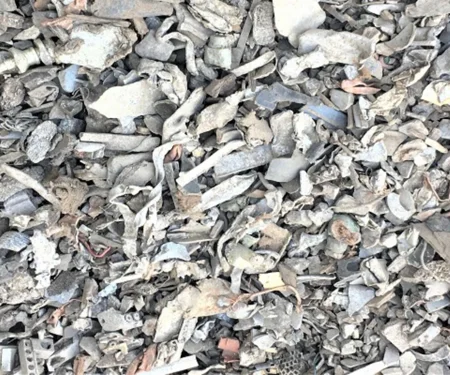
Weakening cost support coupled with insufficient peak-season realisation drove ADC12 price center lower
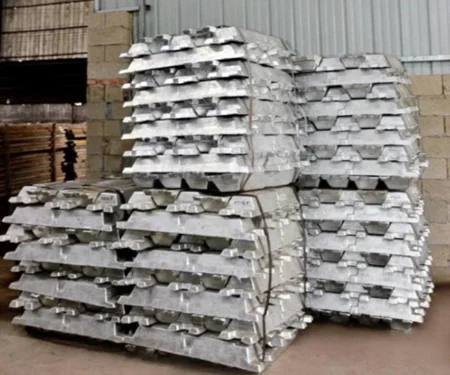
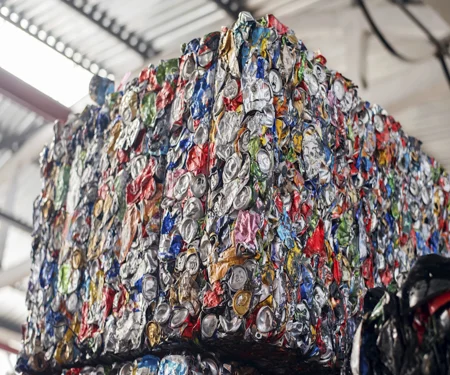
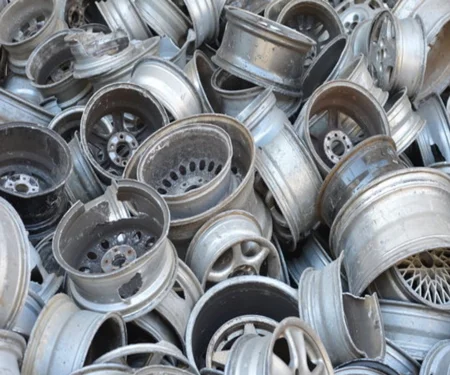
The image used in this article is generated with an AI tool and does not depict any real-time moment
Aluminium scrap:
This week, the aluminium scrap market fluctuated at highs, with the price center shifting lower alongside primary aluminium but showing notable resilience. As of October 15, SMM A00 aluminium prices closed at RMB 23,260 per tonne, down RMB 500 per tonne from last Thursday. The price difference between A00 aluminium and aluminium scrap narrowed significantly: on October 15, the price difference between A00 aluminium and mixed aluminium extrusion scrap free of paint in Foshan was approximately RMB 2,155 per tonne, narrowing RMB 337 per tonne WoW; the price difference between A00 aluminium and shredded aluminium tense scrap was approximately RMB 711 per tonne, narrowing RMB 615 per tonne WoW. Supply side, tax audits in central China continued to deepen, making compliant invoiced aluminium scrap increasingly scarce, with suppliers holding invoices showing strong willingness to hold prices firm. Competition among enterprises was intense, with some only able to issue 20 per cent of their invoice quotas, keeping effective supply tight. On imports, this week prices of imported shredded aluminium at Ningbo Port and Tianjin Port were recorded at RMB 20,970 per tonne (tax inclusive) and RMB 21,020 per tonne (tax inclusive), respectively, down RMB 100 per tonne from last week. In the short term, the aluminium scrap market is expected to hold up well, with limited downside. Supply side, the scope and intensity of tax audits remain the key variable, and the tight supply of compliant invoiced cargoes is unlikely to ease. Demand side, downstream scrap utilization enterprises are operating at moderate rates during the peak season, and with supply and demand both tight, price support is expected to strengthen further. Additionally, the price difference between A00 aluminium and aluminium scrap has narrowed again to historical lows, weakening the cost advantage of aluminium scrap and bringing the issue of primary aluminium substitution back to the table. Going forward, focus on the spread of tax audits, changes in invoice quotas across regions, and downstream operating pace.
Secondary aluminium alloy:
This week, ADC12 prices rose initially before falling, gaining RMB 100 per tonne to RMB 24,500 per tonne early in the week, then pulling back RMB 200 per tonne on Thursday to RMB 24,300 per tonne, with the overall price center edging lower. Cost side, fluctuations in aluminium and copper prices this week drove corresponding adjustments in raw material costs, with aluminium scrap prices holding firmer than primary aluminium. Meanwhile, stricter invoice supervision continued to affect the circulation of compliant aluminium scrap, providing some support to ADC12 prices. Currently, ADC12 prices are above A00 aluminium prices, and some enterprises are considering increasing the proportion of wrought aluminium alloy scrap to optimize production costs. Additionally, the pullback in aluminium prices has to some extent eased raw material purchasing pressure on enterprises. If aluminium prices remain weak and aluminium scrap prices follow with larger declines, cost support will weaken. Demand side, the traditional "October peak season" has underperformed expectations, with limited improvement in downstream orders and purchases still largely need-based. The recent price pullback has prompted some downstream buyers to restock at lower prices, but end-use demand has yet to show substantive improvement, and purchasing enthusiasm remains constrained by price trends and order expectations, limiting the demand side's ability to boost prices. Supply side, after the National Day holiday, enterprises gradually resumed production. This week, operating rates at industry leaders rebounded 6.5 percentage points from pre-holiday levels to 52.1 per cent, though overall operating levels remain below the same period last year. As of October 15, domestic social inventory of cast aluminium alloy ingots fell to 25,200 tonnes, down 5,800 tonnes MoM, with the pace of destocking widening. After the holiday, cast aluminium alloy futures prices fell more than spot prices, driving the futures-spot basis wider and prompting some suppliers to increase shipments, accelerating the drawdown of social inventory. On imports, overseas ADC12 offers pulled back slightly to USD 3,050-3,130 per tonne, with import break-even still near the break-even line. Looking ahead, ADC12 prices are expected to consolidate in a narrow range in the short term, with the core range at RMB 24,000-24,600 per tonne. The current weakness in aluminium prices is fueling bearish market sentiment, while limited improvement in downstream orders leaves spot prices lacking upward momentum. However, relatively firm aluminium scrap prices, tight supply of compliant raw materials, ongoing destocking of social inventory, and limited import replenishment continue to provide some support to prices. Going forward, focus on aluminium and aluminium scrap price trends, changes in market sentiment, and improvements in downstream orders and purchasing demand.
Note: This article has been shared by SMM and has been published by AL Circle with its original information without any modifications or edits to the core subject/data.
Germany’s 99% aluminium can recycling magic: How DRS built a circular economy leader
Grow with
AL Circle