EU carbon border levy raises competitiveness concerns for New Zealand aluminium exports
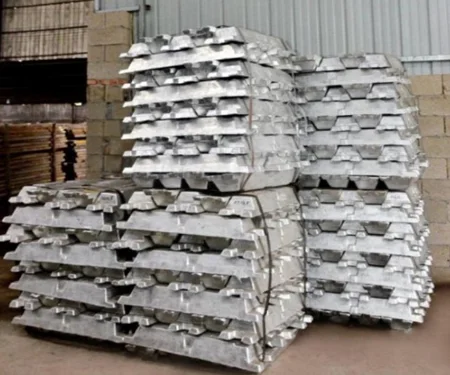
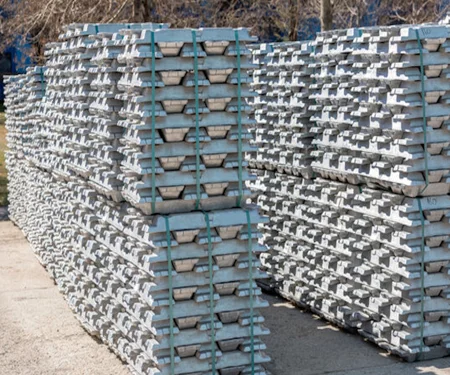
Stock image for referential purposes only
New Zealand aluminium and other carbon-intensive exporters to Europe are facing increasing challenges with the full implementation of the European Union’s Carbon Border Adjustment Mechanism (CBAM).
Since January 1, 2026, EU importers have been required to purchase CBAM certificates corresponding to the carbon emissions embedded in imported products. Aluminium is one of the first sectors to be covered by the mechanism, together with iron and steel, cement, fertilisers, electricity and hydrogen.
The system is intended to make sure that the carbon cost for imported goods is the same as that paid by manufacturers operating under the EU Emissions Trading System (ETS).
Industry observers say New Zealand's carbon price is still much lower than the EU carbon price. It means EU importers of aluminium and steel products from New Zealand could face higher costs to bridge the gap, rendering those exports less competitive.
The added reporting obligations for exporters make the financial impact worse. The EU now requires companies to calculate embedded emissions using its own methodology, so existing reporting under New Zealand’s emissions framework may no longer be sufficient to comply.
Explore: The most comprehensive and forward-looking industry-focused report – Global Bauxite & Alumina Market Forecast to 2036: Supply–Demand, Trade Flows & Price Outlook
Under the CBAM system, businesses exporting covered products will be required to provide detailed emissions data, undergo independent verification and satisfy new registration requirements.
The issue is mostly relevant for New Zealand's industrial sector, including the New Zealand Aluminium Smelter at Tiwai Point, one of the country's largest manufacturing operations.
New Zealand's relatively low-carbon electricity could provide advantages. Producers with lower embedded emissions may be better positioned to compete in the European market as buyers increasingly seek products with smaller carbon footprints.
Industrialists have also said that investing in cleaner production technologies and emissions reporting systems could help exporters strengthen their position as carbon-related trade measures become more common globally.
Concerns are growing that the scope of CBAM could expand beyond industrial products. European policymakers are expected to review the mechanism before 2030, with agriculture one of the sectors being considered for inclusion in the future.
This development highlights the influence of carbon policies on international trade and the increasing importance of emissions performance for exporters targeting global markets.
Explore our e-magazine ALuminium LeaderSpeak 2026 for the latest industry insights and trends

Fastmarkets International Aluminium 2026 to mark 40 years of industry leadership amid a changing global market landscape
Next articleEGA, where one in every four supervisory roles are held by women, celebrates International Women in Engineering Day
Grow with
AL Circle