Vedanta's ₹210b metals push targets India's EV and critical minerals demand

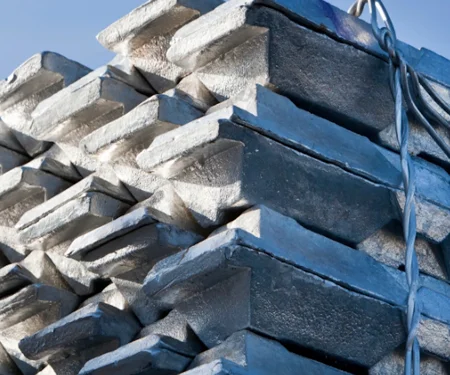
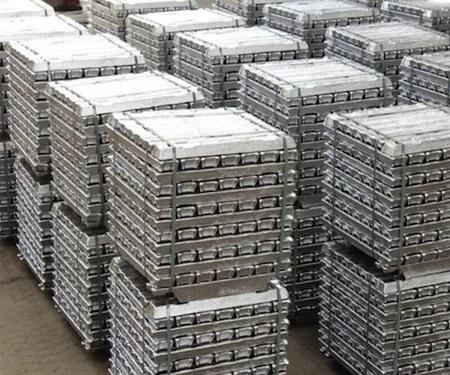
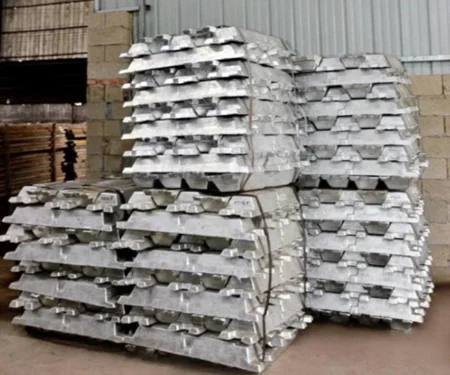
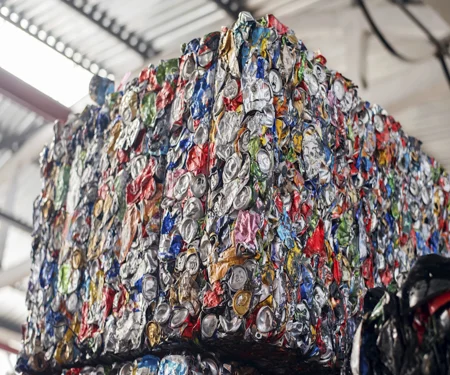
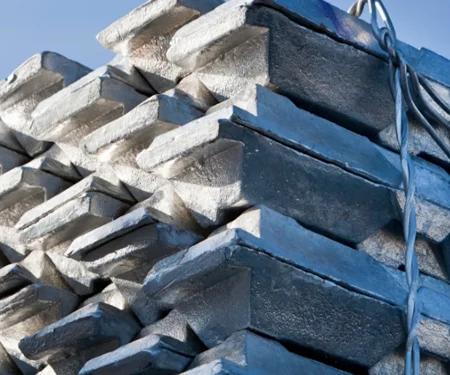
Stock image for referential purposes only
Vedanta is expanding aluminium, copper and other metals capacity as electric mobility and India's demand for critical minerals reshape the domestic materials market.
Vedanta Group is putting INR 210 billion (USD 2.21 billion) into metals production and capacity through FY2026, building a broader materials portfolio aimed at sectors such as electric vehicles, batteries and charging infrastructure.
The investment spans aluminium, zinc, copper, steel, nickel, ferrochrome and value-added alloys, while the group has also secured 10 critical mineral blocks covering commodities including copper, nickel-chromium-PGE, tungsten, graphite, vanadium, rare earth elements and potash.
The expansion comes as India seeks to reduce its reliance on overseas supplies of critical minerals. Vedanta estimates that the country's demand for critical minerals and rare earth elements could increase four- to tenfold by 2047, while India currently imports more than 80 per cent of its critical mineral requirements.
To know the aluminium casting demand forecast in the transportation sector, explore our report "Global Aluminium Casting Market 2026-2032: Plant Economics, Alloy Segmentation, Pricing Intelligence, Supply Chain Analysis & Strategic Recommendations"
Aluminium takes centre stage
Aluminium is one of the biggest parts of Vedanta's expansion, particularly as automakers look for lighter materials for electric vehicles.
Vedanta Aluminium Metal produced a record 2.45 million tonnes of aluminium in FY2025-26, making it India's largest primary aluminium producer.
Its portfolio includes primary foundry alloys, rolled products, billets and slabs for automotive and other applications. The company is also expanding smelting and value-added capacity at BALCO in Chhattisgarh and Jharsuguda in Odisha.
The push is also moving towards lower-carbon and specialised products. Vedanta has introduced Restora and Restora Ultra, its low-carbon aluminium products, as well as Copper-Doped Alloy for high-performance automotive applications and Vedanta Foundry Alloy, developed with IIT Delhi.
For end users, the significance is straightforward: as vehicle manufacturers increase their use of lightweight materials, aluminium producers with a broader range of finished and semi-finished products can capture more of the value chain rather than supplying only primary metal.
Copper demand rises with electrification
Copper is another major focus because electric vehicles typically require three to four times more copper than conventional vehicles.
Vedanta's copper business produced a record 170 kilotonnes of cathodes in FY2025-26. The group is also investing in a copper rod plant in Saudi Arabia, expanding its downstream capacity.
"As EV adoption accelerates, the strength of India's journey will increasingly depend on its ability to secure reliable access to the metals and critical minerals that underpin vehicles, batteries and charging infrastructure," said Arun Misra, CEO of Vedanta Group.
The same electrification trend extends into charging networks and power infrastructure, increasing the importance of reliable domestic and regional supplies of both aluminium and copper.
Explore downstream aluminium suppliers, product listings and trade opportunities on AL Biz
Critical minerals broaden Vedanta's strategy
The group has secured 10 critical mineral blocks, with exploration already under way across five of them. The portfolio includes materials spanning copper, nickel-chromium-PGE, tungsten, graphite, vanadium, rare earth elements and potash.
Nickel gives the group another link to battery materials, with Vedanta describing itself as India's sole primary nickel producer.
Its zinc and silver operations through Hindustan Zinc also contribute to the electrification materials portfolio. Hindustan Zinc produced 851 kilotonnes of refined zinc and 627 tonnes of saleable silver in FY2025-26, alongside specialised automotive zinc alloys and its low-carbon EcoZen product.
Vedanta is also working with IIT Madras and JNCASR on next-generation zinc-based battery technologies for EV and energy-storage applications.
The broader strategy is therefore moving beyond simply producing more metal. By adding critical minerals, downstream products and lower-carbon materials, Vedanta is positioning itself across several parts of the supply chain expected to expand as India's electrification gathers pace.
AL Circle is coming up with a new Magazine "ALuminium’s Frontline: OEM Edition 2026." Feature your brand and opinion in the edition
Stadler’s $31m Astana expansion brings aluminium carbody production to Central Asia
Next articleBall Corporation adds two manufacturing and finance leaders to board, supporting aluminium packaging growth
Grow with
AL Circle