US aluminum maker Shapes Unlimited faces up to $5m in extra costs as tariffs and Iran conflict bite
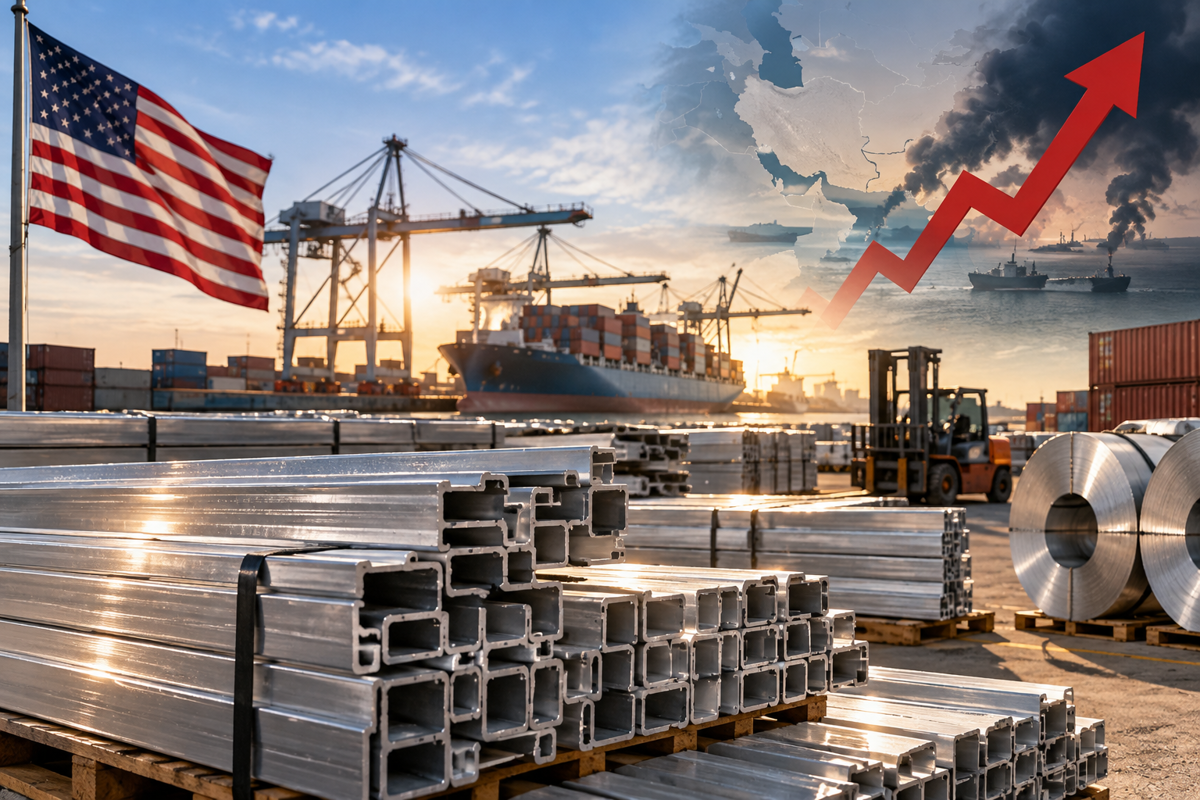
The image used in this article is generated with an AI tool and does not depict any real-time moment.
US aluminum product manufacturer Shapes Unlimited faces up to $5 million in additional costs this year as President Donald Trump’s tariffs and rising freight charges linked to the conflict involving Iran add pressure to American manufacturers.
The Ohio-based company is among businesses grappling with higher input and transportation costs, while uncertainty over US trade policy and deteriorating relations with Canada complicate planning and expansion. Although some American manufacturers have benefited from higher barriers facing foreign competitors, others are struggling to absorb additional expenses and maintain growth.
Doug Rende, chief executive of Shapes Unlimited, told AFP that the combined pressures had become increasingly difficult to manage.
“Frustrating would be one word,” Rende said, adding that he sensed a lack of trust in the administration and the governmental process, including Congress’s role in restraining executive power.
Aluminum tariffs push costs higher
Shapes Unlimited, based in North Jackson, Ohio, manufactures and distributes aluminum building products used in applications such as fences and fixtures. Rende said the company’s additional costs this year alone amounted to approximately $4.5 million to $5 million.
US tariffs on aluminum have increased from 10% during Trump’s first presidency to 25% and subsequently 50%, according to the source. The duties have added to manufacturers’ expenses, with businesses unable to pass the entire increase on to customers.
“There’s only so much that the end consumer is willing to eat,” Rende said. “So, we absorb a healthy portion.”
Higher transportation charges have added another layer of pressure. Rising fuel prices linked to the US-Israel conflict involving Iran have increased shipping costs, with surcharges reaching as much as $6,500 per container for goods from suppliers, Rende said.
The additional expenses have also affected the company’s operational decisions. Shapes Unlimited has paused recruitment for new jobs while investing more in robotic assembly.
To know the global production, demand and consumption forecasts of aluminium extrusions, explore our report "The World of Aluminium Extrusions to 2035"
Canada trade tensions complicate expansion
Manufacturers are also contending with deteriorating trade relations between the United States and Canada, which have imposed tariffs on each other’s products following the breakdown of trade negotiations in August.
Sam Miller, an Ohio manufacturer of kitchen and bathroom products, said his business was facing pressure on both sides of its operations. The company pays tariffs on materials imported from Asia while finding it more difficult to expand into Canada amid the trade tensions.
“It’s been difficult for businesses to manage,” Miller told AFP, adding that he believed the situation could prompt a shift in political views away from Republicans.
Although Miller received refunds after the US Supreme Court struck down many of Trump’s duties, the president subsequently reinstated many of them, according to the source.
The worsening US-Canada relationship has also slowed Miller’s plans to open a distribution facility in Canada this year.
“We’re selling into Canada, and it is particularly straining on both us and our customers,” Miller said.
The challenges extend beyond individual companies. Canada is Ohio’s largest export market, accounting for approximately one-third of the state’s exports, according to Guy Coviello, president of the Youngstown Warren Regional Chamber.
Coviello, whose business group represents around 3,000 members, described the combined effects of tariffs, the Iran conflict and immigration issues as a mixed picture for companies, but negative overall. Some businesses have lost customers or been forced to downsize.
Cross-border supply chains add further complexity, as certain goods move between the United States and Canada multiple times before reaching their final destination.
Iran tensions add pressure to aluminum supply
The conflict involving Iran has increased freight costs and added pressure to aluminum supplies following drone attacks in the Middle East. These developments are compounding the challenges created by tariffs and uncertainty over trade policy.
Coviello said the lack of new US aluminum smelters made the supply situation particularly important. While he supported tariffs on products considered critical to national security, he cautioned against applying the same approach indiscriminately.
“We are all for tariffs for critical items such as defense and medical industry,” he said. “We have to be careful when you’re talking about products that are not crucial and are not available in the U.S.”
The experiences of Shapes Unlimited and Miller’s business illustrate how tariffs and international tensions can affect manufacturers differently depending on their input costs, customer markets and supply chains. While trade barriers can offer protection to some domestic producers, higher material and transportation expenses can offset those advantages for others.
With costs rising and cross-border expansion becoming more difficult, manufacturers face continued uncertainty over how trade policy and developments in the Middle East will affect their operations.
Explore downstream aluminium products from our comprehensive list on AL Biz.
AL Circle analysis: Germany’s aluminium trade surplus, Novelis’ US expansion, Asia’s EV demand & India’s underutilised downstream capacity
Next articleTaeguTec sharpens its aluminium machining game with TTA101 insert
Grow with
AL Circle