Mercedes-Benz adopts Hydro CIRCAL with 75% recycled aluminium for next-gen EVs
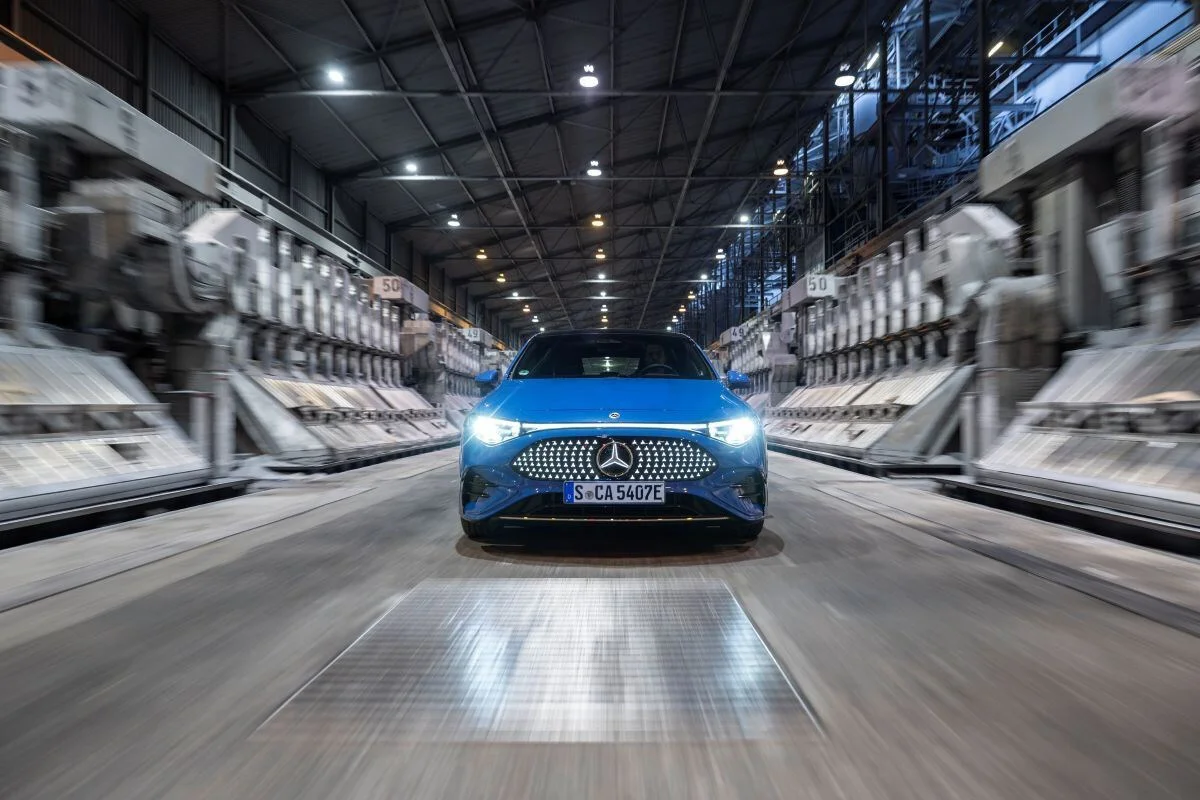
The image has been sourced from https://media.mercedes-benz.com/content?entity=IMAGE
Mercedes-Benz and Norsk Hydro have solidified their long-term partnership to accelerate the use of recycled aluminium across Europe. The initiative reinforces the automotive industry’s decarbonisation goals while reinforcing regional supply chains, thereby taking the EU a step closer to the Net Zero goals.
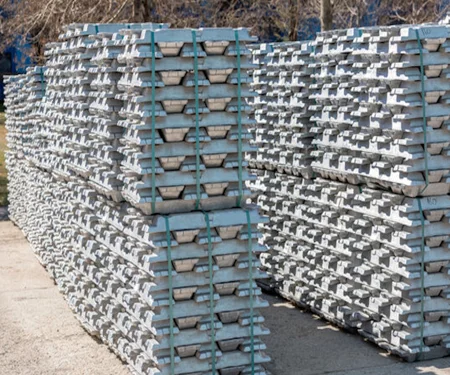
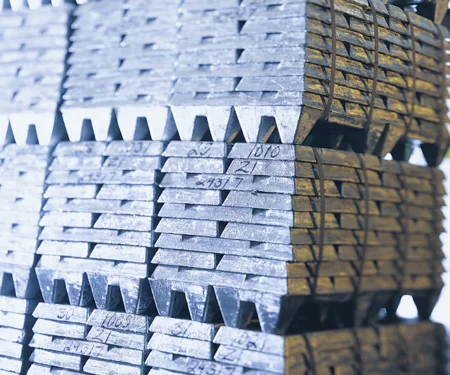
As part of the expanded collaboration, Mercedes-Benz will become the first European automaker to use Hydro CIRCAL in serial production for its next generation of large electric vehicles (EV). The recycled aluminium contains at least 75 per cent post-consumer scrap, a significant increase from the previous minimum of 25 per cent. The material is produced from end-of-life vehicles, buildings and infrastructure through advanced recycling processes.
To know the aluminium casting demand forecast in the transportation sector, explore the “Global Aluminium Casting Market 2026-2032: Plant Economics, Alloy Segmentation, Pricing Intelligence, Supply Chain Analysis & Strategic Recommendations”
Eivind Kallevik, President and CEO of Hydro, noted, the automotive industry’s requirement for “materials that can cut emissions without compromising quality, safety or performance.”
So, “By combining Hydro CIRCAL recycled aluminium with Hydro REDUXA low-carbon primary aluminium,” the company aims to “accelerate the transition to lower-carbon vehicles while building more resilient value chains.”
Focus extends to low-carbon primary aluminium
Alongside expanding recycled aluminium use, the companies will continue working to reduce emissions from primary aluminium production by increasing supplies of Hydro REDUXA and jointly lowering its carbon footprint over time.
Hydro said combining recycled and low-carbon primary aluminium will help meet rising demand while reducing reliance on virgin raw materials. Localised recycling is also expected to shorten supply chains and improve material security.
“The next generation of automotive supply chains will be defined by higher levels of circularity, a lower-carbon footprint and a deeper level of localisation,” stated Yanni von Roy-Jiang, Head of Procurement & Supplier Management at Mercedes-Benz AG.
To explore trade opportunities of secondary aluminium, visit the AL Biz platform.
Building on an existing decarbonisation roadmap
The partnership builds on a 2022 letter of intent outlining a joint low-carbon technology roadmap through 2030. In 2024, both companies expanded their collaboration to cover the entire aluminium value chain, from raw material sourcing to finished products, including the Corridor Program in Brazil, which combines supply chain decarbonisation with social responsibility initiatives.
Mercedes-Benz already sources Hydro REDUXA, produced using renewable energy, with a carbon footprint more than 70 per cent below the global average.
As Mercedes-Benz expands its electric vehicle lineup, from the EQS and EQE to the G-Class EV and future Mercedes-Benz E-Class electrified models, its agreement with Hydro further reinforces both companies’ commitment to circularity, regional sourcing, and lower-carbon mobility.
Explore the position of aluminium at the intersection of sustainability and strategy in Sustainability & Recycling: Aluminium's Dual Commitment
ALFED calls for greater domestic aluminium recycling to improve the UK's industrial competitiveness
Next articleMiddle East export ban disrupts aluminium scrap trade, pushing India toward new markets
Grow with
AL Circle