Middle East export ban disrupts aluminium scrap trade, pushing India toward new markets
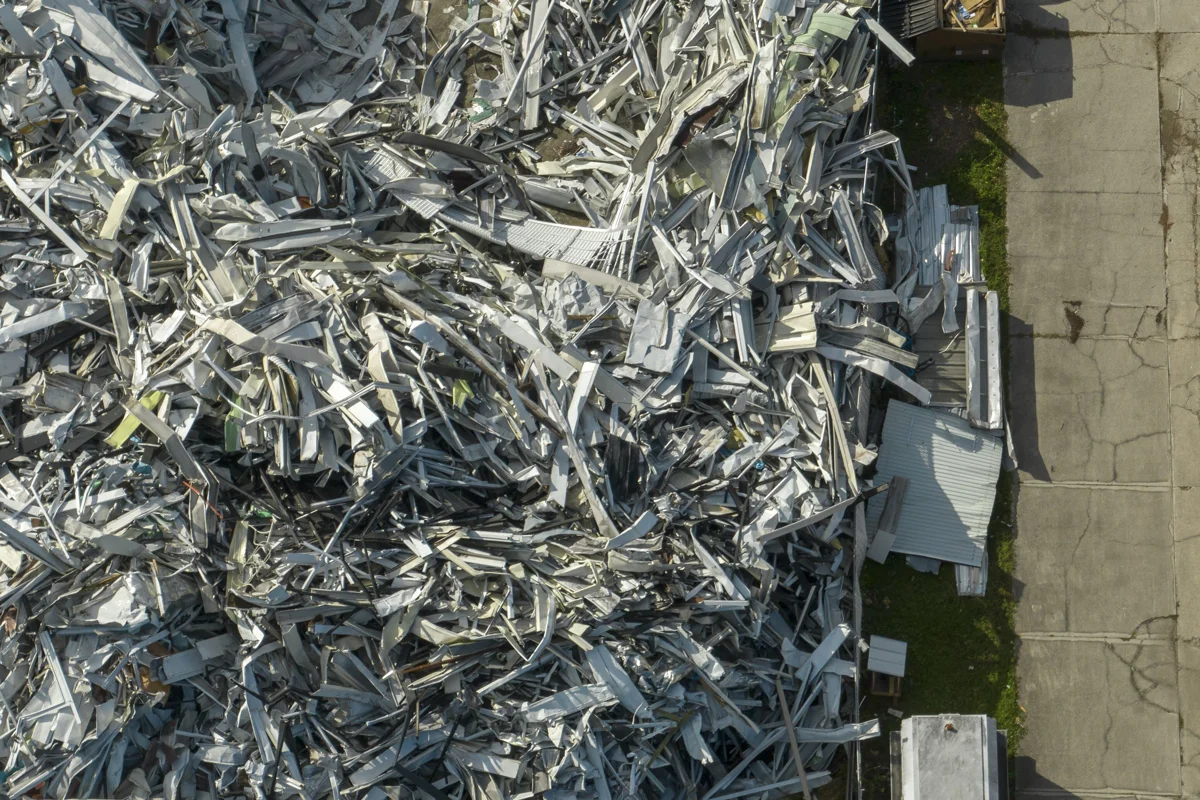
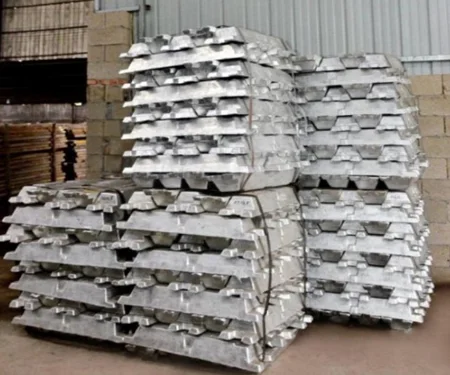
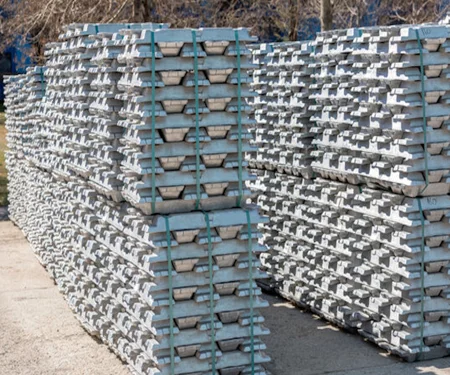
Stock image for referential purposes only
India's aluminium scrap importers are looking beyond the Middle East for supplies after several Gulf countries imposed a ban on aluminium scrap exports from June 10, disrupting shipments from one of the country's key sourcing regions.
The restrictions have prompted importers to explore alternative suppliers in Brazil, the Dominican Republic, Singapore, Hong Kong and Malaysia as they seek to secure raw material for India's secondary aluminium industry.
Aluminium scrap is the primary feedstock for secondary aluminium production, which supplies metal to the automotive, electrical, construction, packaging, consumer durables and engineering sectors. India depends heavily on overseas supplies, with around 80 per cent of its aluminium scrap requirement met through imports.
To know the aluminium casting demand forecast in the construction sector, explore our report "Global Aluminium Casting Market 2026-2032: Plant Economics, Alloy Segmentation, Pricing Intelligence, Supply Chain Analysis & Strategic Recommendations"
During 2025-26, India imported 2.02 million tonnes of aluminium scrap worth INR 40,203 crore (USD 4.2 billion). The Middle East accounted for about 400,000 tonnes, or nearly 20 per cent of total imports, making it India's third-largest sourcing region after Europe and North America. The export restriction, which covers selected aluminium, copper and iron scrap categories, is expected to remain in force until October 8.
Europe remained India's largest supplier of aluminium scrap during the year, exporting around 0.54 million tonnes worth INR 10,206 crore (USD 1.06 billion). North America followed with 0.48 million tonnes valued at INR 8,683 crore (USD 907 million). Supplies from ASEAN countries stood at 0.14 million tonnes worth INR 3,231 crore (USD 337 million), while East Asia and Oceania contributed another 0.11 million tonnes valued at INR 2,480 crore (USD 259 million).
To explore trade opportunities of secondary aluminium, visit AL Biz
Industry representatives said replacing Gulf supplies will not be easy. Sanjay Mehta, President of the Material Recycling Association of India (MRAI), said no single country can compensate for the shortfall. He added, "There is much chaos for various grades of aluminium scrap or other recyclable scrap from other countries and price may move up as we need to continue our production target of aluminium in India."
The industry is also facing higher procurement costs as longer shipping routes coincide with India's 2.5 per cent import duty on aluminium scrap. Mehta noted that competing countries do not impose similar duties, putting Indian recyclers at a cost disadvantage. The Ministry of Mines has already recommended removing the duty and forwarded the proposal to the Finance Ministry.
Unlock key insights from industry experts on aluminium's applications in end-user with our magazine "Sustainability & Recycling: Aluminium's Dual Commitment"
Industry participants said the combination of rising global aluminium scrap prices, longer shipping routes and India's 2.5 per cent import duty is increasing the landed cost of imported scrap. They warned that the higher input costs could weaken the competitiveness of India's secondary aluminium producers, particularly against manufacturers in countries that do not impose import duties on scrap and have easier access to raw materials.
Bharat Garg, President of the Federation of All India Aluminium Utensil Manufacturers, said the UAE has long been an important supplier of aluminium scrap to India. He said the export ban has reduced material availability, increased international scrap prices, raised freight costs and forced recyclers to diversify sourcing until exports from the Gulf resume.
Mercedes-Benz adopts Hydro CIRCAL with 75% recycled aluminium for next-gen EVs
Next articleAlupro’s impact report demonstrates critical importance of supply chain collaboration
Grow with
AL Circle