ALFED calls for greater domestic aluminium recycling to improve the UK's industrial competitiveness
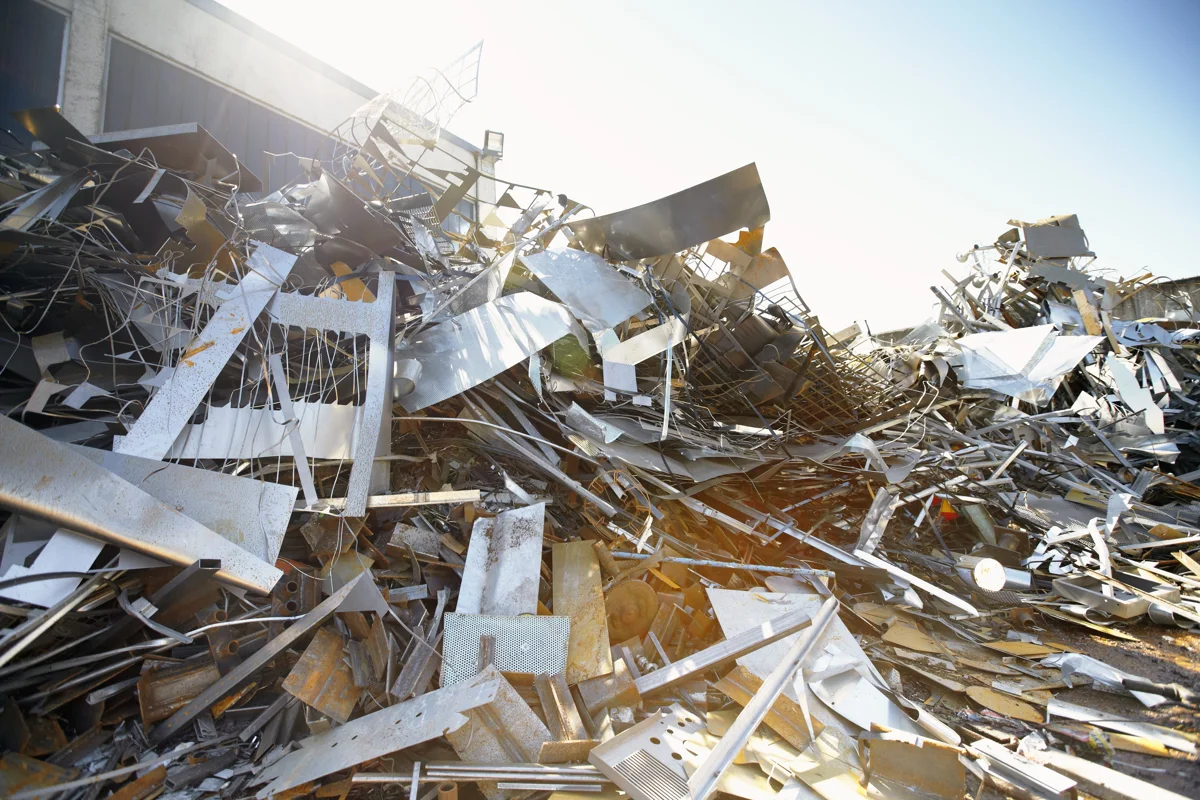
Stock image for referential purposes only
Aluminium is often described as one of the most recyclable industrial materials, and the UK already has much of the infrastructure needed to support a circular aluminium economy. Collection systems are well established, recycling rates are strong, and remelting capacity exists across the supply chain. According to Nadine Bloxsome, CEO of the Aluminium Federation (ALFED), the challenge is no longer whether aluminium can be recycled, but whether the UK is keeping enough of the value created from that recycled material.
One of the biggest issues is the way aluminium is still viewed. The term "scrap" often suggests waste, yet secondary aluminium has become one of the UK's most important raw materials, particularly as domestic primary aluminium production remains limited. ALFED estimates that recycling aluminium requires up to 95 per cent less energy than producing primary metal, making it an important contributor to industrial competitiveness as well as the country's net-zero ambitions.
Despite this, the UK continues to rely heavily on imported primary aluminium. Around 68,000 tonnes were imported from the UAE, Bahrain, Oman, Qatar and Saudi Arabia during 2025. Recent geopolitical tensions and disruptions affecting energy-intensive smelting operations in the region have highlighted the risks that come with depending on overseas supply. Making greater use of aluminium already circulating within the UK would not only reduce that exposure but also strengthen domestic manufacturing.
The UK generates large volumes of aluminium scrap every year, yet much of the material leaves the country instead of being processed locally. Trade figures illustrate the trend. Aluminium scrap exports to the United States increased from around 2,000 tonnes in 2024 to more than 23,000 tonnes in 2025, while total exports under HS Code 7602 rose from about 612,000 tonnes to more than 623,000 tonnes. During the same year, the UK also imported around 90,000 tonnes of aluminium scrap, showing that the issue is not a shortage of material but where that material is processed and where its value is ultimately created.
Explore: The most comprehensive and forward-looking industry-focused report “World Recycled ALuminium Market Analysis Industry forecast to 2032”
According to Bloxsome, the main weakness lies in the middle of the supply chain. The UK has strong collection systems and established demand, but investment in advanced sorting, alloy-specific processing and recycling-to-product infrastructure has not kept pace. Without enough domestic processing capacity, exporting aluminium scrap often becomes the most commercially attractive option, even though retaining and processing it within the UK could generate greater long-term value.
Aluminium also presents different challenges from many other recycled materials. Its performance depends heavily on alloy composition, requiring specialised processing and, in many cases, closed-loop recycling systems. Because of this, ALFED believes aluminium should be addressed through policies designed specifically for its value chain rather than through broader recycling measures that apply to all metals.
The UK aluminium sector is also closely linked with Europe through ownership, processing networks and long-established supply chains. At the same time, the European Union is placing greater emphasis on circularity and retaining more recyclable materials within its own market. If these policies become more restrictive and the UK does not respond, there is a risk that the country could increasingly become a supplier of aluminium scrap rather than a producer of higher-value recycled products.
ALFED does not support export restrictions. Aluminium is traded globally, and international trade will continue to play an important role in the industry. Instead, the federation argues that the focus should be on improving the conditions that encourage more aluminium to be processed within the UK.
Through the UK Aluminium Alliance, the federation is working with industry and government to identify capability gaps, assess processing capacity and build the evidence needed to support future investment.
The UK already has the raw material, technical expertise and industrial demand needed to build a stronger recycling economy. The remaining challenge is creating the market conditions that allow more of that aluminium to be processed and used at home. Doing so would reduce dependence on imports, strengthen supply-chain resilience and allow more of the economic value generated from recycled aluminium to remain within the UK.
Explore our e-magazine “Sustainability & Recycling: Aluminium's Dual Commitment” for the latest industry insights and trends.
Recognising aluminium scrap as a strategic secondary raw material is part of that process. Equally important is ensuring that recycled aluminium is retained, processed and used where it can generate the greatest economic value.
With the right investment and policy support, aluminium can play a much larger role in the UK's industrial future, contributing not only to recycling targets but also to a more resilient and competitive manufacturing sector.
Cost support battles weak demand; short-term ADC12 prices move sideways
Next articleMercedes-Benz adopts Hydro CIRCAL with 75% recycled aluminium for next-gen EVs
Grow with
AL Circle