Alcoa is set to invest US$163 million (AU$260 million) in a now-mandatory water management system at its caustic red mud storage site in Kwinana, as savings from the shutdown of its 60-year-old alumina refinery have been slower than anticipated.
The closure, announced in January 2024, was initially expected to cost up to US$200 million (AU$319 million), including US$81 million earmarked for water management and US$55 million allocated for the redundancy or redeployment of 800 employees.
Furthermore, Alcoa intends to spend US$70 million in 2024, preparing for a shift to a new mining area within the Jarrah forest, with more significant investments expected in 2026. This comes as the company continues to face scrutiny in Western Australia (WA) after revelations two years ago that its strip mining activities near Serpentine Dam posed risks to Perth’s water supply.
Despite these challenges, Alcoa received permission from the WA government in December 2024 to continue operations while the independent Environmental Protection Authority reviews its activities. Under a revised regulatory framework, WA Premier Roger Cook emphasised that the new approach offers enhanced environmental protections.
Alcoa’s chief executive officer, Bill Oplinger, highlighted the importance of advancing mining approvals in WA, underscoring the company’s commitment to sustainable operations. In the coming months, Alcoa is expected to release for public consultation a detailed environmental assessment of its proposed expansion of the Huntly mine, located inland of Pinjarra.
The company is expected to release for public comment in the coming months a detailed environmental assessment of an expansion of its Huntly mine inland of Pinjarra.
“We successfully operated under our new mining conditions in Western Australia (in 2024), which included daily observation of our mining and rehabilitation practices by certain regulators,” he said.
In 2024, Alcoa Corporation experienced several significant events, including the acquisition of Alumina Limited. In February 2024, Alcoa announced its intention to acquire Alumina Limited for $2.2 billion in an all-stock deal, aiming to gain full ownership of Alcoa World Alumina & Chemicals (AWAC). The acquisition was completed in August 2024. At the beginning of 2024, the company announced it would cease alumina production at its Kwinana refinery in Western Australia, citing market challenges and the facility’s age. As the year advanced, in June 2024, Alcoa announced an agreement to demonstrate its ELYSIS™ carbon-free smelting technology on an industrial scale, marking a significant step toward sustainable aluminium production.
The acquisition of Alumina Limited was a transformative move for Alcoa, granting full ownership of Alcoa World Alumina & Chemicals (AWAC). This strategic decision enables the company to optimise its supply chain, streamline decision-making, and strengthen its market position as a leader in alumina production. Similarly, the advancement of ELYSIS™, its carbon-free smelting technology, represents a leap toward sustainability. By positioning itself as a pioneer in green aluminium production, Alcoa can appeal to environmentally conscious customers and investors while aligning with global trends toward decarbonisation. These innovations are likely to enhance Alcoa’s long-term competitiveness and brand reputation.
Alcoa reported strong financial results in 2024, with a notable fourth-quarter performance. The company achieved earnings per share of $1.04, surpassing market expectations. However, concerns over potential new tariffs on aluminium imports from Canada led to a decline in stock prices. In December 2024, Chevron Australia entered a 10-year agreement to supply 130 petajoules of gas to Alcoa, starting in 2028. The gas will power Alcoa’s alumina refineries in Western Australia.
Alcoa Australia secured power supplies for its Portland Aluminium Smelter until mid-2035 through a new agreement with AGL. This deal ensures the smelter can operate at up to 95 per cent capacity, supporting 760 jobs and local suppliers. But, in October 2024, a chemical leak occurred in Alcoa, Tennessee, leading to an investigation after the leak was stopped.
On the operational front, the company has secured stability through long-term agreements. The 10-year gas supply deal with Chevron Australia ensures a reliable and cost-effective energy source for its Western Australian refineries, while the power agreement for the Portland Aluminium Smelter guarantees near-full-capacity operations until 2035. Both agreements mitigate the risk of energy supply disruptions and safeguard critical jobs, demonstrating Alcoa’s commitment to maintaining stable operations.
However, not all developments were positive. The curtailment of alumina production at the Kwinana refinery marks a significant reduction in output, likely impacting supply capabilities and raising concerns about regional job losses.
Alcoa chief financial officer Molly Beerman said the US bauxite miner and aluminium producer had allocated a further US$82 million to manage water at its Kwinana bauxite residue site.
“During the fourth quarter, we completed the technical evaluation of the water management requirements for the residue areas and increased the duration of the transition and related equipment costs for ongoing water treatment,” she told Wall Street analysts Thursday morning Perth time.
The Kwinana refinery made a loss of US$130 million in 2023, and Alcoa initially expected to save US$70 million a year once it closed down in mid-2024.
“The Kwinana curtailment has been slow to deliver savings due to high transition and holding costs,” Alcoa chief financial officer Molly Beerman said, adding that the company was still chasing the targeted savings.
Alcoa refers to the closure as a curtailment, as it may reopen the facility in the future. It continues to use the Kwinana site to export alumina from its Pinjarra refinery.
If the site closed permanently, Alcoa would face further significant costs.
Alcoa still has US$140 million set aside to spend at Kwinana and expects to outlay a large majority of that this year.
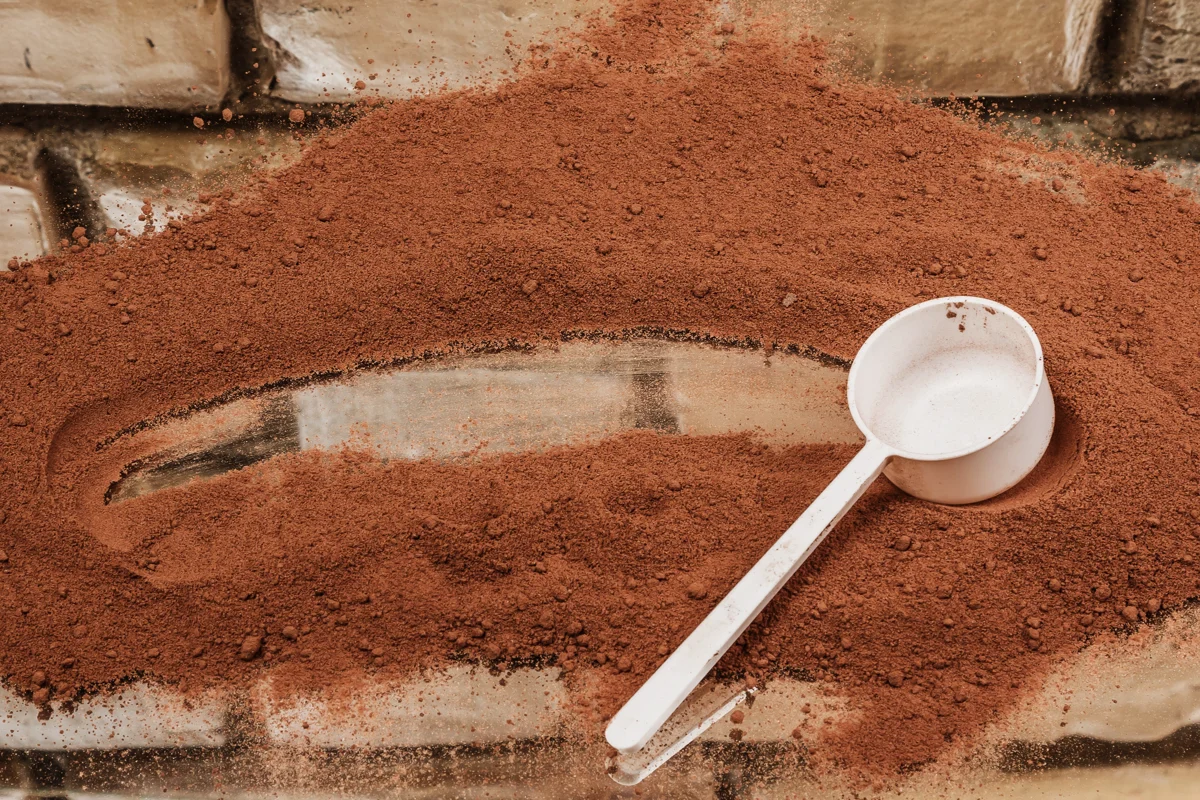
Over six decades, Alcoa has piled 140 million tonnes of highly caustic waste inland of the Kwinana refinery as high as 85m.
Near its three WA refineries - Kwinana, Pinjarra, and Wagerup - the company stores enough red mud to fill Optus Stadium more than 350 times. In 2024, the company disclosed that 21 storage areas failed stability checks.
Furthermore, the chemical leak in Alcoa, Tennessee, could damage the company’s reputation for safety and environmental responsibility, potentially resulting in regulatory scrutiny and financial penalties. Additionally, uncertainties surrounding potential aluminium tariffs on Canadian imports may increase operational costs and create volatility in key markets, which could weigh on investor confidence.
Overall, while Alcoa demonstrated resilience with strong financial performance in 2024, the mixed nature of these incidents highlights both opportunities and challenges. Investments in sustainability and acquisitions position the company for future growth, but operational setbacks and external pressures may require careful management to ensure long-term success.