Red mud-based concrete cuts carbon footprint by up to 79.8% in Trinity College Dublin study
Stock image for referential purposes only
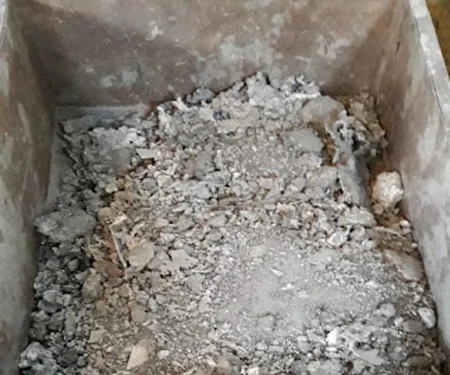
Researchers at Trinity College Dublin are testing a new type of concrete made using red mud, a residue from alumina refining. The project, supported by Enterprise Ireland and carried out with Gannon Eco and McGrath Quarries, has progressed from laboratory research to trials using industrial batching equipment.
The university reported on 22 October that the geopolymer concrete formulations reduced the carbon footprint by 67.8–79.8 per cent against a CEM II-A/L cement reference. The comparison included raw material supply, transport and manufacturing.
To know the futuristic market and value proposition of red mud, explore the report "A Comprehensive Analysis of Bauxite Residue (Red Mud): Sustainability, Resource Recovery and Strategic Recommendations"
Laboratory tests also found that the formulations performed as well as or better than conventional concrete when exposed to sulphates, wetting and drying, and frost.
The team is now conducting trials with existing industrial batching equipment to address practical production requirements. Key issues include keeping the concrete workable during transport and placement, managing setting times and lowering the cost of the activators needed to produce geopolymer binders.
Explore alumina and other essential inputs in the right grades from global suppliers on AL Biz.
Researchers are now adjusting admixture formulations and investigating cheaper activators made from waste materials. Long-term performance tests and regulatory approval will be needed before the material can be used more widely.
Grow with
AL Circle