Trimet seeks changes to Alcoa-South32 deal, concerned over reduced independent alumina supply in Brazil
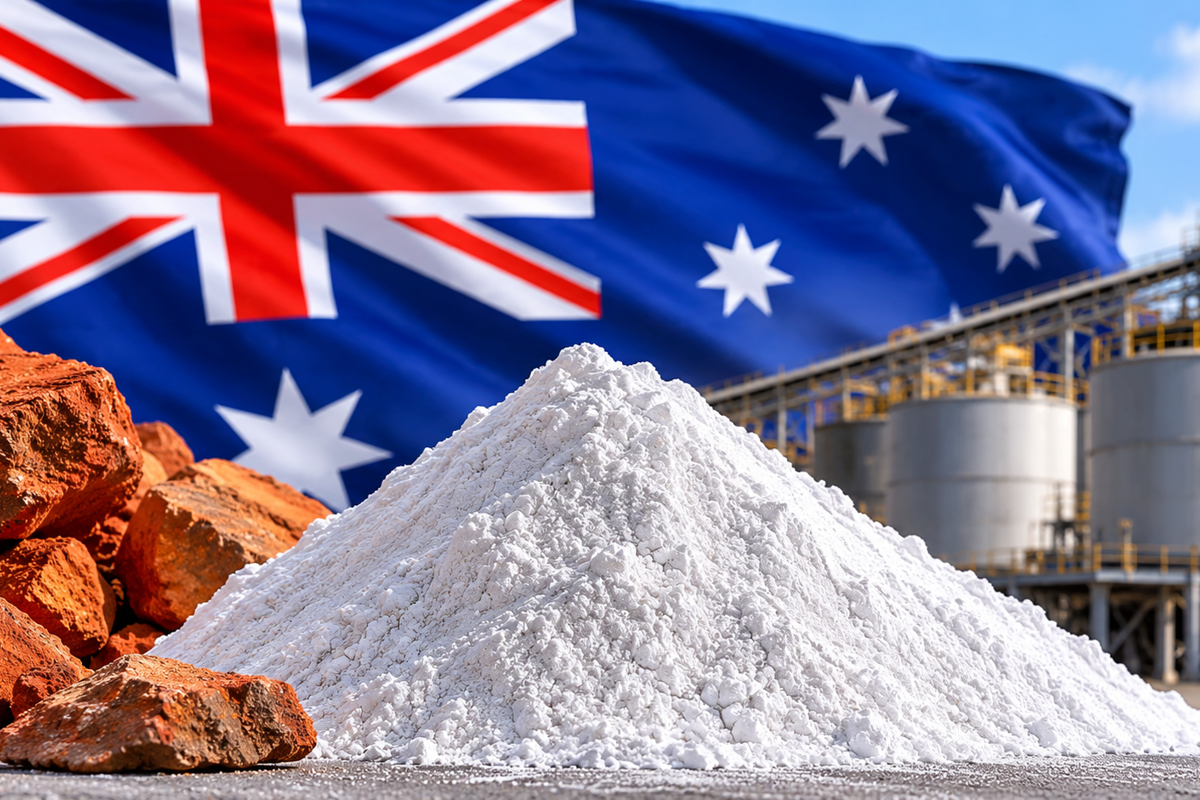
The image used in this article is generated with an AI tool and does not depict any real-time moment
German aluminium producer Trimet has proposed a series of measures to address competition concerns over Alcoa’s proposed acquisition of South32’s alumina and bauxite assets. These include the sale of integrated bauxite-mining and alumina-refining assets in Brazil or Western Australia, changes to ownership links in Alumar and MRN, and greater transparency and independent monitoring of alumina price reporting.
Trimet has also asked Brazil's competition regulator, the Administrative Council for Economic Defense (CADE), to block the deal, saying it would reduce the number of independent smelter-grade alumina suppliers in the country from three to two.
The company said the combined entity could control approximately 51.8 per cent of Brazil's merchant alumina sales, leaving Glencore with the remaining 48.2 per cent. It also estimated that Alcoa and South32 would hold a combined 52.66 per cent share of the wider Western merchant alumina market, potentially reaching 61 per cent.
To know the futuristic market and value proposition of red mud, explore the report "A Comprehensive Analysis of Bauxite Residue (Red Mud): Sustainability, Resource Recovery and Strategic Recommendations"
The proposed transaction includes South32's interests in the Alumar alumina refinery and Mineração Rio do Norte (MRN) bauxite mine in Brazil, as well as the Worsley alumina refinery in Western Australia. Alcoa's ownership of Alumar would increase to 90 per cent following the acquisition.
Trimet argued that the deal would remove South32 as an independent supplier of alumina to Brazilian smelters. It said Alcoa could redirect around 3 million tonnes of alumina currently sold by South32 to third-party customers towards its own smelters, reducing the supply available to other buyers.
It stated, "For Brazilian nonintegrated smelters — and for any project to industrialise the supply chain — the Proposed Transaction would mean relying on only two foreign suppliers, one of which accounts for more than half of the available supply."
Explore alumina and other essential inputs in the right grades from global suppliers on AL Biz.
Concerns over alumina supply and pricing
Trimet said it depends entirely on third-party suppliers for the smelter-grade alumina required by its aluminium smelters. It buys alumina from companies including Alcoa and South32 through long-term contracts and spot-market transactions linked to published price indices, particularly the Platts Alumina Index (PAX).
The company warned that reduced merchant alumina supply or higher benchmark prices could raise production costs and squeeze margins, while benefiting vertically integrated producers like Alcoa.
Concerns about Alcoa's influence over alumina pricing benchmarks were raised. It said the acquisition would give Alcoa control of 95 per cent of Western Australia's refining capacity, including Worsley, which it described as an independent source of pricing data from the port of Bunbury.
Unlock key insights from leading companies and experts across the aluminium ecosystem with our e-Magazine - Mine to Market: Aluminium Producers & Manufacturers 2026
Trimet has asked CADE to conduct an in-depth investigation rather than use its fast-track review process. It also requested that the authority calculate market shares based on alumina sold to third parties rather than total production, which includes volumes consumed internally by integrated producers.
Further requests were made to examine Rio Tinto's 10 per cent interest in Alumar and Alcoa's potential access to those volumes. It requested information on the companies' Western Australian production capacity, output, third-party sales, spot transactions and price reporting, as well as evidence supporting their claims about spare capacity and expansion projects.
Grow with
AL Circle