Alumina steady-to-soft as spot tightens, deepening losses fail to spur cuts
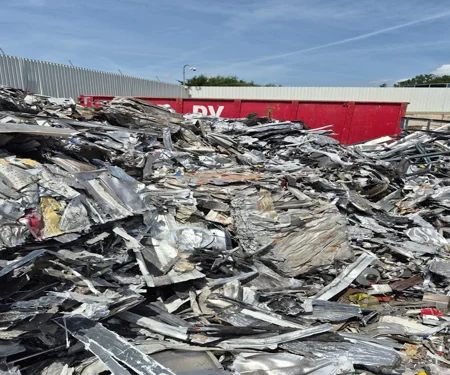
The image used in this article is generated with an AI tool and does not depict any real-time moment
Domestic spot alumina prices edged down slightly last week amid flat trading activity. Recent alumina price movements were mainly attributed to earlier concentrated restocking by downstream buyers, which has led to accumulating inventories at rail stations and smelters. Coupled with supply-side maintenance-driven output cuts that are still building, readily available spot volumes have tightened relatively. Only sporadic tender deals were heard recently, leaving prices in a temporary steady phase.
On the bauxite front, domestic ore prices saw limited movement last week. Supply-side bottlenecks are unlikely to ease in the near term, with mines prioritising captive supply, leaving little excess spot material available. For imported ore, freight rates rebounded slightly and consecutively last week, reaching around US USD 34 per tonne.
However, alumina producers believe that miners and traders had already booked vessels in bulk during the earlier low-freight period, meaning seaborne costs for upcoming shipments remain relatively low. Their bid-down sentiment remains strong, with no notable shift.
On the supply side, domestic alumina operating capacity recently stood at approximately 98.4 million tonnes per year. A large alumina refinery in North China has scheduled production-line technical upgrades, with an initial estimated impact period of around three months; the subsequent effect on output release will be tracked continuously. Heavy pollution weather has not yet caused any material disruption to producers across regions.
Separately, curtailments in Guangxi have reached approximately 2.3 million tonnes per year, primarily driven by high costs and tight domestic bauxite supply. Given the uncertain duration of the current maintenance cycle, attention should be paid to potential medium-term production declines and possible adjustments at other plants.
Last week, domestic alumina traders' inventories stood at 7.1 million tonnes, up 42,000 tonnes week-on-week. Cross-regional shipments have increased steadily, and transit times have lengthened, driving notable inventory builds in transit and at rail sidings. In addition, smelters' raw material inventories are ample, with procurement mainly on a need-based basis, keeping overall inventories on a mild upward trend.
As of last Thursday October 22, 2026, the national alumina capacity utilisation rate was 82.95 per cent, down 0.26 percentage points from the prior week. Supply-demand mismatch has suppressed alumina prices lower, while production costs have moved higher rather than declining.
Affected by high cost pressures, tight domestic bauxite supply, and periodic production-line upgrades, capacity utilisation at some alumina producers has declined recently. The likelihood of further supply-side curtailments and maintenance disruptions has increased, tightening readily available spot volumes and prompting some holders to narrow their discount quotes compared with earlier levels. Downstream buyers continue to restock selectively at lower prices.
According to Mysteel, domestic aluminium smelters consumed approximately 1.68 million tonnes of alumina last week, virtually unchanged from the prior week. Recent domestic aluminium operating capacity has held around 45.42 million tonnes per year. Downstream rigid demand for alumina remains relatively stable, but limited capacity changes provide insufficient impetus for incremental raw material demand.
Additionally, regarding year-end term-contract negotiations, the traditional model sees alumina producers adopting a "produce-to-sell" strategy: first scheduling output based on capacity and ramp-up targets, then signing high-ratio term contracts, with surplus volumes sold as spot.
Next year, the strategy is expected to shift to "sell-to-produce": first unifying external offers internally, then settling term volumes, and finally back-scheduling production plans, with flexible output applied to any capacity not covered by term contracts. For integrated producers, adjusting internal consumption ratios can enhance flexibility and risk resilience. In the near term, alumina prices are expected to remain steady to slightly soft, with a trading range of RMB 2,500–2,620 per tonne.
Note: This article has been shared by Mysteel and has been published by AL Circle with its original information without any modifications or edits to the core subject/data.
Grow with
AL Circle