Green metallurgy and cement production key to unlocking full value of red mud
Stock image for referential purposes only
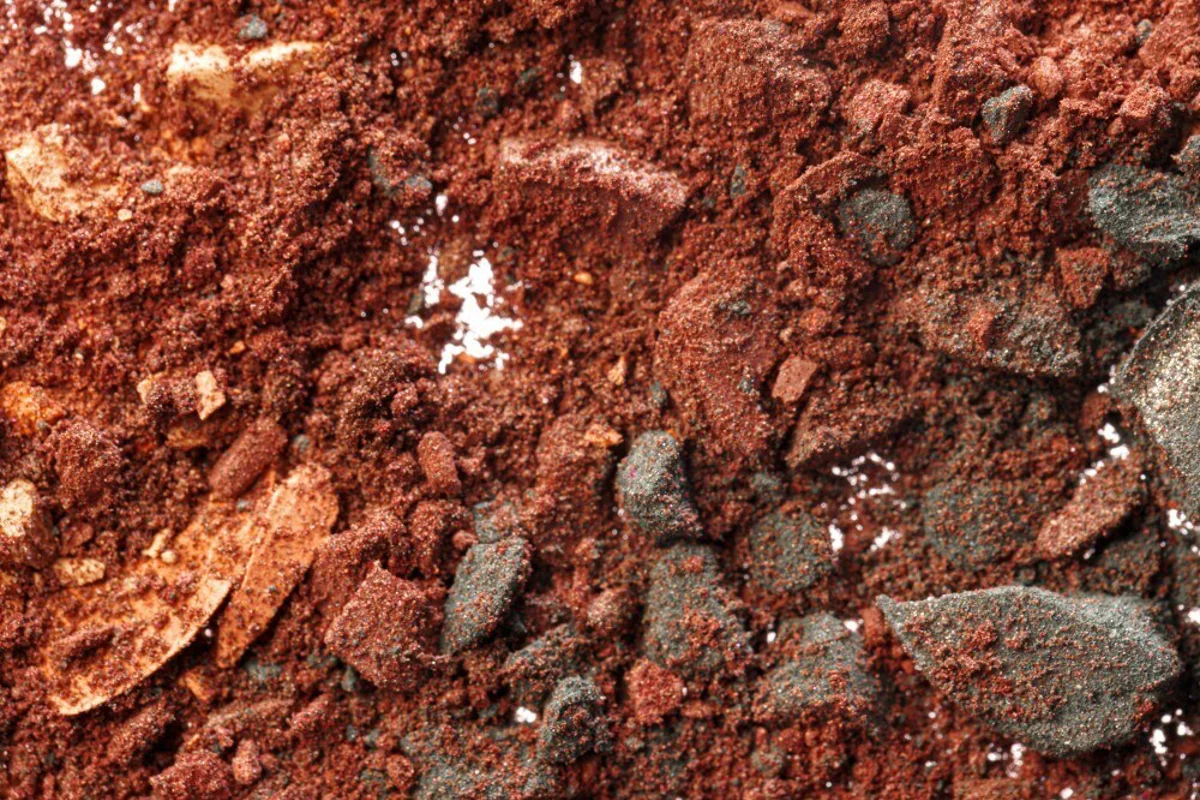
Red mud, the highly alkaline by-product generated during alumina production, could become a valuable source of iron and low-carbon construction materials if processed through an integrated recovery route, according to a new review examining advances in green metallurgy and sustainable cement technologies.
The study argues that coupling iron extraction with the production of cementitious materials offers a practical pathway for reducing waste, lowering carbon emissions and improving resource efficiency across the aluminium industry.
Aluminium industry's waste challenge continues to grow
The review notes that global red mud (RM) stockpiles have now exceeded 4 billion tonnes, with the production of every tonne of alumina generating roughly one to two tonnes of the residue.
China alone produces more than 107 million tonnes of red mud annually and has accumulated over 1.3 billion tonnes, largely concentrated in major alumina-producing provinces including Shandong, Shanxi, Henan and Guangxi.
Because of its high alkalinity, fine particle size and potential for heavy metal leaching, untreated red mud poses long-term environmental risks to soil and water systems.
Researchers, however, argue that the material should increasingly be viewed as a secondary iron resource rather than simply an industrial waste.
China's stockpile contains an estimated 520 million tonnes of high-iron red mud, with iron oxide concentrations exceeding 30 per cent, presenting an opportunity to recover valuable materials while reducing dependence on imported iron ore.
Explore: The most comprehensive and forward-looking industry-focused report – Global Bauxite & Alumina Market Forecast to 2036: Supply–Demand, Trade Flows & Price Outlook
Green iron recovery gains momentum
The review highlights growing interest in low-carbon iron recovery technologies, as conventional separation and pyrometallurgical methods remain energy-intensive or generate secondary environmental concerns.
Emerging approaches include hydrogen-based reduction, biomass reduction and hydrogen plasma technologies, all designed to lower carbon emissions while improving the recovery of iron from complex red mud minerals.
The researchers also point to advances in physical separation methods, including magnetic and gravity separation, which continue to be refined to improve the recovery of fine iron-bearing particles without relying on chemical treatments.
Tailings could become low-carbon cement ingredients
Rather than treating iron recovery as the final step, the review proposes using the remaining iron-extracted tailings as raw materials for low-carbon cementitious products.
According to the study, red mud contains reactive silica and alumina, making it suitable for use in alkali-activated binders when blended with industrial by-products such as ground granulated blast furnace slag (GGBS) and fly ash.
Replacing conventional cement with these materials could reduce emissions by approximately 850 kilograms of carbon dioxide per tonne of cement substituted.
The researchers found that removing reactive iron from red mud also improves the performance of cementitious materials. The process enhances the activity of aluminosilicate minerals, allowing 28-day compressive strength to reach around 45 MPa, while also improving the immobilisation of heavy metals within the hardened material.
Integrated approach supports circular economy goals
The review concludes that combining green iron extraction with downstream building material production offers a more effective route for full-component utilisation of red mud than treating the two processes separately.
Life Cycle Assessment (LCA) results indicate that integrating the alumina, steel and cement industries through this approach could reduce waste generation, improve resource recovery and support lower-carbon industrial production.
The researchers believe the strategy aligns with growing policy support for industrial circularity and could play an important role in helping the aluminium sector reduce its environmental footprint while creating value from one of its largest industrial waste streams.
For more in-depth insights and exclusive analysis on the global aluminium industry, explore the e-Magazine - Mine to Market: ALuminium Producers & Manufacturers 2026
Impact Minerals unlocks 12m escrow shares as Lake Hope HPA project advances
Next articleIreland’s Aughinish Alumina probe finds no Russia defence link; EU review continues
Grow with
AL Circle