Ireland’s Aughinish Alumina probe finds no Russia defence link; EU review continues
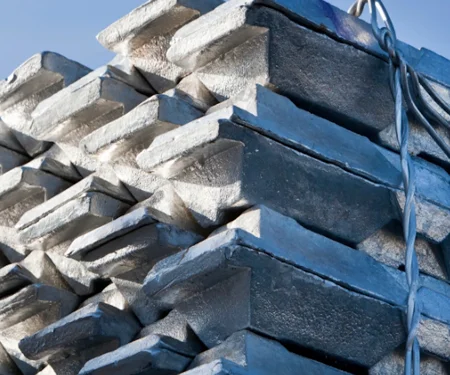
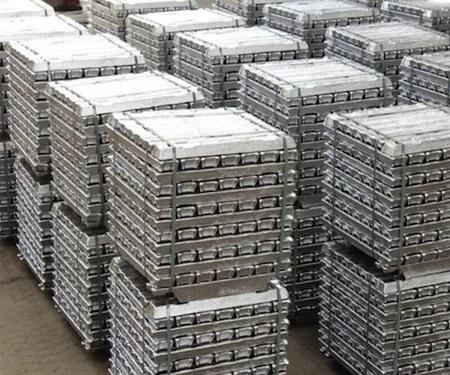
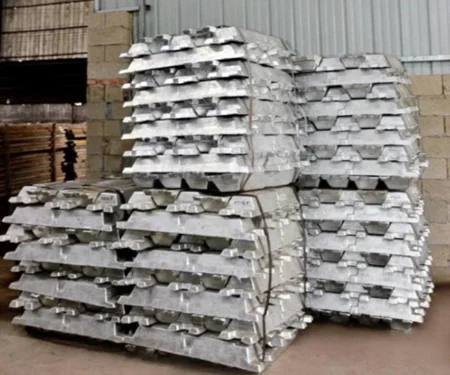
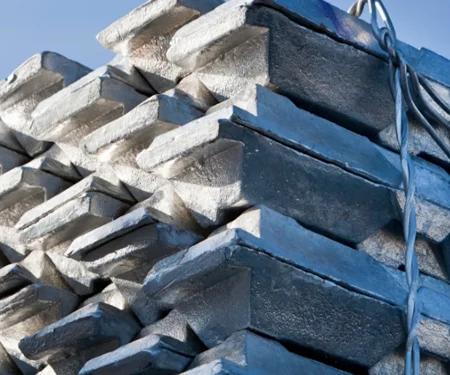
Stock image for referential purposes only
Ireland’s Aughinish Alumina is back on the news forefront as the government report based on its investigation has found no evidence that alumina produced at the refinery is being exported to feed the Russian defence sector. However, owing to complexities emerging from global supply chains, authorities could not conclusively rule out such a possibility. Therefore, the EU has not ruled out the potential of including alumina exports in the 21st Sanctions Package on Russia.
Irish Taoiseach Micheál Martin shared the findings with Ukrainian President Volodymyr Zelenskyy during a meeting in Kyiv, where the two leaders discussed concerns surrounding alumina exports to Russia.
While President Zelenskyy suggested Ireland examine whether alumina could be sanctioned under national legislation, Martin maintained that the matter requires a coordinated European response.
“This is a bit more complex given the part of the supply chain that Aughinish represents,” Martin said. “The bauxite comes from Guinea, is processed in Aughinish, then moves to France and Sweden, while a substantial amount ultimately goes to Russia,” he added.
Explore the relevance of red mud in the sustainable aluminium industry in A Comprehensive Analysis of Bauxite Residue (Red Mud): Sustainability, Resource Recovery and Strategic Recommendations
The issue emerged after an investigation was undertaken by The Irish Times and the Organised Crime and Corruption Reporting Project. It was informed that alumina shipped from the Co Limerick refinery is being used by Russian smelters to produce aluminium, which is thereafter being supplied to defence-linked manufacturers.
Ireland stresses jobs and EU supply security
Irish Minister of State Niall Collins warns that any future decision on Aughinish must balance geopolitical concerns with the economic importance of the refinery.
He stressed that it is “of paramount importance” that policymakers avoid measures that could affect Limerick’s employment base or Europe’s aluminium supply chain. The same point was raised by Ireland’s Minister of State, Seán Canney.
According to Collins, the investigation was evidence-based and involved consultations with Ukrainian authorities. However, the complete report would not be released publicly because of commercial sensitivities and legal constraints.
The findings have now been submitted to the European Commission, which will assess potential policy options.
Collins also highlighted Aughinish’s strategic role within Europe’s aluminium value chain, noting that “Alumina is categorised as a critical raw material in the EU and aluminium is not a sanctioned product.”
Explore buying & selling leads of bauxite and trade opportunities on the AL Biz platform.
Ukraine seeks tighter restrictions
Despite the investigation’s findings, Ukraine continues to push for stronger measures to prevent alumina reaching Russia.
Yaroslav Humeniuk, First Secretary for Economic Issues at the Ukrainian Embassy in Ireland, noted that Kyiv’s priority is “to find a solution... to stop this supply chain of alumina to Russia.” It remains of key essence as geopolitical tensions between Ukraine and Russia re-intensify with the latest F-16 exchanges and damaged Wildberries warehouses in Russia.
Now the issue has shifted to the European Commission, which is expected to evaluate the report while weighing the alumina supply chain security, the potential of adding it in the the 21st Sanctions Package on Russia, and the EU’s dependence on critical raw minerals.
Unlock key insights from leading companies and experts across the aluminium ecosystem with our e-Magazine - Mine to Market: ALuminium Producers & Manufacturers 2026
Green metallurgy and cement production key to unlocking full value of red mud
Next articleAluminium grabs the headlines, but the LME alumina price trend quietly rewrites margins, economics and supply risk
Grow with
AL Circle