EU targets 46% electrification by 2040, proposes $114.37b ETS overhaul
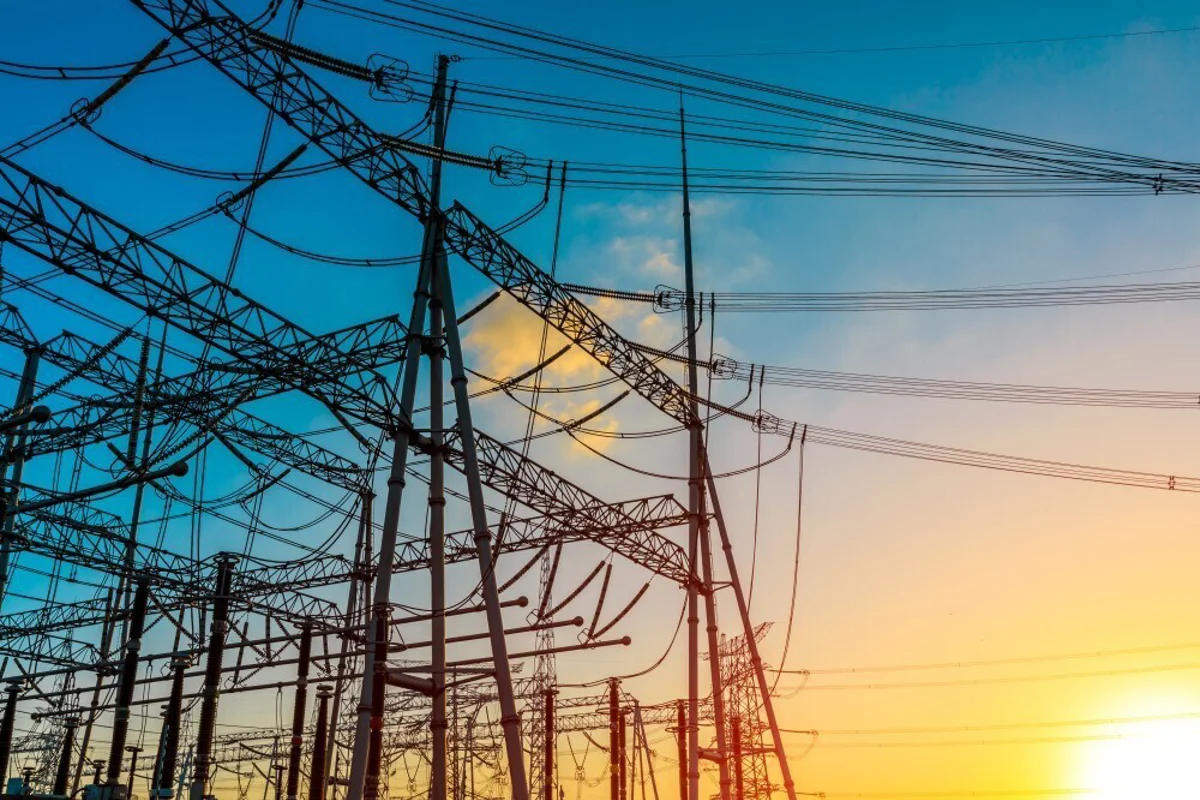
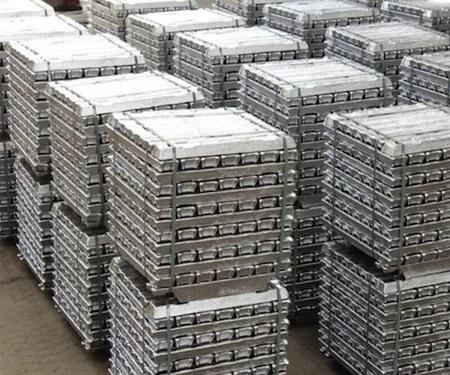
Stock image for referential purposes only
The European Commission has proposed raising the European Union's electrification rate to 46 per cent by 2040, alongside a major overhaul of the European Union Emissions Trading System (EU ETS) backed by more than USD 114.37 billion (EUR 100 billion) in industrial decarbonisation funding.
Announced on July 18, 2026, the Electrification Action Plan and the proposed review of the EU ETS are aimed at reducing dependence on imported fossil fuels, lowering electricity costs, strengthening industrial competitiveness and keeping the bloc on track to meet its climate goals.
According to the Commission, achieving the proposed electrification target could cut the European Union's annual fossil fuel import bill by around USD 297.29 billion (EUR 260 billion). The proposal will now be considered as part of the bloc's post-2030 Energy Union package.
Europe currently generates around 70 per cent of its electricity from domestically produced clean energy sources. However, the electrification of final energy demand has remained at 23 per cent over the past decade, prompting the Commission to push for faster adoption of electric technologies across industry, transport and buildings.
ETS reforms target industrial investment
The Commission has also proposed a series of reforms to the EU ETS, Europe's carbon pricing mechanism introduced in 2005.
According to the Commission, the scheme has generated more than USD 308.7 billion (EUR 270 billion) in revenues since its launch, with funds supporting innovation, industrial decarbonisation and the modernisation of Europe's energy system. It added that the ETS has helped reduce emissions by 50 per cent across the sectors covered by the programme.
The revised framework proposes reducing the Linear Reduction Factor to 3.7 per cent during 2031-2035 and 1.7 per cent during 2036-2040. It also allows the use of up to 2 per cent of high-quality international carbon credits between 2036 and 2040 to finance decarbonisation projects outside Europe.
For more in-depth insights and exclusive analysis on the global aluminium industry, explore the e-Magazine - Sustainability & Recycling: Aluminium's Dual Commitment
A key proposal is the creation of an Industrial Decarbonisation Bank backed by more than USD 114.37 billion, while an ETS Investment Booster will serve as the first phase of the initiative before 2030.
The Commission also proposed that Member States allocate 50 per cent of their national ETS revenues towards investments in sectors covered by the scheme, representing more than USD 114.37 billion before 2030.
Other proposed changes include extending free emissions allowances beyond 2030 while linking them more closely to industrial decarbonisation investments, integrating permanent carbon removals into the ETS, reforming the Market Stability Reserve, strengthening the ETS for aviation and maritime transport, and extending the system to waste incineration.
In addition, the Commission plans to increase free allocations to industry worth around USD 6.86 billion (EUR 6 billion) between 2026 and 2030. For sectors covered under the Carbon Border Adjustment Mechanism (CBAM), the phase-out of free allocations would be slowed and extended until 2038.
Electrification plan focuses on lowering costs
The Electrification Action Plan also introduces measures to lower electricity costs and accelerate the uptake of electric technologies.
According to the Commission, battery electric vehicles can reduce operating costs by up to 78 per cent compared with equivalent fossil fuel vehicles, while replacing gas boilers with heat pumps can lower average household heating bills by up to 60 per cent.
To encourage wider electrification, the Commission proposed allowing Member States to reduce network charges for selected consumer groups, lower taxes for energy-intensive industries and accelerate the deployment of smart meters. Additional financial support would be available through the ETS, the Social Climate Fund, the proposed Clean Heat Market and the Industrial Decarbonisation Bank.
The Commission also called for faster electricity grid expansion, greater investment in clean energy manufacturing, stronger supply chains and workforce development. It said the proposals would support Europe's transition towards becoming the world's first "electro continent" while improving energy security, industrial competitiveness and long-term decarbonisation.
Explore: The most comprehensive and forward-looking industry-focused report – Global Bauxite & Alumina Market Forecast to 2036: Supply–Demand, Trade Flows & Price Outlook
Is aluminium's carbon footprint becoming packaging's next competitive advantage?
Next articleCapral backs low-carbon aluminium transparency with verified EPDs for LocAl range
Grow with
AL Circle