CMI targets 70% US aluminum can recycling by 2030 as MRF losses come under focus
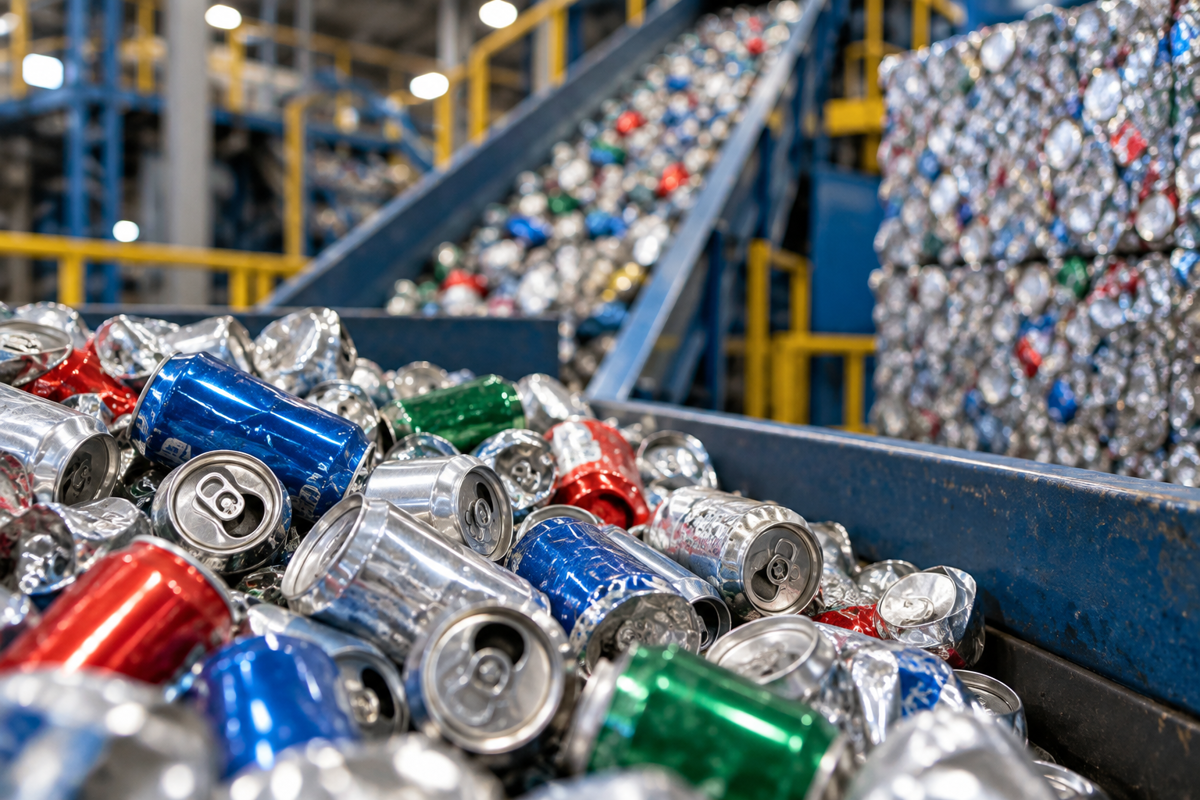
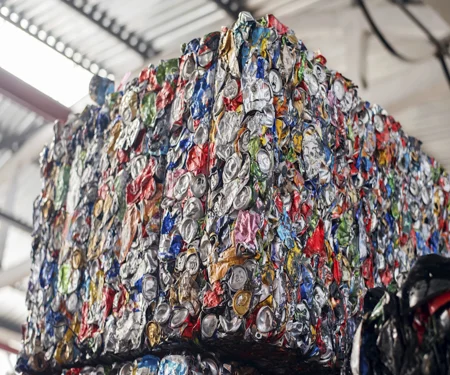
The image used in this article is generated with an AI tool and does not depict any real-time moment
The US aluminum beverage can industry is stepping up efforts to recover more used cans as it works toward a 70% aluminum can recycling rate by 2030. The latest push is focusing on a critical weakness in the recycling chain: cans that enter the system but are lost during collection and sorting.
The Can Manufacturers Institute (CMI) is pursuing a combination of improved material recovery facility (MRF) sorting, stronger collection systems, deposit return programs, extended producer responsibility (EPR) schemes and consumer education to increase the amount of aluminum flowing back into the domestic recycling system.
Roxanne Sharif, CMI’s director of sustainability, outlined the industry’s priorities during Climate Week NYC, where representatives from across the aluminum supply chain discussed ways to improve beverage can collection and keep more material in circulation.
CMI participated alongside the Aluminum Association, International Aluminium Institute and other members of the Global Beverage Can Circularity Alliance. The program included visits to MRFs in New Jersey and Westchester County, offering a closer look at the stage where aluminum cans are separated from household recycling streams.
US aluminum can recycling rate remains a challenge
The industry's 70% target comes against a backdrop of a US recycling system that has struggled to improve its aluminum beverage can recovery rate.
The latest industry data available showed that only 43% of aluminum beverage cans shipped in the US in 2023 were ultimately recycled, compared with an average of about 52% since tracking began in 1990. The 2023 rate represented one of the lowest levels recorded in recent decades.
This gap makes recovery from existing recycling streams particularly important. CMI's recent efforts are therefore targeting not only consumer participation but also the losses that occur after cans have already entered the recycling system.
To learn the future of aluminium in the packaging industry, explore our report "ALuminium in Packaging: Consumer Trends and Market Dynamics"
Up to 25% of cans can be lost during MRF sorting
One of CMI's priorities is reducing the number of used beverage cans lost during sorting at MRFs.
Previous research commissioned by the organization found that as many as 25% of used beverage cans entering a typical MRF can be missorted into other material streams or residue.
That creates a direct opportunity for the industry: improving sorting efficiency could recover cans that are already entering the recycling system without necessarily requiring a proportional increase in collection volumes.
CMI has responded by working with canmakers Ardagh Metal Packaging and Crown Holdings to fund additional can-capture equipment at recycling facilities.
The program has evolved from direct grants into financing arrangements, under which equipment can be paid for using a share of the additional revenue generated from recovered aluminum.
At First Star Recycling in Omaha, Nebraska, equipment installed under the program is expected to recover more than 3 million beverage cans annually that would otherwise have been missorted.
Earlier projects supported by CMI and its partners are estimated to be recovering tens of millions of additional cans each year.
Deposit return systems emerge as another lever
CMI's strategy extends beyond MRF technology. The organization is also calling for wider use of deposit return systems (DRS) and extended producer responsibility schemes.
The association argues that combining the two approaches can increase both the quantity and quality of recovered beverage packaging.
CMI estimates that a US deposit system achieving a 90% redemption rate could result in an additional 67 billion aluminum cans being collected and recycled each year. That would represent approximately 813,000 tonnes of aluminum.
The potential scale of additional recovery is significant when viewed against the industry's 70% recycling target. Deposit systems can also create a more direct financial incentive for consumers to return beverage containers, while EPR programs can provide another mechanism for funding and improving recycling infrastructure.
The industry's support for these measures is not new. CMI has previously identified container deposit systems, improved household and public recycling access, better MRF sorting and greater consumer awareness as key components of its roadmap toward higher aluminum beverage can recycling rates.
Explore AL Circle’s B2B Marketplace to discover aluminium packaging products, aluminium cans, beverage cans, foil packaging, flexible packaging, food packaging, pharma packaging.
Consumer recycling remains part of the equation
Infrastructure and policy changes alone will not determine how much aluminum is recovered.
CMI is also working on consumer recycling programs and improved recycling messaging as it seeks to increase the supply of used beverage cans available to the domestic aluminum industry.
This includes addressing recycling behavior beyond the household environment. The industry has previously supported initiatives aimed at capturing beverage cans consumed away from home, including collection efforts at major public events.
The broader objective is to ensure that more cans reach the recycling system in the first place and remain within it through the sorting and processing stages.
A race to close the recycling gap
CMI's latest initiatives highlight three distinct points where aluminum beverage cans can be recovered or lost: collection, sorting and consumer participation.
The challenge is particularly clear when the industry's 70% target is compared with the latest reported 43% US recycling rate. Closing that gap will require more cans to enter collection systems, fewer cans to be lost at MRFs and greater participation in recycling programs.
CMI appointed Roxanne Sharif as director of sustainability in February. She previously held sustainability roles at Colgate-Palmolive and joins the association as it works toward its 70% recycling target for 2030.
With four years remaining until the target year, the industry's strategy is increasingly centered on recovering more of the aluminum that is already in circulation — from improved MRF equipment and deposit systems to stronger consumer recycling programs.
Unlock key insights from industry experts on aluminium's applications in end-use with our magazine - End-user Revolution: Aluminium’s Impact on Modern Living
Hydro highlights need for stronger aluminium scrap safeguards under EU waste rules
Next articleAL Circle Analysis: Europe’s aluminium scrap curbs, India’s risk and US’s supply opportunity
Grow with
AL Circle