AL Circle Analysis: US scrap imports hit 580kt as China slips 3.2%, who drives aluminium recycling?

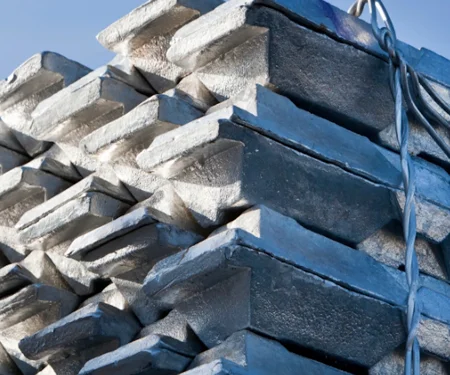
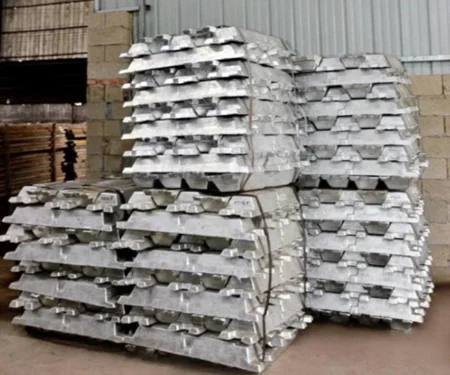
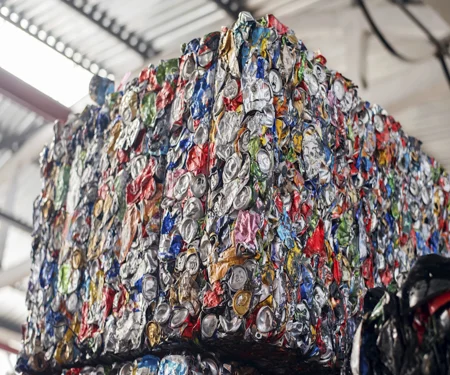
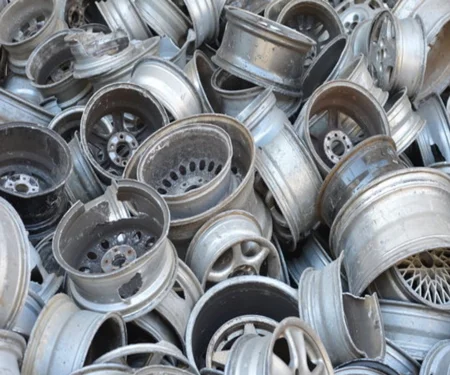
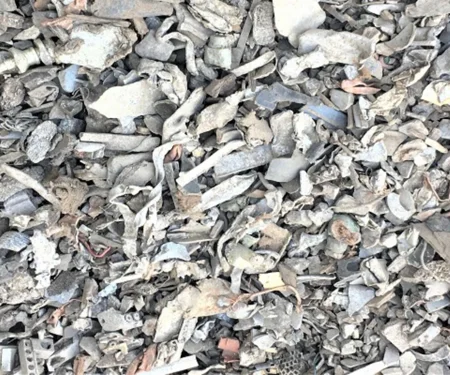
The image used in this article is generated with an AI tool and does not depict any real-time moment
Aluminium scrap is no longer a side story in the metal’s market. Rather, aluminium’s next standoff is over scrap. As US imports surge 37 per cent while China’s purchases decline, manufacturers in Europe and India are confronting a common challenge of securing affordable, reliable raw materials. With recycling rates, trade barriers and low-carbon production reshaping market, the global industry faces a critical question: who will control the metal that powers its circular future?
Join the fourth edition of the webinar "Hedging for recyclers - Become an expert in 6 hours" by Jorge Dyszel.
A 1.1-billion-tonne stockpile: US stocks up, China steps back, India asks for access
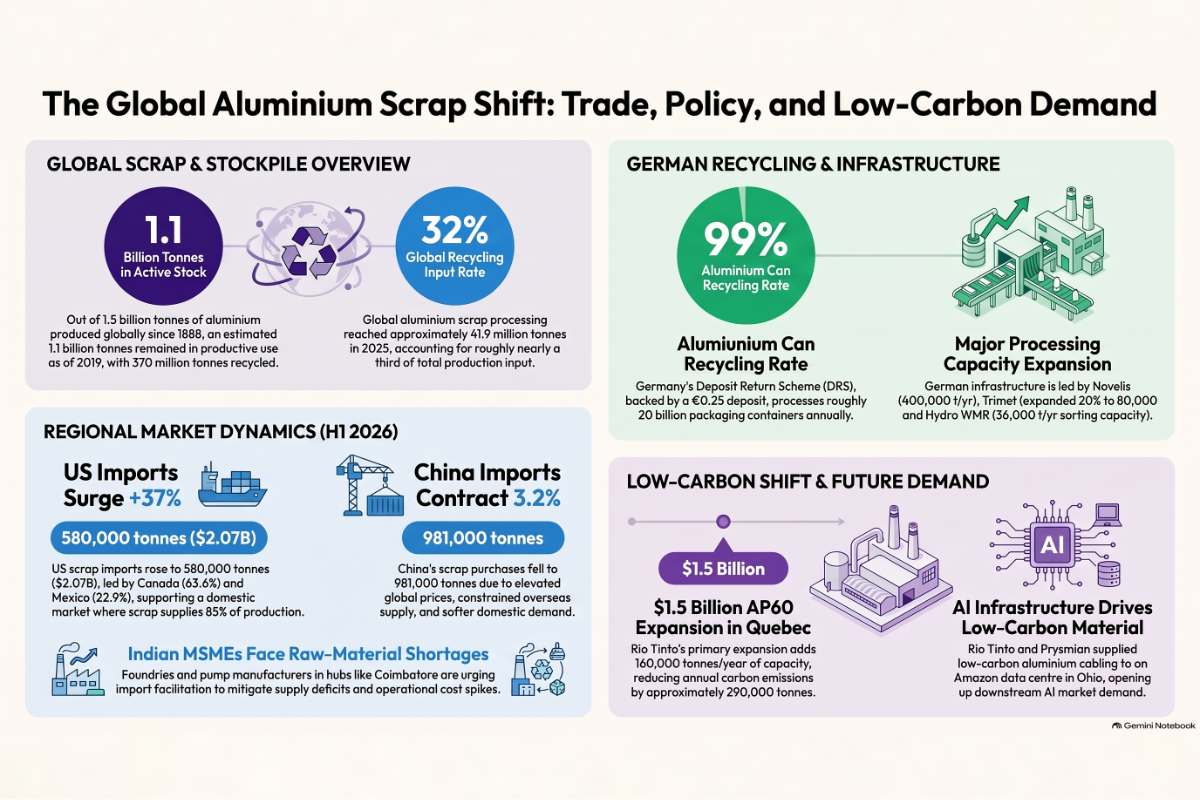
The US imported 580,000 tonnes of aluminium scrap worth USD 2.07 billion in H1 2026, with Canada accounting for 63.62 per cent of shipments and Mexico contributing another 22.93 per cent. The scale of these imports reflects the importance of secondary aluminium to US production, where scrap reportedly supplies 85 per cent of domestic aluminium output.
China presented a contrasting picture. Its aluminium scrap imports declined 3.2 per cent year-on-year to 981,000 tonnes in H1 2026, although volumes remained 3.6 per cent above the same period in 2024. Higher prices, tighter overseas supply and weaker demand constrained purchasing. The divergence suggests that scrap availability is increasingly shaped by regional demand, sourcing relationships and price conditions rather than by recycling ambitions alone.
In India, the pressure is more visible at the manufacturing level. Coimbatore-based MSMEs and industry associations have urged the government to facilitate aluminium and copper scrap imports, citing raw-material shortages, price volatility and rising operating costs. For foundries, engineering businesses, pump manufacturers and other smaller producers, access to competitively priced scrap can directly affect production continuity and market competitiveness.
The longer-term numbers show the bigger picture. Of approximately 1.5 billion tonnes of aluminium produced since 1888, an estimated 1.1 billion tonnes remained in productive use in the 2019 assessment. Around 370 million tonnes of that stock had been recycled and reused. Meanwhile, global aluminium scrap processing reached approximately 41.9 million tonnes in 2025, with a recycling input rate of about 32 per cent.
Key takeaways
- The US: Scrap imports rose 36.79 per cent year-on-year to 580,000 tonnes in H1 2026; Canada supplied nearly two-thirds.
- China: Imports fell 3.2 per cent to 981,000 tonnes, illustrating the impact of pricing and supply constraints.
- Global recycling: The 41.9 million tonnes processed in 2025 represented a recycling input rate of around 32 per cent.
- India: Easier scrap access could help MSMEs manage raw-material pressure, although import facilitation alone cannot guarantee lower prices.
To explore trade opportunities of aluminium scrap, visit AL Biz
Germany’s scrap push: Recycling, industry and competitiveness collide
The growing importance of scrap is also bringing collection systems and industrial policy into sharper focus.
Germany’s Deposit Return Scheme (DRS), supported by a EUR 0.25 (USD 0.28) deposit on eligible single-use beverage containers, encourages consumers to return packaging through organised collection channels. The system handles around 20 billion containers annually, according to the supplied DPG material. This, along with Germany’s recycling infrastructure, helped the country achieve a 99 per cent aluminium beverage can recycling rate.
Germany’s recycling infrastructure adds an industrial dimension. Novelis’ Nachterstedt facility processes 400,000 TPA of aluminium scrap, Hydro’s WMR Recycling GmbH sorts 36,000 TPA and Trimet Aluminium SE’s Gelsenkirchen recycling facility expansion added 80,000 tonnes of recycled aluminium.
At the same time, in Düsseldorf, IG Metall and IGBCE have called for stronger action as the country’s aluminium industry faces high energy costs, trade conflicts and pressure on competitiveness. Their message links scrap availability with investment conditions, industrial employment and the need for a stronger circular economy.
Key takeaways
- 99% aluminium can recycling: Germany’s Deposit Return Scheme, backed by a EUR 0.25 deposit, supports the return of around 20 billion containers annually.
- 400,000 tonnes of scrap processing capacity: Novelis’ Nachterstedt facility leads Germany’s recycling infrastructure, alongside Trimet’s expanded 80,000-tonne capacity and WMR’s 36,000-tonne annual sorting capacity.
- Scrap becomes an industrial policy priority: German trade unions are linking reliable scrap supplies with energy costs, investment, trade pressures, skilled workers and industrial jobs.
- Six issues converge in Düsseldorf: Energy, investment, trade, scrap, skills and jobs are increasingly interconnected in debates over the competitiveness of Germany’s aluminium industry.
Showcase your brand, aluminium recycling initiatives and sustainability vision in our upcoming magazine: Sustainability & Recycling: Aluminium’s Commitment 2026.
Europe, the WTO and low-carbon capital set the next rules
Policy is catching up. In Europe, FACE welcomed the Porto Marghera stockpiling plan and scrap export monitoring, but called for a more coherent supply strategy. “The availability of [aluminium] in stable, sufficient and competitive quantities is essential to safeguarding production, employment and companies’ investment capacity,” noted Mario Conserva, Secretary General of FACE.
The rulebook itself is being tested. A WTO panel was formed on 25 September in Russia’s conflict with the EU over CBAM, which began in May 2025 and also touches parts of the Emissions Trading Scheme. If the EU successfully defends it, countries gain room to pursue unilateral border adjustments, which could push low-carbon aluminium production and trade shields for scrap.
Capital is already moving. Rio Tinto’s USD 1.5 billion AP60 expansion in Quebec puts it at the centre of a market where low-carbon primary aluminium leads and near-zero and ultra-low-carbon grades grow fastest. In September 2026, Rio Tinto and Prysmian supplied low-carbon aluminium cables to an Amazon data centre in Ohio, opening a downstream use in AI infrastructure.
Trading aluminium across borders? Find out the exact cost you need to bear for the embedded carbon in the product by using this CBAM calculator.
Key takeaways
- USD 1.5 billion investment: Rio Tinto’s AP60 expansion in Quebec will add 160,000 tonnes per year of primary aluminium capacity and is expected to cut emissions by around 290,000 tonnes annually versus older Arvida technology.
- Scrap security moves up the policy agenda: Europe is considering stockpiling and export monitoring, while Indian MSMEs seek easier scrap imports, highlighting the growing importance of reliable feedstock.
- CBAM faces WTO: Scrutinising Russia’s dispute with the EU could influence how climate-related border measures are interpreted, although the outcome remains uncertain.
- Low-carbon aluminium finds new markets: Rio Tinto and Prysmian’s low-carbon aluminium cable supply for an Amazon data centre in Ohio points to emerging demand from AI infrastructure.

Grow with
AL Circle