Russia takes EU’s CBAM to WTO: 5 key questions for global climate, aluminium trade
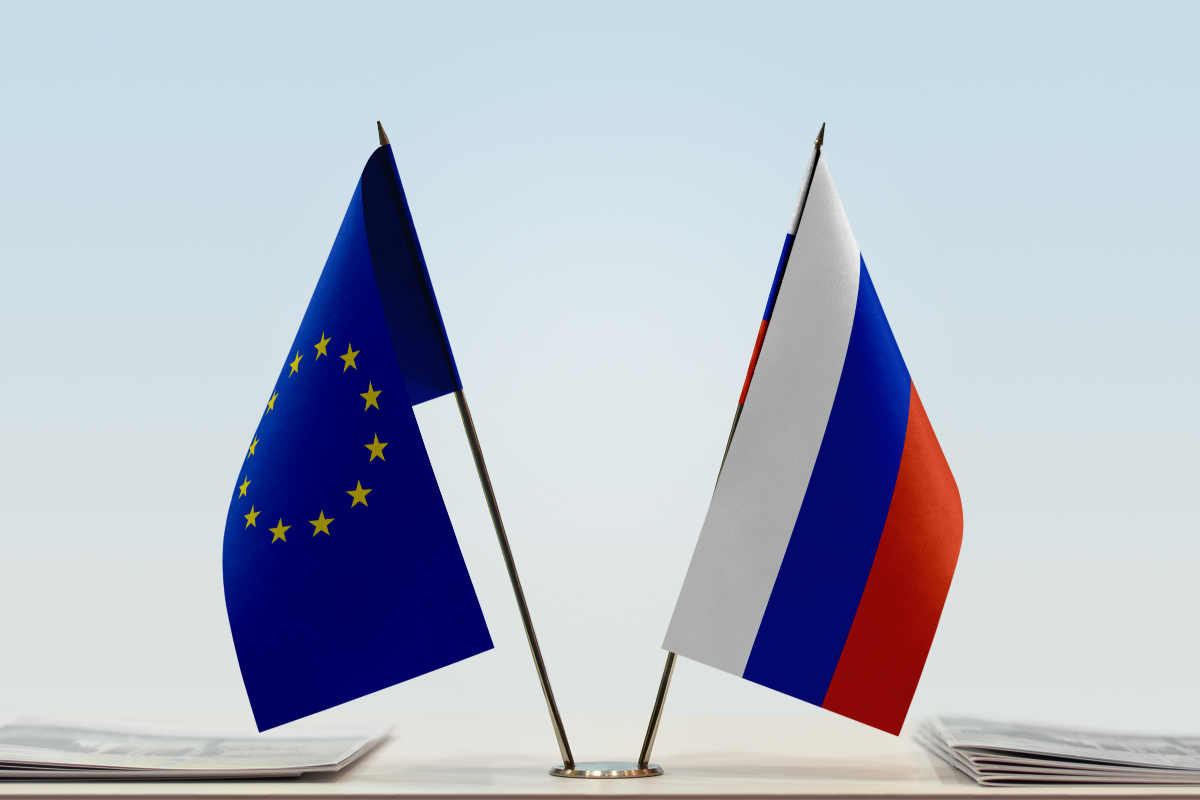
Stock image for referential purposes only
The European Union’s (EU’s) Carbon Border Adjustment Mechanism (CBAM) has entered a new phase of scrutiny. In light of the conflict between Russia and the EU, a new World Trade Organisation (WTO) panel was formed on September 25.
The debate, initiated in May 2025, puts both the design and implementation of CBAM and aspects of the EU Emissions Trading Scheme (ETS) under the WTO lens, with implications extending beyond the EU-Russia conflict and possibly entering the aluminium trade boundaries.
Join the fourth edition of the webinar "Hedging for recyclers - Become an expert in 6 hours" by Jorge Dyszel.
Why is Russia challenging the EU-ETS?
Russia has challenged the EU’s Emissions Trading Scheme (ETS) over the allocation of free emissions allowances to sectors considered vulnerable to carbon leakage. Under the existing system, eligibility is assessed using a carbon leakage indicator that combines trade intensity and emissions intensity.
Russia argues that because the criteria for free allocation take a sector’s exports into account, the benefit could amount to a prohibited export subsidy under the WTO’s Agreement on Subsidies and Countervailing Measures (SCM). The panel will have to consider whether free allocation constitutes a subsidy and, if so, whether the conditions attached to it make the benefit contingent on export performance.
What are the objections to CBAM?
Russia has also raised several WTO-related objections to CBAM. It argues that CBAM certificates and requirements for calculating embedded emissions could result in different treatment of products based on their origin, raising questions under the WTO’s Most-Favoured Nation (MFN) principle.
Another challenge concerns the cost of CBAM certificates. Russia contends that the obligation to purchase them could amount to an additional charge on imports above the tariff commitments notified by the EU under the WTO.
The debate further raises concerns under Article XI, with Russia arguing that requirements covering authorised CBAM declarants, emissions monitoring, reporting and registration could constitute prohibited non-tariff restrictions rather than permissible tariff measures.
Looking for secondary aluminium? Explore a wide range of aluminium scrap and recycled aluminium products from global suppliers on AL Biz.
Why does the WTO case matter beyond Russia and the EU?
The case, potentially having broader implications, has attracted wider attention because several WTO members, including India, have joined the proceedings as third parties. Countries that are themselves considering or developing carbon border rules also have a stake in how the WTO addresses the relationship between climate policy and trade rules.
At the centre of the broader debate lies the principle of Common but Differentiated Responsibilities and Respective Capabilities (CBDR-RC), which is an essential component of the multilateral climate regime. However, the principle does not form part of the WTO’s covered agreements, thereby forming a gap between the climate and trade frameworks.
The EU, which had initially been hesitant, has agreed to the panel’s establishment while reaffirming its commitment to the multilateral trading system.
What could the WTO ruling mean for CBAM?
The proceedings are still at an early stage, and the eventual findings may face limits in enforceability because the WTO’s Appellate Body is not fully functioning. Even so, the dispute could offer greater clarity on how far WTO rules accommodate unilateral climate-related border measures.
If the panel finds CBAM or aspects of the EU ETS inconsistent with WTO obligations, the outcome could influence the design of similar carbon border measures elsewhere. If the EU successfully defends its policies, it could instead strengthen the scope for countries to pursue unilateral border adjustments as part of their climate strategies, thereby pushing the production of low carbon aluminium as well as propagating trade shields for aluminium scrap.
Showcase your brand, aluminium recycling initiatives and sustainability vision in our upcoming magazine: Sustainability & Recycling: Aluminium’s Commitment 2026.
What could the WTO scrutiny mean for aluminium?
The WTO challenge could add another layer of scrutiny to Europe’s efforts to protect and decarbonise its domestic aluminium production base. The European Commission began monitoring aluminium scrap flows in July 2025 after identifying declining scrap availability and “scrap leakage” to third countries as challenges for EU recycling. The EU’s revised Waste Shipment Regulation is also designed to improve traceability and facilitate the circulation of waste and secondary raw materials within the bloc.
From May 2027, exports of non-hazardous waste to non-OECD countries will generally face tighter restrictions unless importing countries meet specified conditions.
European Aluminium has argued that securing adequate, competitively priced scrap within Europe is essential for maintaining a resilient, low-carbon aluminium value chain, while the Commission has indicated that targeted measures on aluminium scrap are aimed at ensuring European smelters and recyclers retain sufficient feedstock.
Against this backdrop, the WTO ruling could matter beyond the immediate EU-Russia debate. It may help define how much room governments have to combine climate policy, carbon-border measures and resource-security measures without conflicting with global aluminium trade rules.
IG Metall and IGBCE call for stronger action as Germany’s aluminium industry faces energy and trade pressures
Next article$1.5b Quebec AP60 expansion puts Rio Tinto at heart of low-carbon aluminum race
Grow with
AL Circle