ALUMINIUM 2026: Hydro invests to strengthen resilience across the aluminium value chain
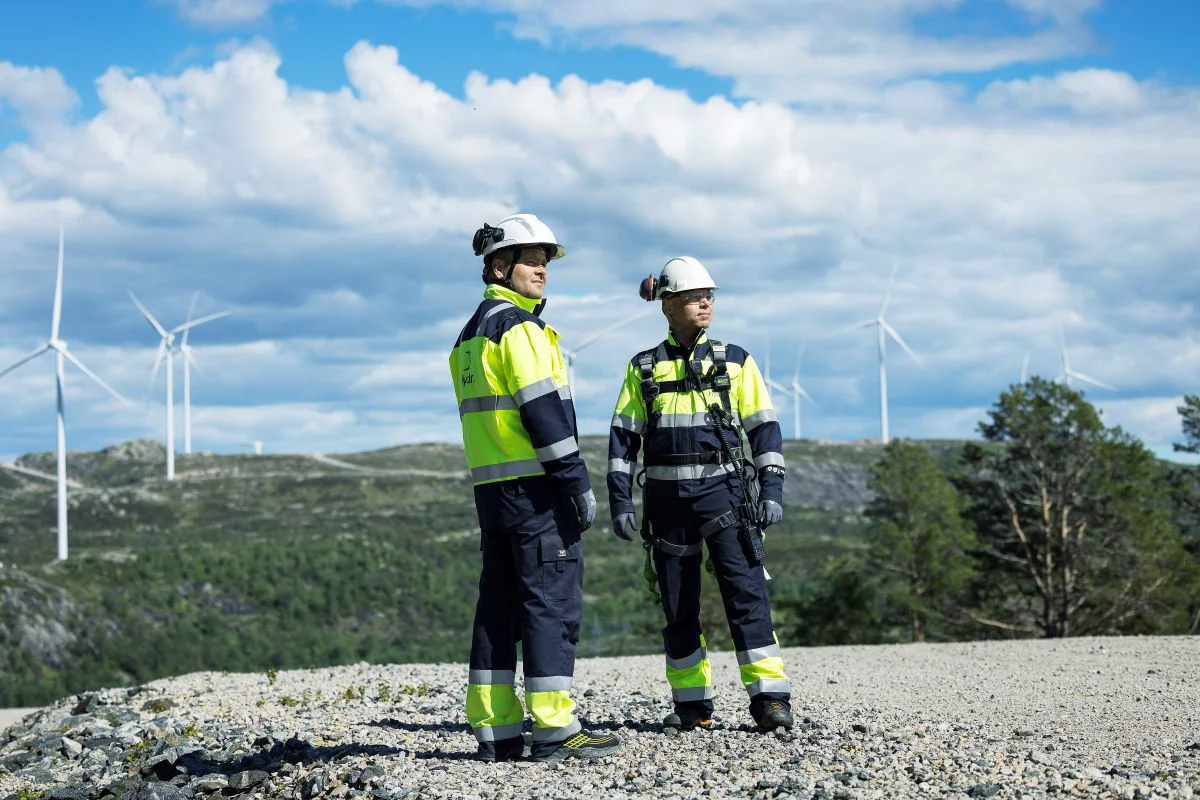
This image has been obtained via Hydro's official media kit
Since ALUMINIUM 2024, Hydro has entered several long-term renewable power agreements, invested in new production and recycling capacity in Europe, entered new partnerships with brands like Mercedes-Benz and CHANEL Fragrance and Beauty as well as customer agreements covering close to 360,000 tonnes of low-carbon aluminium for Europe’s electricity infrastructure.
The aluminium products from Hydro are critical to energy infrastructure, mobility, and building and construction as they contribute to future proofing customers. Value chain transparency, documentation, low-carbon and recycled content, and the way Hydro works with customers to deliver circular solutions demonstrates how aluminium is part of the solution.
The commitments come as aluminium is increasingly recognised as a critical raw material and Europe seeks to reduce vulnerabilities in strategic industrial value chains. Combined, the investments strengthen Hydro’s ability to supply responsibly produced aluminium through changing energy, market and geopolitical conditions.
“Disruptions in global supply chains over the past years underline how critical reliable access to aluminium is for Europe. As Europe’s largest primary aluminium producer, Hydro plays a key role in securing our customer’s access to renewable based, low-carbon aluminium from a transparent value chain. We continue to invest in production, in recycling and in renewable energy to provide our customers with this critical material,” says Eivind Kallevik, President and CEO of Hydro.
Join the fourth edition of the webinar "Hedging for recyclers - Become an expert in 6 hours" by Jorge Dyszel.
Securing renewable power for aluminium production
Competitive renewable power is fundamental to Hydro’s ability to produce and supply low-carbon aluminium to European customers. To reinforce this position, Hydro has entered into new long-term renewable power agreements for its Norwegian aluminium operations since ALUMINIUM 2024. The agreements provide increased predictability for stable, low-carbon aluminium production.
Hydro is also investing NOK 1.2 billion in the Illvatn pumped-storage power plant, its largest hydropower development in more than 20 years. The project will increase flexibility in Hydro’s renewable power production portfolio and make better use of water resources.
At the same time, continued development of renewable power production and grid capacity is needed to maintain competitive industrial production, enable electrification and support new industrial activity. Hydro is therefore pursuing opportunities to develop additional renewable energy production alongside its long-term power sourcing.
“Long-term contracts, investments in existing hydropower plants and the development of new renewable generation are complementary measures. Together, they can provide greater predictability for industry while contributing to a stronger and more flexible power system,” says Kallevik.
Expanding supply for Europe’s electricity infrastructure
Europe’s electrification ambitions depend not only on expanding renewable power generation, but also on building and modernising the infrastructure required to transport electricity. Hydro is investing NOK 1.65 billion in a new wire rod casthouse at its Karmøy aluminium plant in Norway. The investment will add 110,000 tonnes of annual capacity for low-carbon aluminium wire rod used in power cables.
Hydro has entered an agreement to supply up to 274,000 tonnes of aluminium wire rod to NKT through 2033, and approximately 85,000 tonnes to Nexans between 2026 and 2030. Together, the agreements cover close to 360,000 tonnes of aluminium for European power transmission and distribution infrastructure.
“By linking new industrial capacity with long-term customer commitments, Hydro is supporting more predictable access to a critical material for Europe’s electricity grid,” says Kallevik.
Keeping more aluminium in circulation, returning it to new products
Hydro reached a capacity of around 850,000 tonnes of annual post-consumer aluminium scrap recycling by the end of 2025, and is investing EUR 180 million in a new recycling plant in Torija, Spain.
The facility in Torija will have an annual production capacity of 120,000 tonnes and will be able to process up to 70,000 tonnes of post-consumer aluminium scrap. Hydro has also integrated Alumetal’s four plants in Poland and Hungary into its European recycling network, adding 280,000 tonnes of annual capacity for recycled foundry alloys.
Hydro is additionally working with customers and partners to return end-of-life aluminium to new products. The expanded partnership with Mercedes-Benz includes the introduction of Hydro CIRCAL recycled aluminium containing at least 75 per cent post-consumer scrap into series production for the next generation of Mercedes-Benz’ large electric vehicles in Europe.
Showcase your brand, aluminium recycling initiatives and sustainability vision in our upcoming magazine: Sustainability & Recycling: Aluminium’s Commitment 2026.
In the Train2Train pilot led by Siemens Mobility, aluminium recovered from decommissioned trains will be recycled at Hydro’s facility in Ghlin, Belgium, and processed into new extrusion billets to produce rail components at Hydro’s extrusion facility in Harderwijk, the Netherlands.
In Norway, aluminium from the existing façade of an office building in Oslo is being recovered, recycled through Hydro’s European network, demonstrating how façade aluminium can remain in circulation through full material traceability.
“These partnerships and projects demonstrate how recycling, traceability, and manufacturing can keep aluminium in circulation across European value chains. Collecting, recycling, and reusing more aluminium in Europe reduces emissions, preserves valuable resources, and gives customers access to products with documented origin and recycled content,” says Kallevik.
Restoring competitive aluminium production
In July 2026, Hydro’s joint venture Slovalco announced an agreement with the Slovak government enabling the restart of 75,000 tonnes of curtailed primary aluminium capacity. Slovalco plans to invest EUR 100 million in the restart.
Primary production at the plant was curtailed in 2022 amid high European energy prices. The restart comes as European production has declined and the region has become increasingly dependent on imported aluminium.
“Europe has the industrial expertise and market demand needed to build competitive aluminium value chains. What we need is the long-term political commitment and predictable framework conditions that make investment possible. Hydro continues to invest because we see a future for European industry, with lower emissions, more recycling and a secure supply of reliable aluminium for our customers,” says Kallevik.
Hydro will present its investments and customer solutions at ALUMINIUM 2026 in Düsseldorf from October 6 to 8 under the theme “Future-proofing industries.”
Note: This article has been shared by Hydro and has been published by AL Circle with its original information without any modifications or edits to the core subject/data.
Hydro’s Alunorte gas disruption could cost $210m across Q3 and Q4
Next articleIG Metall and IGBCE call for stronger action as Germany’s aluminium industry faces energy and trade pressures
Grow with
AL Circle