IG Metall and IGBCE call for stronger action as Germany’s aluminium industry faces energy and trade pressures
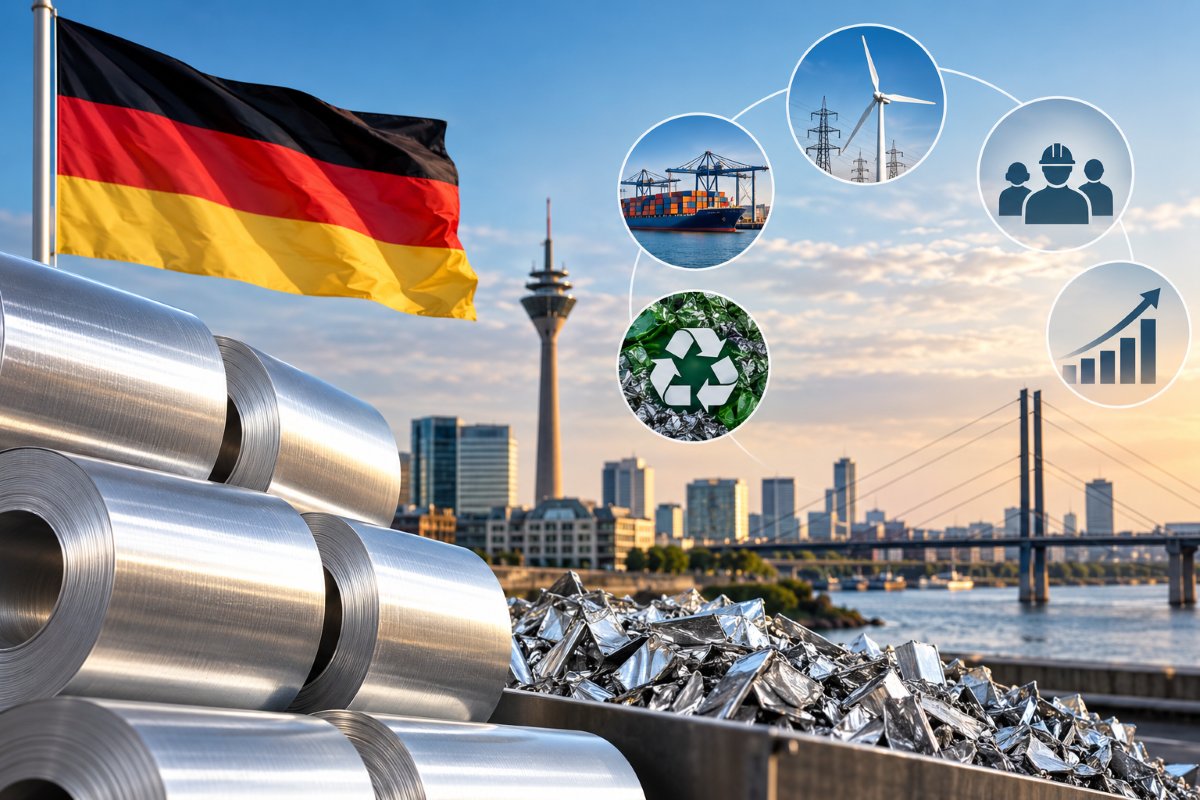
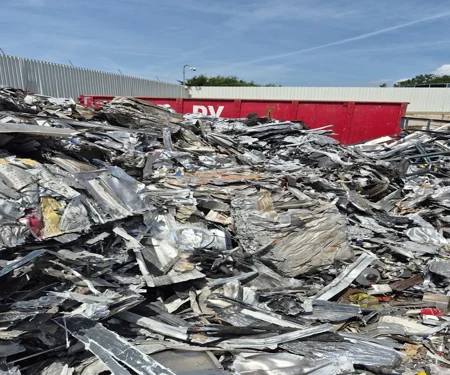
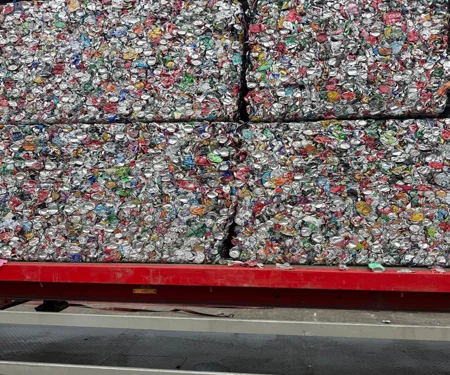
The image used in this article is generated with an AI tool and does not depict any real-time moment
Germany’s aluminium industry is facing growing pressure from energy costs, international trade conflicts, industrial competitiveness and the need for skilled workers as the country works to strengthen its industrial base and accelerate the economic transformation. These challenges came into focus at an Aluminium industry conference hosted by IG Metall and IGBCE in Düsseldorf today, bringing together policymakers, aluminium producers, industry representatives, works council members and trade unionists.
Held at the opening of the Aluminium trade fair in Düsseldorf, the conference focused on the future of Germany’s aluminium industry and the conditions needed to maintain a strong industrial base in Germany and Europe.
The discussions centred on European industrial policy, the competitiveness of energy-intensive industries, energy supply, the circular economy and securing good industrial jobs. Participants also called for greater consideration of the impact of international trade conflicts on the European aluminium industry.
A key message from the conference was that Germany and Europe need fair competitive conditions, reliable frameworks for investment and a stronger circular economy. The availability of aluminium scrap as a strategic raw material was also highlighted as an important factor in building a successful circular economy.
Energy and competitiveness remain key for Germany’s aluminium industry
The competitiveness of Germany’s aluminium industry remains closely linked to energy supply and the wider investment environment. At the conference, participants stressed the need for affordable energy, reliable conditions and fair competition to support the future of energy-intensive industries.
Silke Krebs, State Secretary in the Ministry of Economic Affairs of the State of North Rhine-Westphalia, delivered the keynote address and highlighted the importance of aluminium production to the state.
“North Rhine-Westphalia is a leading aluminium production location. We know that a strong aluminium industry with good jobs needs affordable energy, reliable conditions, and fair competition. We are committed to close cooperation with companies, unions, and employees – together we will seize future opportunities. With an innovative circular economy and technologies for sustainable materials, we are securing new markets and domestic value creation,” Krebs said.
Join the fourth edition of webinar "Hedging for recyclers - Become an expert in 6 hours" by Jorge Dyszel.
The aluminium industry is viewed as an important part of value creation, climate protection and industrial sovereignty in Germany and Europe. Its future will therefore depend not only on individual companies but also on the wider industrial policy framework.
The conference brought together political representatives including Jens Geier, Member of the European Parliament (SPD), and Dr. Christian Untrieser, Member of the State Parliament of North Rhine-Westphalia (CDU).
Industry representatives included Dr. Andreas Lützerath, Member of the Executive Board of TRIMET SE, and Mauritz Faenger-Montag of Speira GmbH. Trade unions were represented by Volker Consoir, Head of Department at the Executive Board of IG Metall, and Dr. Martin Pohl from the headquarters of IGBCE.
Aluminium scrap becomes strategic for the circular economy
Energy and competitiveness were closely linked to another priority discussed at the conference: the availability of aluminium scrap.
Participants stressed that aluminium scrap is a strategic raw material for developing a successful circular economy. Strengthening aluminium recycling was therefore positioned alongside reliable energy supply and investment conditions as an important part of the industry’s future.
The focus on circularity also reflects the wider role of aluminium in the transformation of industry and the economy. A competitive and sustainable aluminium industry is considered crucial for maintaining value creation, employment and industrial strength in Germany.
At the same time, participants said the impact of international trade conflicts on the European aluminium industry needs greater consideration as policymakers develop future industrial strategies.
To explore trade opportunities of aluminium scrap, visit AL Biz
Skilled workers remain vital to Germany’s industrial transformation
The future of Germany’s aluminium industry will also depend on its workforce. Alongside energy, trade and raw materials, the conference highlighted the importance of skilled professionals, vocational training and good industrial jobs.
For IGBCE industry expert Dr. Martin Pohl, high-quality, innovative and collectively bargained jobs are central to sustainable prosperity, economic competitiveness and social progress in Germany and Europe.
He said highly skilled professionals are needed to actively shape technological and industrial change. Attractive training opportunities, reliable career prospects and targeted investment in vocational education will be essential to developing that workforce.
“The prerequisites for this are attractive training opportunities, reliable career prospects, and targeted investments in vocational education. Only with committed young talent and a strong industrial sector can Europe successfully shape its future,” Pohl said.
The need for cooperation extends across the entire industrial transformation. Robîn Stêrk, industry representative of the IG Metall union, said policymakers, companies and employees must work together to find viable solutions.
“The transformation can only succeed if policymakers, companies, and employees work together on viable solutions,” Stêrk said.
The Düsseldorf conference ultimately brought Germany’s aluminium industry’s main challenges into one discussion: competitive energy, reliable investment conditions, international trade, aluminium scrap, skilled workers and good industrial jobs. Participants also pointed to opportunities through an innovative circular economy and technologies for sustainable materials.
For Germany and Europe, the message was that securing the long-term future of the aluminium industry will require reliable political frameworks, forward-looking investment and strong cooperation between policymakers, companies and employees.
Read our latest magazine “ALuminium’s Frontline: OEM Edition 2026” and learn how OEMs are transforming critical aluminium applications across end-use sectors.
Hydro’s Alunorte gas disruption could cost $210m across Q3 and Q4
Next articleRussia takes EU’s CBAM to WTO: 5 key questions for global climate, aluminium trade
Grow with
AL Circle