West Asia tensions drive 35% surge in solar cell prices, squeezing project economics
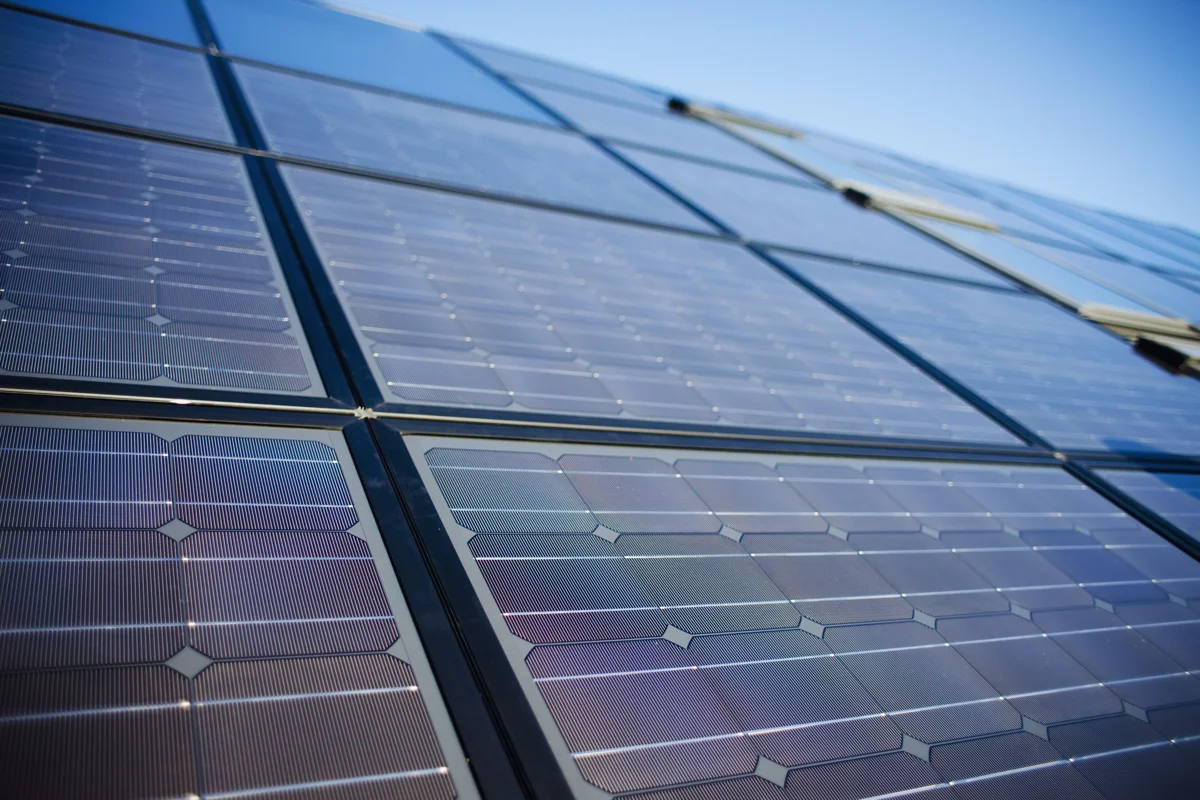
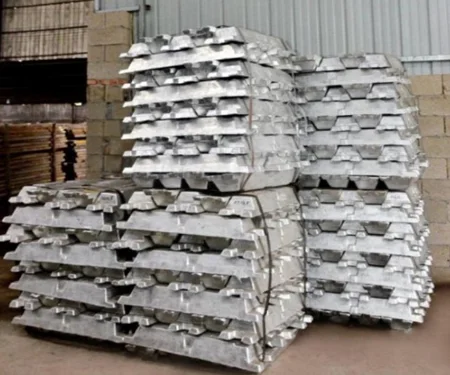
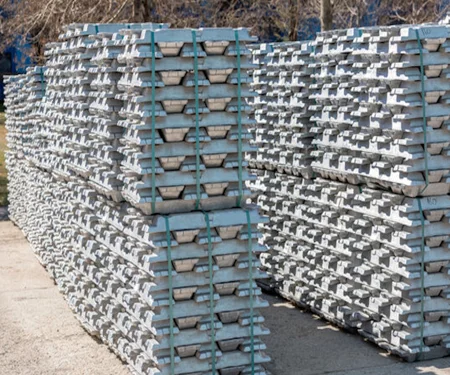
Stock image for referential purposes only
The ongoing conflict in West Asia is beginning to raise the cost of India's clean energy transition, with industry executives warning that higher raw material prices and supply chain disruptions are making solar projects more expensive.
According to industry estimates, rising prices of aluminium and copper, along with supply constraints affecting key petrochemical raw materials, have pushed up costs across the solar power industry by around 20 per cent.
The increase in input costs is putting pressure on project economics, reducing expected returns and increasing financing costs for solar developers, industry executives said.
Solar cells have seen some of the steepest price increases. Locally manufactured solar cells are currently priced at around INR 12-14 (USD 0.13-0.15) per watt peak, compared with about INR 10 (USD 0.10) per watt in January, according to industry estimates. That represents an increase of as much as 35 per cent.
Solar cells account for roughly 40 per cent of the total cost of a solar panel, making them one of the most significant cost components for project developers.
For forward-thinking aluminium market insights amidst supply chain and price challenges, read "ALuminium LeaderSpeak 2026"
Industry sources said sustained increases in raw material prices could slow the pace of solar deployment and pose a challenge to India's target of achieving 500 GW of non-fossil fuel power capacity by 2030.
The rise in project costs is also expected to weigh on returns for developers. People familiar with the matter said some companies may have to revisit financing arrangements with lenders as higher input costs lead to project cost overruns and put additional pressure on investment returns.

Elopak adopts low-carbon aluminium for cartons, cuts packaging emissions by nearly 8%
Next articleEuropean Aluminium warns: Fix CBAM loopholes, or the carbon leaks
Grow with
AL Circle