Elopak adopts low-carbon aluminium for cartons, cuts packaging emissions by nearly 8%
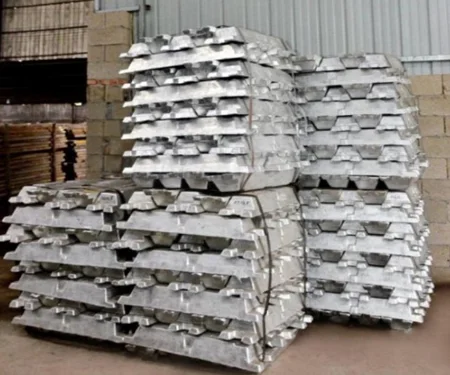
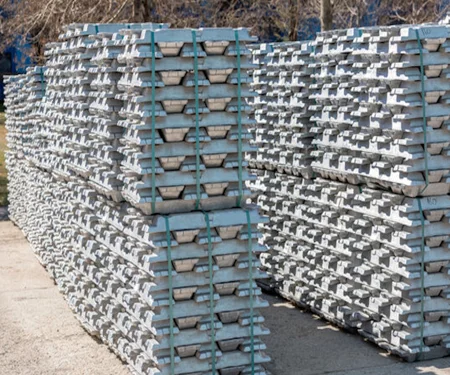
Stock image for referential purposes only
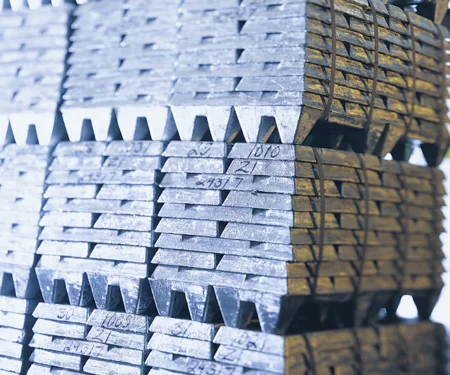
Paper-based packaging company Elopak has begun using low-carbon aluminium produced with renewable electricity in carton packaging manufactured at its facilities in the Netherlands, Denmark and Ukraine, as part of its efforts to reduce the environmental impact of its products.
The company said the switch lowers the carbon footprint of its standard packaging by nearly 8 per cent. Based on cradle-to-gate calculations, the carbon footprint of a standard aseptic Pure-Pak carton has been reduced from 53 grams of CO₂ to 49 grams per carton.
Emilie Olderskog, Global Head of Sustainability at Elopak, said, "The introduction of low-carbon aluminium delivers an immediate and measurable reduction in the footprint of our standard ambient cartons, while allowing us to retain the functional properties that are critical for food protection and shelf life."
Aluminium is used as a thin barrier layer in ambient cartons to protect products from light and oxygen, helping to enable aseptic packaging and extend shelf life. According to Olderskog, life-cycle assessments have shown that liquid packaging cartons can, in many applications, have a lower carbon footprint than plastic packaging alternatives.
Alongside the use of low-carbon aluminium, the company also offers Pure-Pak eSense, an aluminium-free aseptic carton developed for ambient distribution. Elopak said the product is designed to support lower emissions while improving recycling performance.
Explore: The most comprehensive and forward-looking industry-focused report “Sustainability & Recycling: Aluminium's Dual Commitment”
The company said it is continuing to enhance the recyclability of its cartons through material innovation and product design. In 2025, Elopak introduced cartons containing recycled polymers to help customers comply with the European Union's Packaging and Packaging Waste Regulation (PPWR).
Elopak also sources its aluminium exclusively from members of the Aluminium Stewardship Initiative (ASI), which promotes responsible production and sourcing practices across the aluminium value chain.
Beyond food and beverage applications, the company has expanded the use of cartons as an alternative to plastic packaging. Last year, Elopak began supplying cartons to Orkla Home & Personal Care for its all-surface cleaning products and has since partnered with the company to introduce refill cartons for laundry products.
Elopak said all of its manufacturing facilities and offices operate using renewable electricity and that it will continue developing packaging solutions aimed at reducing emissions and improving resource efficiency across the packaging industry.

ASI certifies Independent Extrusions Ltd against Performance Standard V3.1
Next articleWest Asia tensions drive 35% surge in solar cell prices, squeezing project economics
Grow with
AL Circle