European Aluminium warns: Fix CBAM loopholes, or the carbon leaks
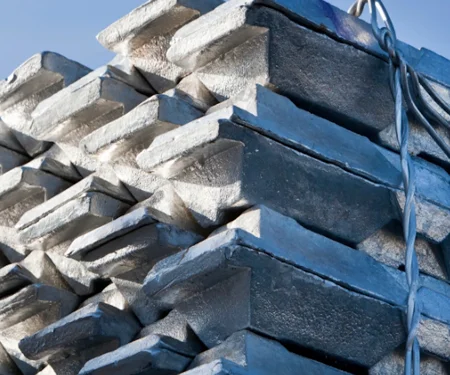
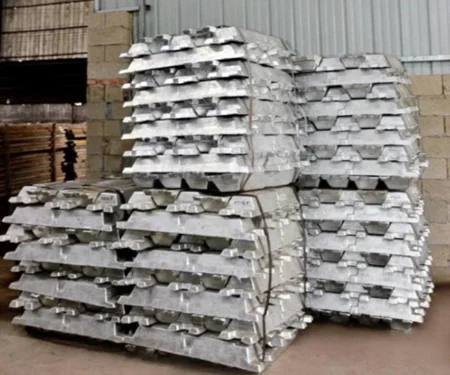
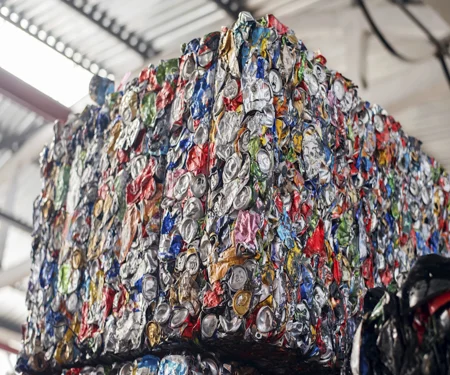
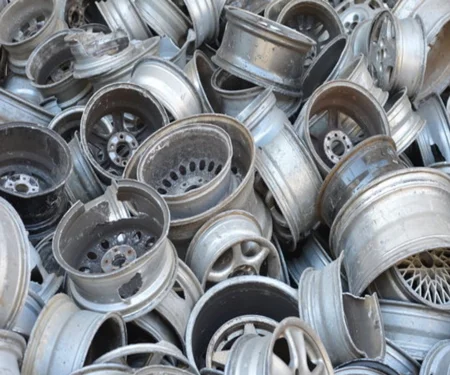
The image used in this article is generated with an AI tool and does not depict any real-time moment
The European aluminium industry has renewed its call for stronger safeguards to protect aluminium scrap and shield Europe from the incomplete framework of the Carbon Border Adjustment Mechanism (CBAM). As the European Union finance ministers prepare to finalise their position on revisions to the CBAM, European Aluminium strongly warns that the existing framework still falls short of protecting the sector from carbon leakage.
The industry body European Aluminium welcomed recent progress in the draft Council General Approach, especially the proposals to broaden CBAM coverage to additional downstream aluminium products and strengthen anti-circumvention provisions under Article 27a. However, it cautioned that key weaknesses remain unresolved and could undermine the mechanism’s effectiveness once implemented.
Addressing the EU Finance Ministers (ECOFIN), COREPER II, and COREPER I Ambassadors, before finalising the General Approach draft at the June 12 session, the association outlined three fundamental concerns that require immediate attention and review.
Delve deeper into the recycled aluminium and secondary aluminium market with our World Recycled ALuminium Market Analysis Industry forecast to 2032
Urgency of closing the scrap loophole
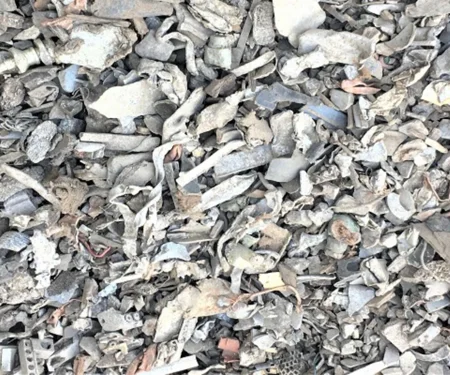
European Aluminium argues that the current treatment of aluminium scrap under CBAM creates an uneven competitive environment. While pre-consumer scrap is recognised within the mechanism, post-consumer scrap is not, leaving room for potential circumvention and making it difficult to verify recycled content claims.
This gap, according to the industry group, could encourage imports of recycled aluminium produced outside Europe without equivalent carbon costs, while European recyclers and producers continue to bear expenses under the EU Emissions Trading System (ETS). The group has proposed introducing a single default carbon value for unwrought aluminium and expanding precursor material definitions to include post-consumer scrap.
In an exclusive interview with AL Circle, Emanuele Manigrassi, Director, Climate & Energy at European Aluminium, has addressed this issue, noting, “To close this scrap loophole, pre- and post-consumer scrap should be treated equally as precursors under CBAM, and a single default value should be implemented to avoid distortions between scrap prices in Europe and outside Europe.”
A mass-based threshold could exempt significant imports
Another point of contention is the proposed 50-tonne mass-based exemption threshold introduced as part of CBAM simplification efforts. While intended to reduce administrative burdens, European Aluminium contends that the measure could leave a sizeable portion of aluminium semi-finished products outside the mechanism's scope.
Given the high value-to-weight nature of many aluminium products, the association warns that imports could enter the EU market without facing CBAM obligations, while European manufacturers continue to absorb carbon-related costs, potentially creating new pathways for carbon leakage.
Call for wider coverage of aluminium goods
While European Aluminium supports the inclusion of additional downstream aluminium products, it believes that the scope is still incomplete. Several aluminium-intensive product categories, such as the CN CODES under Chapter 7615 and particularly 7615 10 30, have not yet been incorporated despite being entirely aluminium-based.
In line with that point, Mr Manigrassi stated, “CBAM should also be extended to more downstream aluminium products, anti-circumvention risks should be addressed, and free allocation should remain in place until CBAM is proven to be fully effective in preventing carbon leakage.”
European Aluminium is, therefore, urging policymakers to broaden the list of covered products to ensure a more comprehensive and balanced implementation of the mechanism.
Competitiveness risks loom large
While acknowledging the improvements introduced in the latest CBAM review draft, the association maintains that unresolved loopholes could weaken Europe's efforts to safeguard low-carbon aluminium production and recycling investments.
European Aluminium further suggested that addressing these concerns adequately during negotiations is a requisite.
Otherwise, the European Commission should consider delaying the definitive implementation phase of CBAM for aluminium, including the planned phase-out of free ETS allowances, until the mechanism's impact on industry competitiveness has been fully assessed.
Explore the position of aluminium at the intersection of sustainability and strategy in Sustainability & Recycling: Aluminium's Dual Commitment

West Asia tensions drive 35% surge in solar cell prices, squeezing project economics
Next articleNALCO reviews sustainable bauxite mining with newly appointed Koraput DFO
Grow with
AL Circle