When the US slapped a steep 50 per cent tariff on imported aluminium earlier this year, it was pitched as a bold step to revive the country’s flagging smelters and bring metal production back home. But on the ground, something quite different is happening: scrapyards, not smelters are thriving.
Across the country, aluminium recyclers are experiencing a surge in demand as manufacturers look for ways to cut costs amid spiking metal prices. With tariffs driving up the price of imported primary aluminium, many downstream industries are shifting toward recycled aluminium, which is cheaper, faster to process, and conveniently free from trade restrictions.
With import prices soaring, especially in the US Midwest, manufacturers are facing higher input costs. The Platts Midwest aluminium premium has nearly doubled, climbing from USD 827.23 per tonne in April 1 to USD 1,487.59 by July 24, putting pressure on downstream industries ranging from beverage packaging to automotive parts. Companies dependent on aluminium cans and tinplate steel are now hunting for cheaper, more sustainable material sources.
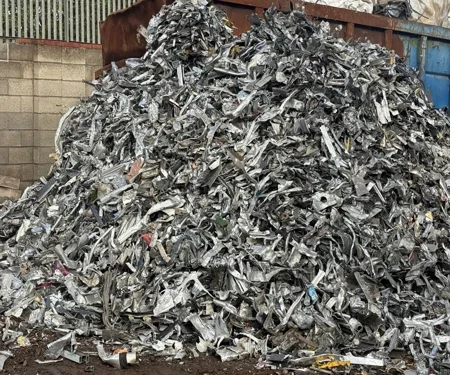
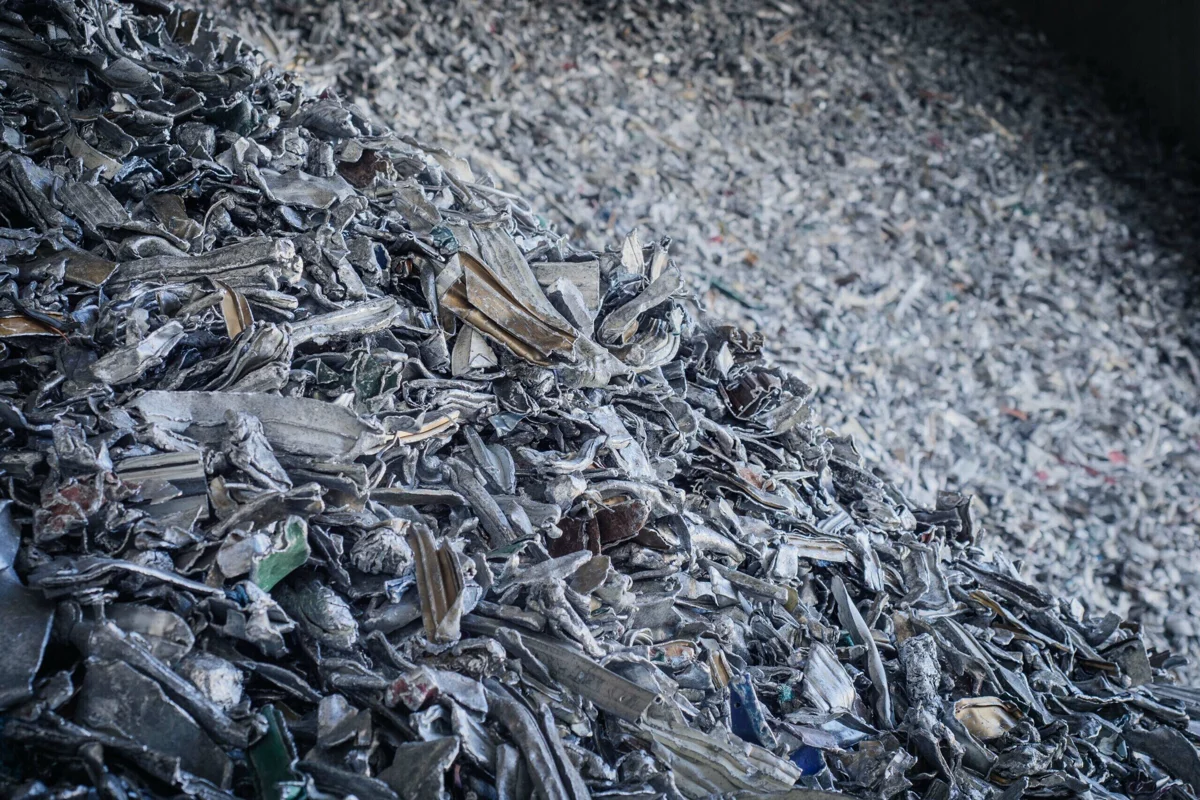
Recycled aluminium is quickly rising to prominence. As per US Geological Survey data, the country recovered 1.222 million tonnes of aluminium from scrap between January and April 2025, up 4.5 per cent from 1.169 million tonnes during the same period last year.
With energy and input costs climbing, recycled aluminium has become a cost-effective solution, requiring just 5 per cent of the energy used in primary production and avoiding the burden of tariffs altogether."
Scrap surges on policy loopholes and green demand
This shift has been propelled by a deliberate policy decision. While primary aluminium imports are subject to the 50 per cent tariff, scrap metal is exempt, allowing recyclers to melt down domestic or imported scrap and sell it at the same high, tariff-inflated prices. This has created an attractive arbitrage opportunity for recyclers and a sharp fall in scrap exports, which previously totalled around 2 million tonnes annually. More of that material is now staying in the US, feeding the growing appetite for secondary aluminium.
At the same time, demand for low-carbon materials is surging across sectors. Automakers, electronics companies, and consumer goods brands are increasingly aligning themselves with recycled inputs to meet sustainability targets. That’s further propelling interest in scrap aluminium, which now offers not just a pricing edge, but also an environmental one.
Industry analysts estimate that if fully utilised, scrap aluminium could offset nearly half of the US 5.5-million-tonne annual import deficit, potentially eliminating the need for at least four new smelters.
As scrap becomes more valuable, there are growing discussions in Washington about imposing scrap export controls to keep the supply domestic.
While recyclers scale up, global exporters particularly in Europe are watching nervously. The US aluminium market, long reliant on overseas supply, is becoming increasingly inward-focused. But with tariff alignments and trade deals in flux, international producers face uncertainty in navigating future US access.
Recyclers outpace smelters in speed, cost, and emissions
The aluminium tariff has reshaped where capital is flowing. In a high-cost, energy-constrained environment, recyclers are gaining the upper hand. New recycling plants need just a tenth of the investment and one to two years to build, far faster and cheaper than traditional smelters. Companies like Hydro are already scaling up, adding over 300,000 tonnes in annual capacity.
This shift comes at a time when aluminium producers are competing for power with AI data centers and clean energy ventures. Recycling’s lower energy demand makes it more attractive, not just for manufacturers, but also for investors and policymakers prioritising climate targets and energy resilience.
What started as an effort to shield domestic smelters is now accelerating a broader shift, driving the US aluminium industry toward a more efficient, sustainable, and self-reliant future, with recycled scrap at its core.
Note: To feature your brand and share insights, contribute an article or interview in our forthcoming e-magazine "American ALuminium Industry: The Path Forward".












_md.webp)