The surprising science behind aluminium foil's shiny and dull sides
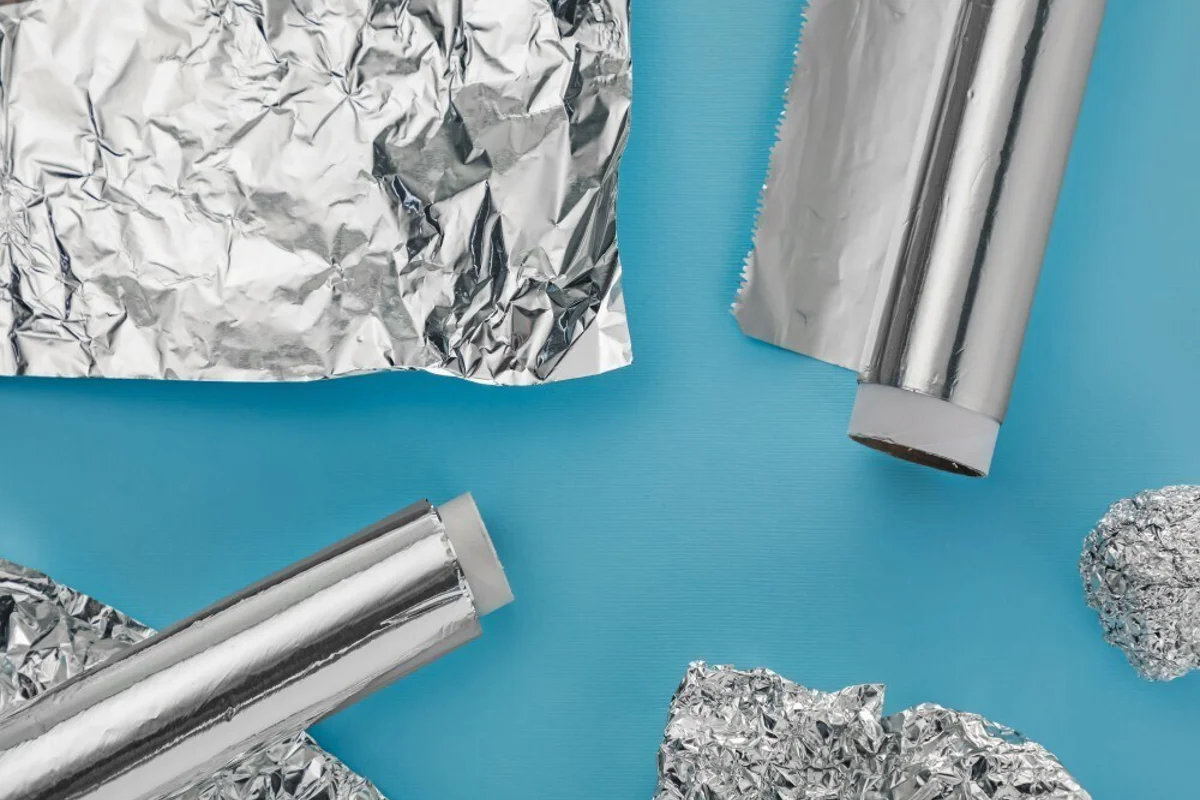
Stock image for referential purposes only
From wrapping leftovers to lining baking trays, aluminium foil is one of the most common items found in kitchens. Yet one small detail has puzzled home cooks for years: why does one side look shiny while the other looks dull?
The answer isn't a special coating or a hidden cooking trick - it's simply science.
It all comes down to the manufacturing process
Aluminium foil starts out as large sheets of metal that are rolled repeatedly until they become incredibly thin—typically less than 0.02 millimetres thick.
By the final stage, the foil is so delicate that it could tear if rolled on its own. To prevent this, manufacturers roll two sheets together at the same time.
The outer surfaces are pressed against highly polished steel rollers, which leave them smooth and shiny. Meanwhile, the two inner surfaces rub against each other instead of the rollers, giving them their characteristic dull finish.
Different appearance, same aluminium
Although the two sides look different, they're chemically identical.
The shiny surface reflects more light because it's smoother, with research showing polished surfaces can reflect more than 80 per cent of incoming light. The dull side, being slightly rougher, reflects less.
Despite that visual difference, both sides have the same thickness and are made from the same aluminium, meaning they conduct heat in virtually the same way.
To learn the future of aluminium in the packaging industry, explore our report "ALuminium in Packaging: Consumer Trends and Market Dynamics"
Does it matter which side faces the food?
For everyday cooking, the answer is no.
Studies and guidance from the US Department of Agriculture indicate that both sides transfer heat equally well, whether you're roasting vegetables, baking potatoes or grilling meat. Aluminium's excellent thermal conductivity ensures heat is distributed evenly regardless of which side is used.
The few exceptions
There are a handful of situations where the two sides do matter.
Some manufacturers produce non-stick aluminium foil, where the dull side is coated to prevent food from sticking. In those cases, food should be placed on the dull side.
Outside the kitchen, the shinier surface's higher reflectivity can also make it useful for certain laboratory and technical applications, although these are specialised uses rather than something most households need to consider.
A manufacturing quirk – not a cooking secret
The shiny and dull sides of aluminium foil have sparked countless kitchen debates over the years, but the explanation is surprisingly straightforward.
The difference isn't about cooking performance, it's simply the result of the way aluminium foil is manufactured. So the next time you reach for a roll, you can choose either side with confidence.
Explore downstream aluminium suppliers, product listings and trade opportunities on AL Biz
Middle East conflict reaches Indian supermarket through Diet Coke, squeezing aluminium can supply
Next articleAnchors aweigh: Tecnomarine unveils aluminium superyachts in comeback after 3 decades
Grow with
AL Circle





















