Middle East conflict reaches Indian supermarket through Diet Coke, squeezing aluminium can supply

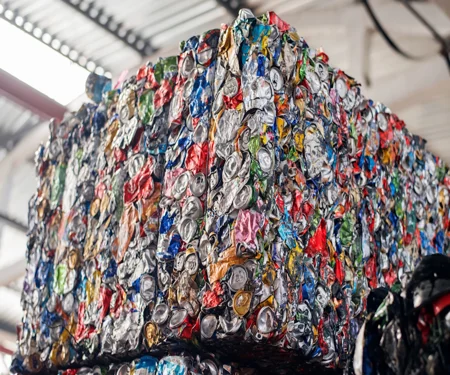
Stock image for referential purposes only
The effects of the ongoing Middle Eastern conflict are now being felt beyond global shipping lanes, reaching supermarket shelves in India through a higher-priced Diet Coke. Supply disruptions affecting aluminium cans have prompted Coca-Cola to change its packaging strategy, illustrating how geopolitical tensions can quickly ripple through consumer goods supply chains.
According to a Reuters report, commercial shipping through the Strait of Hormuz, a vital route for aluminium cans and related raw materials, was disrupted as the conflict intensified. The tighter supply forced Coca-Cola to source larger aluminium cans from Southeast Asia, increasing procurement costs.
To manage those costs, the company has reportedly replaced its widely sold 300 ml Diet Coke cans priced at INR 40 with 330 ml cans retailing at INR 50 in several Indian markets. Although consumers receive a larger pack, the new format carries a higher price per millilitre.
Coca-Cola has not officially announced the pricing revision and declined to comment on the reported changes.
Also read how the Middle Eastern conflict caused concern to Coca-Cola in the past.
The disruption has exposed the vulnerability of products that rely heavily on aluminium can packaging. Unlike many other beverage products of Coca-Cola, Diet Coke is predominantly sold in cans, making it more susceptible to supply shortages.
For example, Coke Zero has avoided the disruption because it is available in plastic bottles, glass bottles and aluminium cans, which means greater flexibility when one of the mentioned packaging formats faces supply constraints.
The report also said at least one Coca-Cola bottler has begun offering 200 ml glass bottles of Diet Coke on a limited basis as an alternative, although the glass bottle format is priced above the earlier 300 ml can.
Global conflicts reshape consumer markets
The development highlights how geopolitical events are increasingly influencing global supply chains, affecting sourcing decisions, logistics costs and retail pricing for consumer goods companies.
India is one of the largest markets for Coca-Cola, with sales reaching up to USD 533 million in FY25, while demand for Diet Coke continues to grow, particularly among urban and health-conscious consumers.
This disruption shows how international conflicts can have far-reaching consequences, extending from strategic shipping routes to everyday purchases made by consumers.
Explore: The most comprehensive and forward-looking industry-focused report – ALuminium in Packaging: Consumer Trends and Market Dynamics
Meiji exits China dairy business after losses top over USD 47.2 million
Next articleThe surprising science behind aluminium foil's shiny and dull sides
Grow with
AL Circle