AlCircle.com
NSW 'cash for cans' recycling scheme likely to dent soft beverage sales by 10%
Edited by : AL CIRCLE
3 min read

A New South Wales government plan to reduce litter volume by imposing a small deposit on drinks could dent sales of soft drinks, fruit juice and bottled water by almost 10 per cent, observed market watchers.
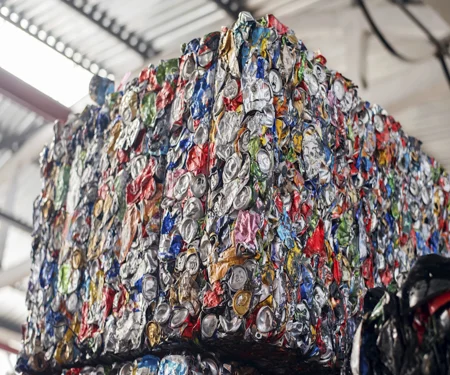
Under the container deposit scheme, which comes into effect in July 2017, commercial drink containers- aluminium cans, glass bottles, tetra pack- between 150 millilitres and three litres will be redeemable for 10¢ each at depots and reverse vending machines.
The scheme will be paid for by beverage manufacturers, including Coca-Cola Amatil, Asahi/Schweppes, Carlton & United Beverages and Lion Co, which owns juice maker Berri. They plan to pass the cost of the 10¢ deposit and the cost of administering the scheme onto consumers by raising prices by between 15¢ and 20¢ per container.
Australian Beverages Council chief executive Geoff Parker said the impact on beverage volumes had yet to be determined and would vary category by category. However, he agreed with US figures suggesting that demand could fall by 22 per cent for every 10 per cent price rise.
"It will have an impact at the checkout," Mr Parker said. "Once you start getting into multi-packs it starts getting quite significant, whether it's a six-pack of beer or a 30-pack of [soft drink] cans," he said. "That has a real impact on household shopping budgets."
"Given the scheme will not be implemented for some time, there is no immediate impact for the company," Coca-Cola Amatil said. "CCA is working through the potential implications and once further details are known, will update the market as appropriate."
Retail analysts believe the price increase, albeit modest, is likely to lead to a fall in commercial beverage volumes, which are already under pressure from changing consumer preferences.
"This is a negative for all beverage suppliers," said Deutsche Bank analyst Michael Simotas. "If Amatil passes through all costs, there is likely to be a volume response."
The price elasticity of demand for carbonated soft drinks is the highest in the food and beverage sector and is estimated to be about 2.2 times, based on US research. This means that for every 10 per cent price rise, demand would fall by 22 per cent.
South Australia introduced a container deposit scheme in 1977 and the Northern Territory in 2011. Queensland is expected to follow NSW's lead in 2018. The aluminium beverage can and other soft drink container deposit scheme is aimed at reducing litter volume in NSW by 40 per cent. According to the Environmental Protection Agency, about 160 million aluminium cans and other containers are littered in NSW each year, representing about 4 per cent of the estimated 4.2 billion drink containers consumed in the state last year.
The move comes despite the aluminium recycling and other packaging recycling industry being under growing pressure from low global commodity prices, which is making the economics of collecting paper, aluminium, tin, and plastic waste from households increasingly marginal.
Under the container deposit scheme, which comes into effect in July 2017, commercial drink containers- aluminium cans, glass bottles, tetra pack- between 150 millilitres and three litres will be redeemable for 10¢ each at depots and reverse vending machines.
The scheme will be paid for by beverage manufacturers, including Coca-Cola Amatil, Asahi/Schweppes, Carlton & United Beverages and Lion Co, which owns juice maker Berri. They plan to pass the cost of the 10¢ deposit and the cost of administering the scheme onto consumers by raising prices by between 15¢ and 20¢ per container.
Australian Beverages Council chief executive Geoff Parker said the impact on beverage volumes had yet to be determined and would vary category by category. However, he agreed with US figures suggesting that demand could fall by 22 per cent for every 10 per cent price rise.
"It will have an impact at the checkout," Mr Parker said. "Once you start getting into multi-packs it starts getting quite significant, whether it's a six-pack of beer or a 30-pack of [soft drink] cans," he said. "That has a real impact on household shopping budgets."
"Given the scheme will not be implemented for some time, there is no immediate impact for the company," Coca-Cola Amatil said. "CCA is working through the potential implications and once further details are known, will update the market as appropriate."
Retail analysts believe the price increase, albeit modest, is likely to lead to a fall in commercial beverage volumes, which are already under pressure from changing consumer preferences.
"This is a negative for all beverage suppliers," said Deutsche Bank analyst Michael Simotas. "If Amatil passes through all costs, there is likely to be a volume response."
The price elasticity of demand for carbonated soft drinks is the highest in the food and beverage sector and is estimated to be about 2.2 times, based on US research. This means that for every 10 per cent price rise, demand would fall by 22 per cent.
South Australia introduced a container deposit scheme in 1977 and the Northern Territory in 2011. Queensland is expected to follow NSW's lead in 2018. The aluminium beverage can and other soft drink container deposit scheme is aimed at reducing litter volume in NSW by 40 per cent. According to the Environmental Protection Agency, about 160 million aluminium cans and other containers are littered in NSW each year, representing about 4 per cent of the estimated 4.2 billion drink containers consumed in the state last year.
The move comes despite the aluminium recycling and other packaging recycling industry being under growing pressure from low global commodity prices, which is making the economics of collecting paper, aluminium, tin, and plastic waste from households increasingly marginal.
Unlock full access – sign up for FREE.
Key benefits
Find exclusive data-driven insights and in-depth analysis
Get our daily newsletter delivered straight to your inbox
Access real-time and historical price trends from global indices
Post and respond to latest business leads
Stay ahead with alerts on learning tools
...and so much more!SIGN UP / LOGIN
Previous article
Ford recycles 20 million pounds of aluminium a month
Next articleIrish schools full of bright ideas in tea light recycling competition organized by Alupro
Grow with
AL Circle