Emergency duty on aluminium extrusion imports declined; NZ extruders await federal scrutiny

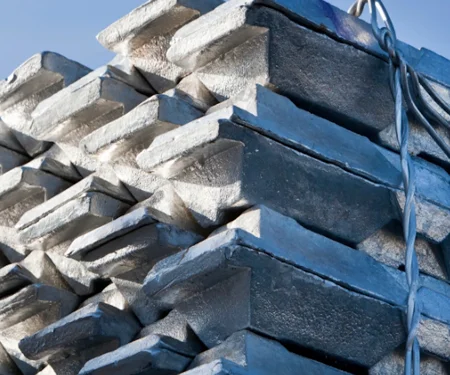
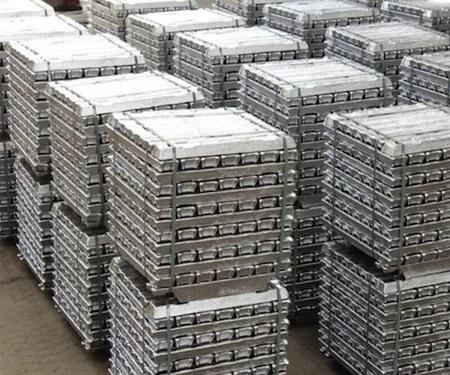
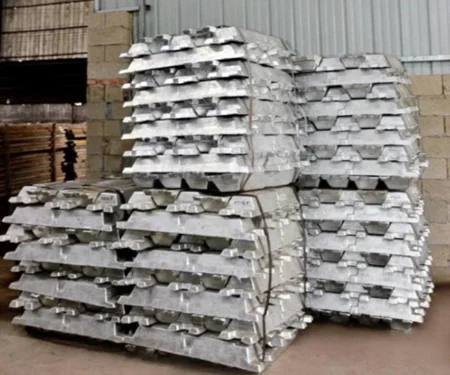
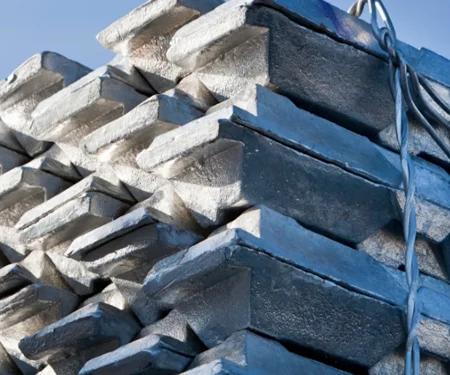
Stock image for referential purposes only
The government has declined provisional protection against surging aluminium extrusion imports, leaving local producers waiting for the outcome of a wider safeguard investigation.
New Zealand's aluminium extrusion industry faces several more weeks of uncertainty after the government decided not to impose an emergency provisional duty on imports, even as local producers warn that a sharp increase in low-cost material is already affecting operations.
Commerce and Consumer Affairs Minister Cameron Brewer made the decision after receiving advice on whether provisional duties should be introduced. The move does not end the trade-remedy process, however, with the Ministry of Business, Innovation and Employment (MBIE) expected to report on its broader aluminium extrusion safeguard investigation later this month.
That leaves local extruders balancing immediate pressure from imports against the possibility of longer-term trade protection once the investigation is complete.
38 per cent import rise puts local producers under pressure
The Aluminium Extruders Association of New Zealand (ALENZ) says imports of aluminium extrusions have increased 38 per cent over the past year, with local producers struggling to compete with the prices of some imported products.
The association says the impact is already being felt through reduced working hours rather than widespread redundancies.
Nick Collins, chair of ALENZ, told RNZ that some members were operating fewer shifts and warned that prolonged reductions could eventually lead to permanent losses of skilled workers.
The industry has argued that the government already has a legal mechanism to provide temporary protection while the wider investigation is underway. That option has now been rejected for the time being.
To know the global production, demand and consumption forecasts of aluminium extrusions, explore our report "The World of Aluminium Extrusions to 2035"
A safeguard decision still to come
The current investigation began on May 28, when New Zealand notified the World Trade Organisation's Committee on Safeguards that it had opened an inquiry into certain aluminium extrusions.
The investigation covers alloy profiles, bars and rods produced by extrusion across the 1, 2, 3, 5, 6 and 7 alloy series. Imports from Australia and Singapore are excluded because of existing free trade arrangements.
Unlike an anti-dumping case, a safeguard investigation does not need to establish that a particular country or exporter is selling below a benchmark price. Instead, it examines whether a surge in imports is causing, or threatening to cause, serious injury to domestic producers.
MBIE's investigation is therefore looking beyond import volumes, including factors such as domestic output, sales, market share, profitability, productivity, employment and plant utilisation.
The ministry is expected to report to the minister this month, meaning the rejection of provisional protection does not represent the final decision on whether aluminium extrusion imports will ultimately face a safeguard measure.
Jobs versus cheaper imports
Local extruders argue that protecting domestic production would help preserve skilled jobs, regional manufacturing capability and local supply chains. The industry also says New Zealand producers can offer shorter lead times, smaller orders and local technical support that imported profiles cannot always match.
But imported aluminium extrusions can also provide lower-cost inputs for fabricators and builders. With construction costs already elevated, a duty could increase the price of products such as windows, doors and other building components.
That trade-off means the final safeguard assessment will have implications beyond the extrusion manufacturers themselves. The legislation requires consideration of the broader public interest, including the effect of potential measures on consumers, trade objectives and the strategic importance of the domestic industry.
Connect with verified aluminium extrusion buyers and suppliers through the AL Biz marketplace.
The clock is now ticking
The Trade (Safeguard Measures) Act 2014 sets out a defined timetable for the investigation. MBIE's chief executive is required to make reasonable efforts to report within 75 working days of the investigation beginning, extending to 85 working days where a provisional duty has been requested.
Based on the May 28 start date and applicable public holidays, those deadlines fall in September, putting the wider decision within weeks.
A provisional safeguard, if granted, could last for no more than 200 days, while a full safeguard measure can remain in place for up to four years unless reviewed and extended.
For New Zealand's aluminium extruders, the immediate protection they sought is now off the table. The focus therefore shifts to MBIE's findings — and whether the government ultimately decides that protecting domestic aluminium extrusion capacity outweighs the potential cost of restricting cheaper imports.
AL Circle is coming up with a new Magazine "ALuminium’s Frontline: OEM Edition 2026." Feature your brand and opinion in the edition
Aluminium extrusion 2035 demand nears 44.22Mt: Industry experts decode next decade drivers
Next articleSeptember purchases take Eskay Aluminium’s Sacheta Metals holding to 132,310 shares
Grow with
AL Circle