India aluminium extrusion sector targets 10% growth with ₹750b revenue amid working capital pressure
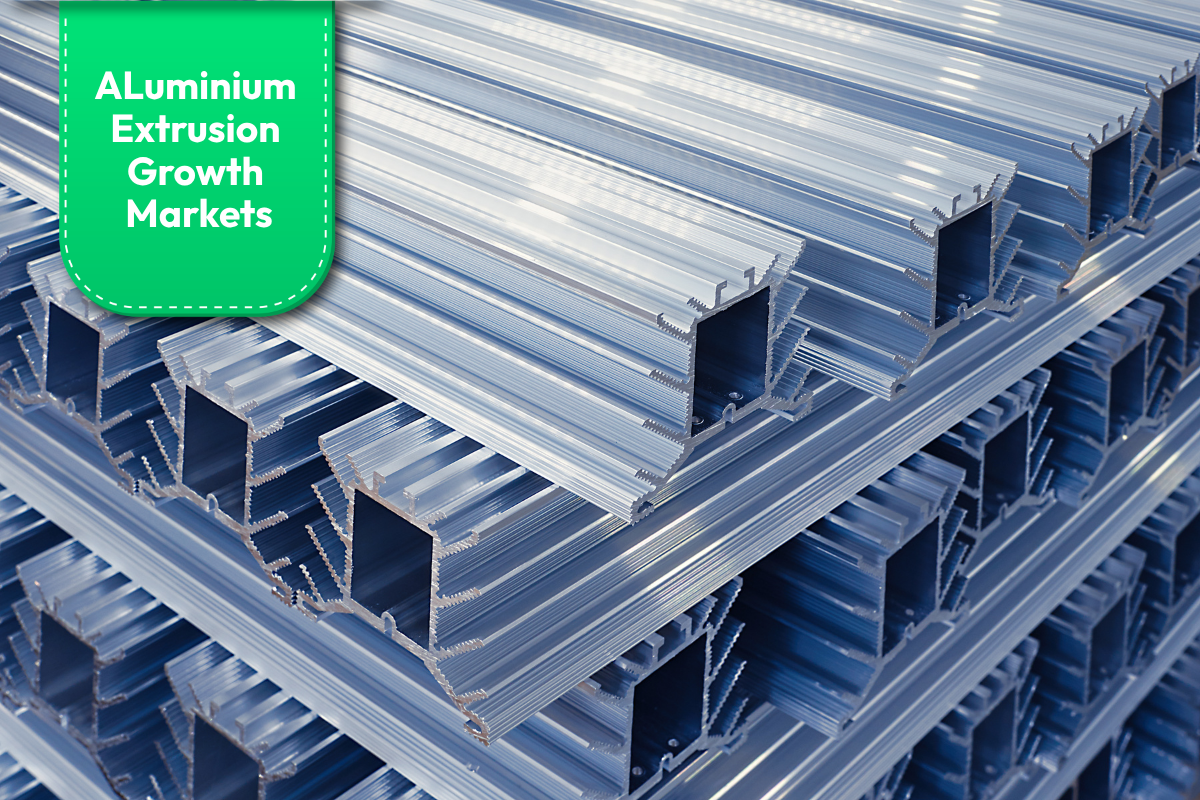
Stock image for referential purposes only
India’s aluminium extrusion industry is preparing for strong demand growth of around 10 per cent annually over the next five years, supported by data centres, renewable energy, construction, electric vehicles, semiconductor plants and packaging. At the same time, manufacturers are working to manage higher raw-material and energy costs and the resulting working-capital requirements.
Jitendra Chopra, president of the Aluminium Extrusion Manufacturers Association of India (ALEMAI), said the downstream sector, which includes around 400 MSME and medium-sized units, generates about INR 750 billion (around USD 8 billion) in annual revenue and provides around one million jobs.
Chopra also stated the sector could create more employment and attract additional investment if manufacturers are able to use their existing capacity and compete more effectively with imports. He said, “There is a demand with the development of India,” from data centres, solar and renewable-energy projects, construction, transmission and electrification, EVs and semiconductor manufacturing. These are expected to support annual growth of around 10 per cent over the next five years.
To know the global production, demand and consumption forecasts of aluminium extrusions, explore our report "The World of Aluminium Extrusions to 2035"
Rising costs add to financing pressure
The immediate challenge, however, is working capital. Chopra said raw-material prices have increased by around 30–40 per cent since the post-Hormuz crisis period, while energy costs have risen by about 30 per cent. This has increased the amount of funding manufacturers need to run their operations.
Although the government provided temporary support through the Emergency Credit Line Guarantee Scheme (ECLGS), including additional working capital, Chopra said manufacturers continue to face cash-flow pressure.
Explore downstream aluminium products from our comprehensive list on AL Biz.
Chopra said, “We are paying interest to the bank, while the government is taking the money from us without interest,” pointing to the impact of 2 per cent tax deducted at source (TDS) and 2 per cent tax collected at source (TCS). These deductions tie up funds that businesses could otherwise use for working capital, with the money sometimes remaining locked for two to three months.
Import competition limits cost recovery
Manufacturers are also struggling to fully pass higher costs on to customers. Chopra noted finished-product prices have increased, but not at the same rate as input costs because of competition from imported value-added aluminium products.
India’s extrusion industry has installed capacity of about 3 million tonnes a year, but manufacturers are not receiving enough orders to use it fully. According to him, current production has fallen to around 0.8 million tonnes a year, following earlier disruptions linked to the West Asia tension and supply-chain issues.
Read our latest magazine “ALuminium’s Frontline: OEM Edition 2026” and learn how OEMs are transforming critical aluminium applications across end-use sectors.
He further added that cost competitiveness remains a longer-term concern. Domestic manufacturers effectively pay import-parity prices for aluminium ingots and billets, which carry a 7.5 per cent import duty, while finished products from FTA partner countries can enter India at concessional or zero duty.
ALEMAI is seeking zero duty on ingots and billets and higher duties on finished value-added aluminium products, with the aim of improving domestic manufacturing competitiveness and helping Indian companies capture expected growth in aluminium demand.
AL Circle Analysis: From 13% costlier cans to 317 GW solar, aluminium trade enters new territory
Next articleOdisha seeks Bengal partnership as India aims 37Mt aluminium capacity by FY47
Grow with
AL Circle






















