In a quiet alley in Fukuoka’s Minami Ward, what began as a routine garbage patrol turned into a tense showdown. “You’re not allowed to take that!” howled a Fukuoka city employee, catching a man red-handed with a bag of non-burnable waste stuffed with aluminium cans. The man lunged, shoving the official and trying to flee in a small car. After a brief scuffle, two city workers managed to pin him down and hand him over to the police. His backseat? Crammed with five bags of stolen aluminium cans.
This wasn’t his first offence. The man, in his 20s, had already received three warnings, both written and verbal. But the lure of aluminium had proven too strong.
Aluminium theft in Japan is no longer a petty nuisance. It is becoming an organised, nationwide problem. In Fukuoka alone, consultations about household waste theft surged from just 39 cases in FY 2020 to a staggering 620 cases in FY 2024, a more than 15-fold spike in just four years.
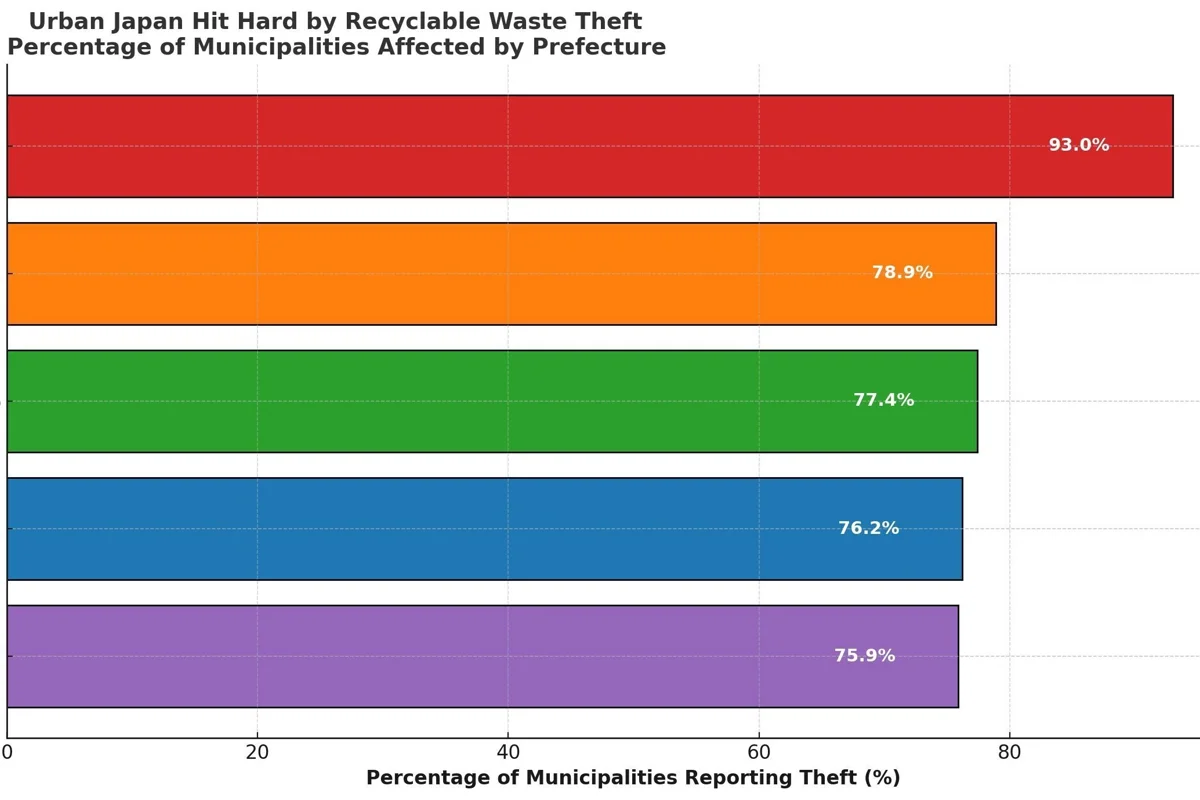
Across the country, the Ministry of the Environment reports that 729 out of 1,741 municipalities (41.9 per cent) have dealt with theft of recyclable waste. Urban centres are the worst hit:
- Osaka: 93 per cent of municipalities
- Shiga: 78.9 per cent
- Tokyo: 77.4 per cent
- Saitama: 76.2 per cent
- Aichi: 75.9 per cent
The most coveted item in Japan’s modern waste wars? Empty aluminium cans.
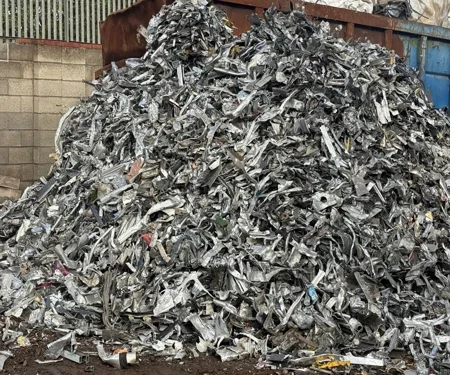
Often left neatly separated for recycling, these cans disappear from bins before municipal trucks even arrive. In many cases, they’re resold to local scrap dealers for instant cash. “Some sellers bring in up to 60 kilograms of aluminium cans at a time,” one Fukuoka waste management company revealed.
A crisis fuelled by metal prices
The motivations aren’t hard to trace. In 2020, the price of aluminium cans in Japan was around JPY 55 per kilogram (USD 0.40). Today, it’s JPY 170 (USD 1.20), which is a whopping 209 per cent jump in just four years.
What was once rubbish is now a hot commodity. And people are willing to break the law to cash in. Ironically, as the value of aluminium rises, Japanese cities are losing money.
Take Fukuoka — its waste processing plant costs around JPY 500 million (USD 3.47 million) annually. The city offsets part of this with proceeds from selling recyclables like aluminium cans. But thanks to rampant theft, revenue is falling, not rising.
In FY 2021, the city earned JPY 112 million (USD 834 thousand) from recyclable sales. By FY 2023, that number had dropped to just JPY 76 million (USD 528 thousand) despite the commodity price surge.
The trend is national. In the Environment Ministry’s latest survey, 283 municipalities reported declining revenues due to stolen recyclables. The damage isn’t just financial; it’s reputational and operational, as local governments struggle to answer complaints from residents who wonder why their carefully sorted recyclables are vanishing.
Japan’s aluminium industry at present
Once a symbol of the country’s post-war industrial might, Japan’s aluminium industry is staring down a future filled with uncertainty as the global decarbonisation drive accelerates and reshapes the competitiveness matrix of heavy industries.
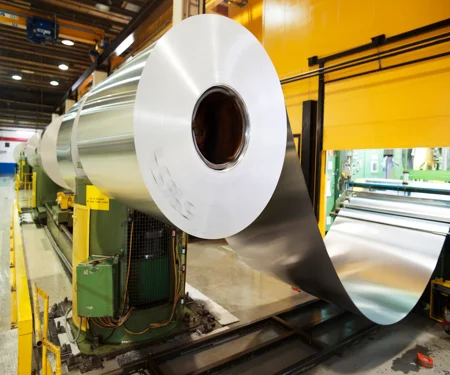
According to recent industry data, Japan’s domestic production of aluminium has plummeted over 90 per cent from its peak. In 1973, the nation churned out 1.68 million tonnes of primary aluminium. Today, that number has dropped below 70 thousand tonnes annually, forcing Japan to rely heavily on imports for its domestic consumption needs, which currently hover around 3.3 million tonnes per year.
The culprit? A volatile cocktail of sky-high energy costs, tougher environmental regulations, and unrelenting global competition, particularly from China, the United Arab Emirates, and Russia, whose smelters benefit from access to cheaper and often less carbon-intensive energy sources.
Desperate measures and rising tensions
Some cities have responded by ramping up patrols and installing surveillance. But that, too, has led to new flashpoints. The assault on the Fukuoka employee isn’t an isolated incident—it’s a symptom of growing desperation amid inflation, wage stagnation, and social inequality.
In densely populated neighbourhoods, residents have taken to snapping photos, posting warnings, and even confronting would-be waste thieves themselves. However, such vigilance can also provoke conflict, especially when offenders are increasingly emboldened by the high returns on aluminium.
This isn’t just a story about cans being swiped from trash bins. It’s a case study of how commodity volatility, geopolitical disruptions, and local governance gaps can collide, transforming everyday urban waste into an underground economy.
In a world where scrap has street value and refuse is resold by the kilo, Japan’s aluminium crisis is a glimpse into a global issue: what happens when the green economy meets the grey market?
Power, carbon, and global pressures
Aluminium is notoriously energy-intensive. It takes about 14-16 MWh of electricity to produce just one tonne of primary aluminium. With Japan’s electricity costs among the highest in the industrialised world, largely due to its dependence on fossil fuel imports and its slow restart of nuclear facilities post-Fukushima, Japanese smelters have steadily shuttered.
Currently, no operational smelters remain in Japan. The country imports most of its aluminium ingots from Australia, Canada, the Middle East, and Russia, raising questions about long-term supply security amid rising geopolitical tensions and sanctions.
But decarbonisation adds another layer of complexity.
As the world’s third-largest economy aims to achieve net-zero carbon emissions by 2050, industries like aluminium, responsible for nearly 2 per cent of global CO₂ emissions, are under increasing pressure to adopt low-carbon production pathways. However, Japan’s lack of hydropower and competitive renewable energy infrastructure makes greening domestic smelting unviable in the near term.
Strategic stakes for Asia-Pacific
Japan’s aluminium dilemma also has broader implications for the Asia-Pacific. As the region’s demand for low-carbon aluminium surges — especially from the EV and solar sectors — countries like India, China, Indonesia, and Malaysia are positioning themselves as new production powerhouses. With Japan increasingly becoming a technology and innovation hub rather than a manufacturing base, the balance of aluminium power in the region is clearly shifting.
Japan’s aluminium sector stands at a strategic inflexion point. With primary production no longer viable, its future lies in high-end downstream innovation, circular economy leadership, and smart trade policy. Whether this pivot can keep Japan competitive in the global aluminium value chain remains to be seen, but doing nothing is no longer an option.












_md.webp)