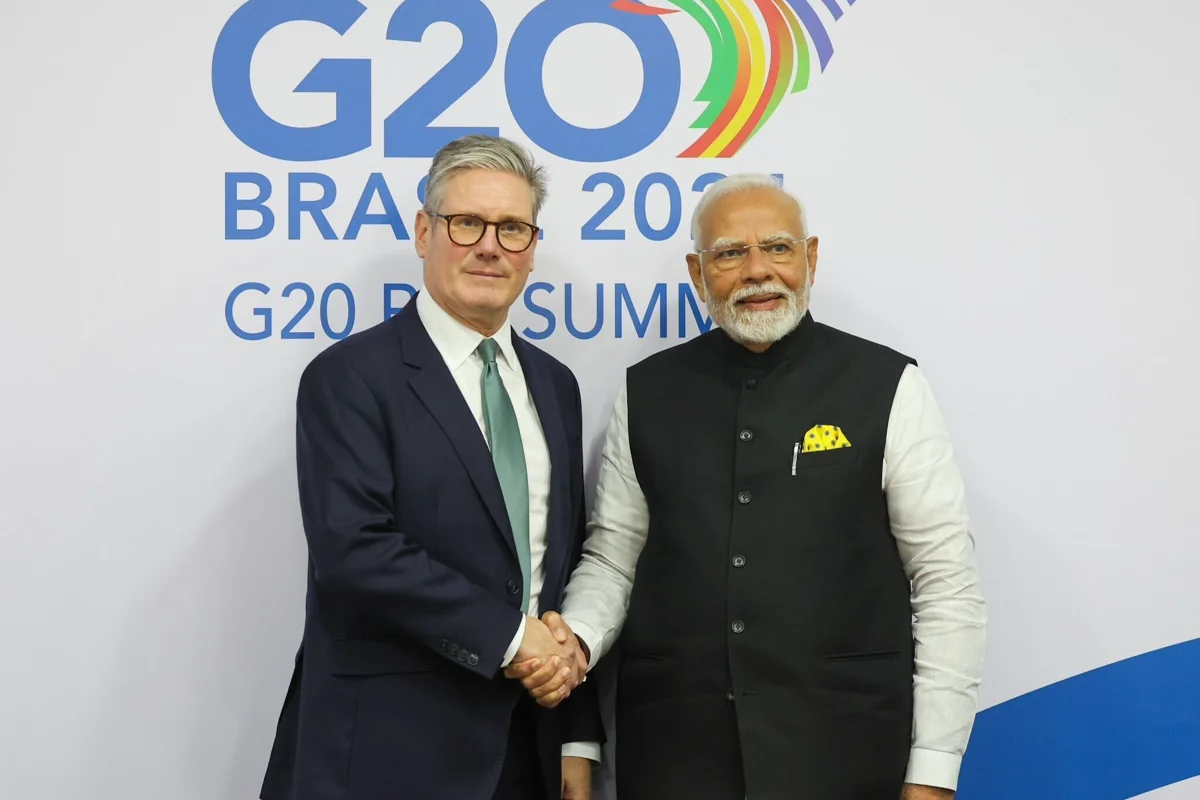
India and the United Kingdom have recently concluded negotiations on a long-anticipated Free Trade Agreement (FTA) aimed at unlocking bilateral trade potential and reducing tariff barriers. The deal is expected to usher in smoother market access for Indian goods, from textiles and engineering products to aluminium and steel. But even before implementation begins, an invisible tariff threatens to erode these gains: the United Kingdom’s upcoming Carbon Border Adjustment Mechanism (CBAM).
Image for representational purposes only (Source: https://x.com/narendramodi/)
Set to take effect from January 1, 2027, the UK CBAM is designed to level the playing field between domestic and imported goods by placing a carbon cost on high-emission imports. In doing so, it mirrors the European Union’s CBAM, which enters its operational phase in 2026, albeit with some differences in mechanism and implementation.
FTA sweeteners meet climate tariffs
The FTA promised India tariff concessions to sharpen its export edge, especially in key sectors like iron, steel, and aluminium. However, the CBAM stands poised to offset these benefits. According to the Global Trade Research Initiative (GTRI), Indian exports to the UK worth nearly USD 775 million could be impacted due to CBAM-linked carbon charges—some of which could amount to 14 per cent to 35 per cent of a product’s value, depending on its embedded emissions.
In short, Indian goods may soon enter the UK with one hand shaking on trade while the other collects a carbon tax at the border.
For Indian exporters, the timing could not be more contradictory. The FTA was expected to make India more competitive in the British market, especially for value-added products in engineering, automotive components, and primary metals. Now, the cost compliance architecture under CBAM could force these very sectors to absorb new reporting requirements, pay carbon surcharges, and potentially lose pricing advantage to local or greener suppliers.
What exactly is the UK CBAM trying to do?
The UK CBAM is not a trade barrier per se. It is part of Britain’s legally binding net-zero emissions strategy to be achieved by 2050. The logic is straightforward: if domestic manufacturers are required to pay for their carbon footprint, then imported goods must be subject to an equivalent carbon price to prevent “carbon leakage”—the relocation of emission-heavy production to countries with looser regulations.
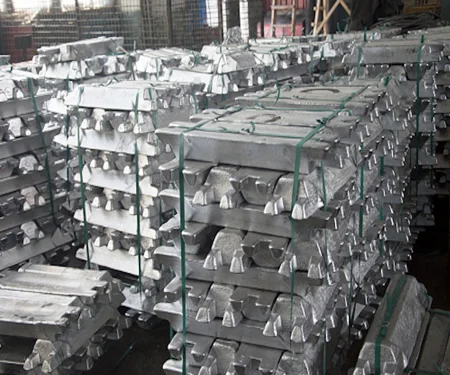
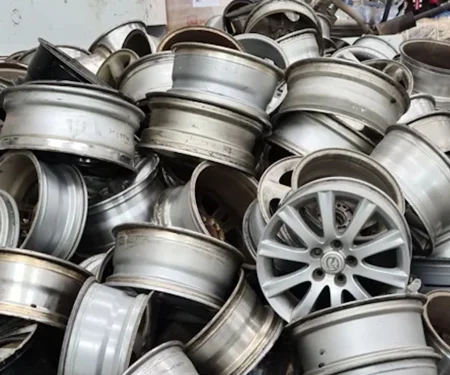
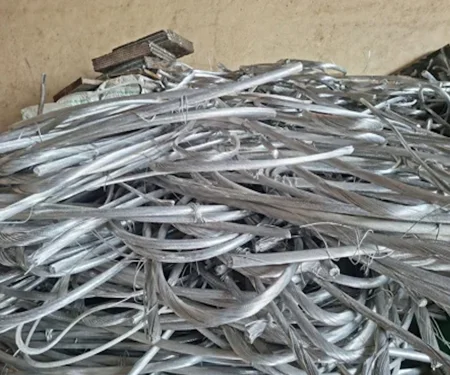
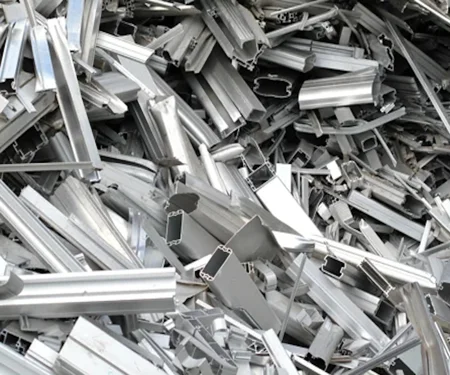
The CBAM will initially apply to carbon-intensive sectors such as iron and steel, aluminium, cement, fertilisers, hydrogen, and electricity (in future phases). Tariffs will be calculated based on embedded emissions, and importers will need to report emissions data or risk default valuations that may be even costlier.
India’s CBAM dilemma: Not just about the taxes
The Indian government has voiced strong concerns. During negotiations, it proposed a rebalancing mechanism that could allow for tariff offsets or compensatory measures if CBAM undercuts the FTA’s commercial benefits. However, the UK-held firm CBAM is a domestic environmental tool and, by design, is excluded from trade negotiations.
Commerce and Industry Minister Piyush Goyal has hinted at possible retaliatory measures or rebalanced concessions if CBAM hits Indian exporters unfairly. However, retaliating against a climate policy wrapped in legal obligations rather than protectionist intent poses its own political and diplomatic complexity.
A WTO grey zone, but a legal wall in the UK
From a trade law standpoint, CBAM exemptions for FTA partners are almost non-starters. Under WTO rules, any measure that treats FTA countries preferentially, without tying it to actual emission reductions, could be deemed discriminatory. Furthermore, the UK’s domestic law enshrines net-zero goals, making CBAM a non-negotiable pillar of climate enforcement. Any perceived dilution through trade carve-outs could face legal and parliamentary scrutiny in the UK.
Even the UK’s closest trading partner, the European Union (EU), does not enjoy a CBAM exemption despite deep economic ties post-Brexit. The UK has insisted on equal application to all third-country imports, a precedent that India cannot ignore.
EU and UK CBAMs: Merging paths or diverging models?
As of May 2025, the UK and EU are actively exploring a linkage between their respective Emissions Trading Systems (ETS) and CBAMs. This would allow for mutual recognition of carbon pricing, ensuring that goods traded between the two jurisdictions are not taxed twice or arbitrarily exempted.
Such a linkage, if successful, could set the global benchmark for carbon-adjusted trade. But for countries like India, it raises an uncomfortable possibility: if the EU does not offer CBAM flexibility to Indian exporters, and the UK does, Indian exporters will face a bifurcated compliance burden.
An aluminium flat product could enter Felixstowe (UK) with lesser scrutiny but be hit with a hefty CBAM tariff at Rotterdam (EU), even if made in the same plant in Gujarat.
SMEs and carbon compliance: An uneven playing field
One of India’s largest challenges lies at the SME level. The CBAM mandates a detailed and verifiable carbon emissions trail. Large exporters may have the capacity to generate lifecycle emissions data, invest in compliance tools, or lobby for alignment. But for small and medium-sized firms, this creates a heavy burden.
On the one hand, reporting mechanisms are still underdeveloped in India. Carbon measurement methodologies differ — India’s current carbon credit market is intensity-based, while the UK’s CBAM evaluates absolute emissions. Sensitive trade data disclosures and third-party certifications also could raise confidentiality concerns.
In the absence of a unified national carbon accounting framework, Indian exporters may end up paying default emission tariffs, which are typically higher than declared values.
What can India do? Options, not exemptions
Given that CBAM exemptions are not viable, the solution lies in alignment, not argument.
- Technical cooperation with the UK on emissions accounting
- Recognition of India’s own carbon trading mechanisms
- Time-bound phase-ins or transition mechanisms
- Support for capacity-building and reporting tools, especially for SMEs
Also read: CBAM vs FTA: India’s balancing act to tackle climate costs and trade deals with EU
More ambitiously, India must accelerate the greening of its industrial base. That means investing in low-carbon technologies, improving grid-based renewable usage in heavy manufacturing, and institutionalising carbon tracking systems.
In short, India needs to transition faster — or risk watching trade access erode under the weight of climate compliance.
Final word: FTA on paper, CBAM at the border
India’s FTA with the UK may have secured tariff cuts, but it’s the price of carbon, not customs duties, that could ultimately shape the future of bilateral trade. With less than two years to go before the UK CBAM is enforced, exporters need clarity, policy support, and a roadmap to carbon accountability.
Because in the age of green tariffs, the real cost of doing business may no longer lie in duty structures but in decarbonisation gaps.












_md.webp)
_md.webp)
_md.webp)