Guinea's 150Mt bauxite export cap may create a market deficit of 33Mt - Can the world make up the difference?
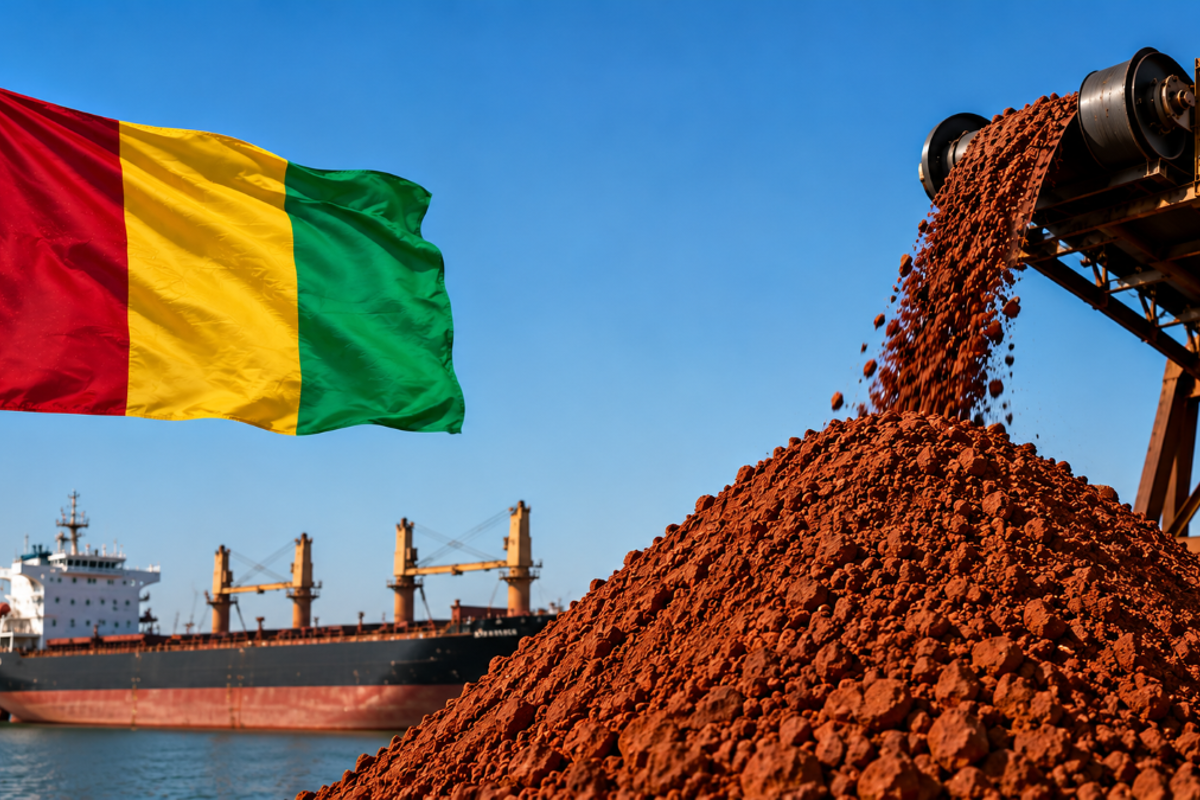
The image used in this article is generated with an AI tool and does not depict any real-time moment
For the past few years, Guinea has been the driving force behind the global bauxite trade. Production expanded rapidly, exports climbed to record highs, finding their way to refineries across the world. But after years of pushing output higher, Guinea is now considering a different approach - a possible export cap of around 150 million tonnes.
Such a move would mark a major shift for a country that exported nearly 183 million tonnes in 2025. If introduced, the cap could remove almost 33 million tonnes from the market, raising questions about where the industry would find replacement supply.
The proposal comes at a time when market conditions have changed significantly. Bauxite prices have fallen, freight costs have risen and concerns over surplus have grown. For Guinea, which holds an estimated 7.4 billion tonnes of bauxite reserves - the largest in the world, the focus appears to be shifting from maximising volumes to preserving value.
Unlock full access – sign up for FREE.
Key benefits
Can Jamaica seize the moment? JBI pushes bauxite growth amid Guinea uncertainty
Next articleVedanta Aluminium’s hydrogeological plan focuses on groundwater recharge and runoff management
Grow with
AL Circle