Global aluminium businesses have been ramping up efforts in the recycling vertical with mounting demand and resource constraints. However, during the ongoing calendar year, the green initiatives have come under pressure with geopolitics playing a major role in the ruptured system.
Of course, global developments are throwing a wrench into the industry’s momentum. Or else, why would companies like Coca-Cola decide to move away from its aluminium can packaging to pet bottle packaging?
In February 2025, the US slapped a 25 per cent tariff on all aluminium imports, citing global overcapacity. Though the tariffs were briefly paused, they came roaring back and bigger. As of March 12, 2025, a blanket 25 per cent tariff now hits all aluminium imports, including derivative products, from every country. President Trump’s 90-day suspension announced in April 2025 didn’t touch aluminium, steel, or automobiles — those tariffs are still standing firm.
The move has already rattled transatlantic trade, hiking costs for U.S. importers and European exporters alike, while doing little to fix the oversupply problem. The European Commission pushed back hard, initially threatening retaliatory tariffs. But after Trump’s 90-day pause, the EU agreed to hold off, for now, to leave room for negotiations. Elsewhere, Canada and China weren’t as patient, rolling out their own retaliatory measures.
Meanwhile, Europe’s aluminium sector is facing an energy crisis of its own. Since 2021, electricity costs have skyrocketed by over 300 per cent, now eating up more than 80 per cent of aluminium’s sale price. This brutal cost surge is squeezing producers and raising tough questions about the industry’s competitiveness and its long-term future.
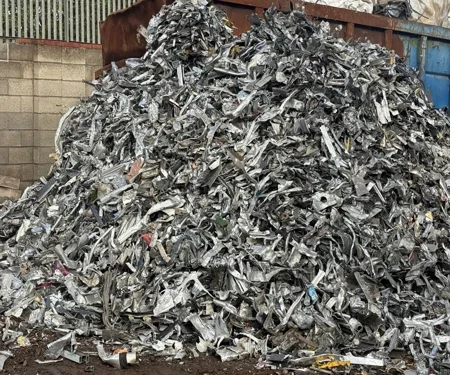
Au contraire, environmental protectionist policies in Europe and North America are driving higher recycling rates through regulations, incentives, and producer responsibility schemes. Developed regions like Europe and North America maintain recycling rates above 60-70 per cent, supported by strong systems and public awareness.
Simultaneously, developing countries face challenges due to inefficient collection, sorting issues and rising consumption, though efforts to improve are gaining momentum. The IAI reports Europe leads in aluminium scrap recovery at 81 per cent, while North America uses 57 per cent scrap in aluminium production. China, the largest consumer, generates over 10 million tonnes of scrap annually, one-third of the global total.
The global aluminium recycling market was valued at USD 107.09 billion in 2023 and is projected to reach USD 160.83 billion by 2032, growing at a CAGR of 4.62 per cent. In 2024, about 38 million metric tonnes of aluminium scrap were processed, expected to rise to 57 million tonnes by 2030 at a 7.0 per cent CAGR.
The industry is rapidly evolving, driven by advanced sorting, remelting and automation technologies that boost efficiency and purity. Digital tools like AI and IoT are streamlining collection and quality control, reducing waste and reinforcing aluminium’s role in the circular economy.
In the US, a major development is underway in Rosemount, Minnesota. Governor Tim Walz has announced a USD 71 million expansion of a recycling facility. The project is expected to create 50 new jobs and significantly increase recycling capacity to meet future demand.
Vienna has hosted the RecAL project, a Horizon Europe-backed effort uniting 19 organisations across nine countries to transform aluminium recycling. It’s advancing 14 technologies to TRL6 and features the RecAL Hub, a digital platform connecting stakeholders to build a seamless, circular aluminium ecosystem across Europe.
Hydro has announced an investment of NOK 240 million in a new Høyanger recycling plant with a 36,000-tonne annual capacity. Using renewable hydropower, it blends recycled and primary aluminium to cut emissions, highlighting clean energy's role in sustainable production.
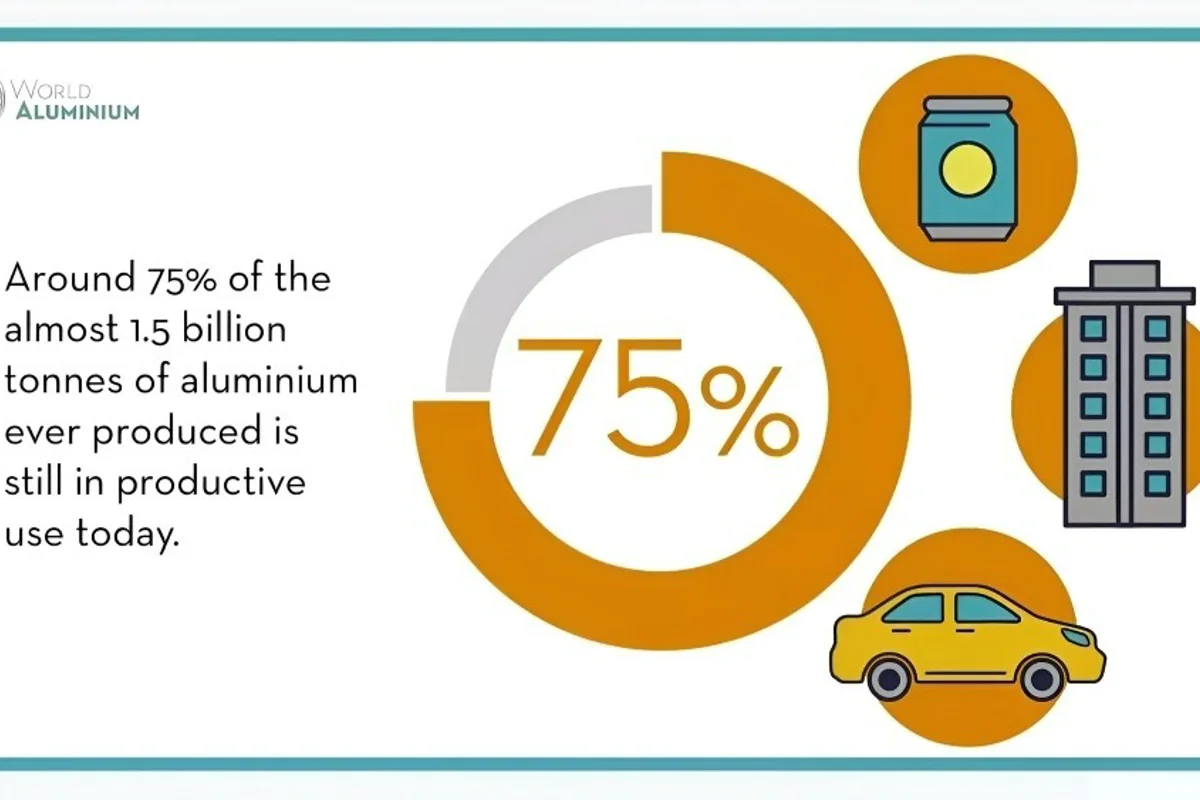
Despite existing challenges, the aluminium recycling industry is moving in a promising direction. With growing investments, policy support, and breakthrough technologies, the sector is better equipped than ever to meet rising global demand. As innovation and collaboration continue, aluminium recycling is set to play a key role in building a resilient and sustainable circular economy worldwide.












_md.webp)