Global aluminium industry enters 2026 with shifting bauxite trade, softer alumina output, mixed earnings and major restructuring
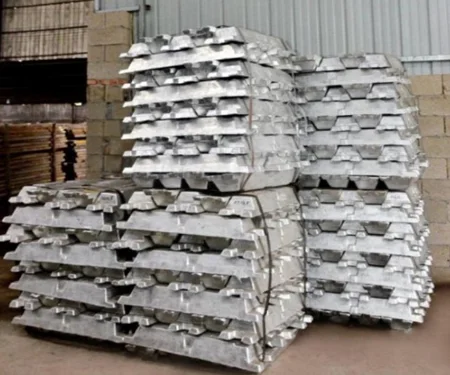
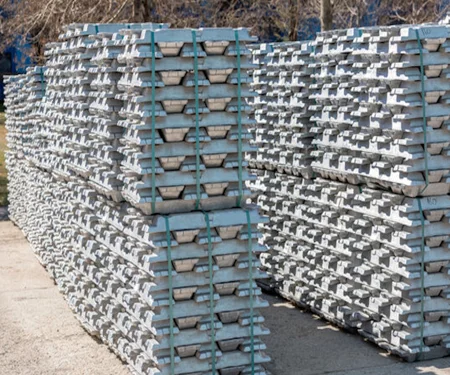
The image used in this article is generated with an AI tool and does not depict any real-time moment
中文翻译附于新闻末尾,敬请继续阅读。
The global bauxite market began 2026 with an unusual divergence. While the United States continued moving away from primary aluminium inputs, Guinea strengthened its grip on the global bauxite trade through surging exports to China, reshaping the balance of raw material flows across the aluminium supply chain.
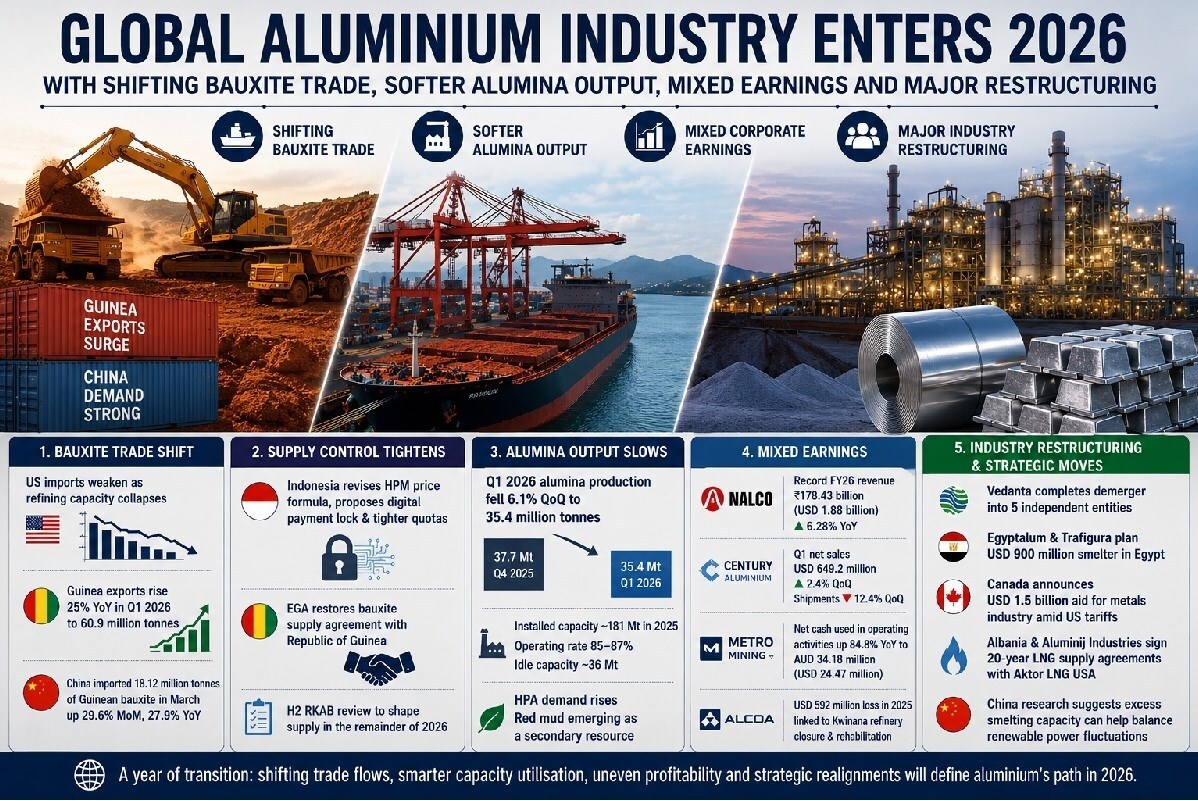
For the United States, the decline in bauxite imports reflects a much deeper structural shift that has been unfolding for years. The country has historically depended on imported bauxite because domestic reserves in Arkansas, Alabama and Georgia remain limited. But the larger issue now is the collapse of domestic alumina refining capacity, which has fallen from nearly 5 million tonnes in 2000 to around 600,000 tonnes today.
Only one refinery - Atlantic Alumina’s Gramercy plant in Louisiana - remains operational, and even that facility is currently running at roughly one-third capacity, producing around 500,000 to 600,000 tonnes annually. As refining activity diminished, the requirement for imported bauxite also weakened, despite Jamaica and Turkey continuing as the United States’ two principal suppliers in 2025. Read the full story here.
The country’s growing dependence on recycled aluminium further accelerated the transition. By the end of 2025, scrap recovery had reached 3.62 million tonnes, steadily replacing aluminium inputs traditionally derived from bauxite and alumina.
At the same time, Guinea moved in the opposite direction. The country opened 2026 with sharply higher production and export activity as Chinese demand continued pulling larger volumes from West Africa. According to mines ministry data, Guinea exported around 60.9 million tonnes of bauxite between January and March, compared with 48.6 million tonnes a year earlier - an increase of more than 25 per cent. Click here.
China remained the clear driver behind the surge, continuing to absorb over 70 per cent of Guinea’s exports. Data from SMM showed China imported 18.12 million tonnes of Guinean bauxite in March alone, up 29.6 per cent month-on-month and 27.9 per cent year-on-year.
Explore: The most comprehensive and forward-looking industry-focused report — Global Bauxite & Alumina Market Forecast to 2036: Supply–Demand, Trade Flows & Price Outlook
Indonesia reforms and Guinea pact tighten bauxite flows
As trade flows shifted, governments and producers also intensified efforts to secure pricing stability and long-term raw material access.
Indonesia emerged as one of the market’s biggest talking points after revising its HPM benchmark pricing formula. The change lowered benchmark prices to what the industry viewed as a more commercially workable level, but it also came alongside proposals for stricter enforcement mechanisms.
An industry-backed proposal to introduce a digital payment lock system aimed to ensure transactions adhered to benchmark-linked pricing, while tightening production quotas increasingly raised concerns over future ore availability. With refinery demand continuing to expand, market attention quickly turned toward the government’s upcoming H2 RKAB review process, which could heavily influence supply conditions through the remainder of 2026. The full article is here.
Guinea, meanwhile, remained central to supply security discussions after Emirates Global Aluminium restored its bauxite supply agreement with the Republic of Guinea. The settlement, involving Guinea Alumina Corporation and issues linked to Compagnie des Bauxites de Guinée, resolved disputes surrounding shipment disruptions and renewed long-term supply contracts under revised commercial terms.
Together, the developments signalled a market becoming increasingly shaped not only by production volumes, but also by state oversight, supply discipline and access to secure raw materials.
Alumina loses momentum as capacity utilisation becomes the bigger story
If bauxite markets reflected tightening supply control, the alumina sector revealed a different reality - one where capacity exists in abundance, but producers are becoming increasingly selective about how much they operate.
Global metallurgical-grade alumina production slowed noticeably during the opening quarter of 2026 after the exceptionally strong finish recorded at the end of 2025. Worldwide output fell 6.1 per cent quarter-on-quarter to 35.4 million tonnes from 37.7 million tonnes in Q4 2025.
The slowdown cut across nearly every major producing region. China underwent refinery maintenance and environmental shutdowns, Europe and Oceania continued battling energy pressures and operational disruptions, while Asia and Africa normalised output after aggressive year-end production pushes. Yet despite the quarterly decline, global production still remained marginally above Q1 2025 levels. Read the full market dynamics here.
The longer-term trajectory remained firmly upward. Metallurgical alumina output increased from 130.4 million tonnes in 2021 to 133.1 million tonnes in 2022, then to 134.8 million tonnes in 2023 and 137.8 million tonnes in 2024 before climbing to 144.9 million tonnes in 2025.
But beneath those gains lies a market increasingly defined by underutilised capacity. Installed global refining capacity stood near 181 million tonnes in 2025, while operating rates remained between 85 and 87 per cent, leaving almost 36 million tonnes idle. The imbalance suggested that producers were actively adjusting operating rates according to demand conditions, refining economics and regional cost pressures rather than pursuing maximum output. Click here.
At the same time, the alumina industry itself is gradually changing shape. High purity alumina (HPA) continued gaining strategic importance because of growing demand from electronics, optical materials and energy storage applications, positioning it as one of the sector’s higher-value growth areas.
Environmental liabilities also became harder to ignore. Alcoa Australia reported a USD 592 million loss in 2025 after booking restructuring charges of USD 1.245 billion tied largely to the closure and rehabilitation of the Kwinana alumina refinery in Perth. The scale of the charges highlighted how refinery shutdowns are increasingly carrying long-term environmental and financial consequences. Read here.
Meanwhile, the industry’s largest waste stream is beginning to be viewed differently. Red mud, long regarded primarily as a disposal problem, is increasingly attracting attention as a potential secondary mineral resource. With global alumina production reaching 154 million tonnes in 2025, annual bauxite residue generation has already surpassed 175 million tonnes, while cumulative stockpiles are estimated at around 4 billion tonnes worldwide.
Earnings reveal a market split between strong pricing and operational pressure
Corporate results across the aluminium value chain reflected a market that remained profitable in some areas while becoming increasingly difficult operationally in others.
National Aluminium Company Limited (NALCO) delivered one of the strongest performances of the period, reporting record FY26 revenue from operations of INR 178.43 billion (USD 1.88 billion), up 6.28 per cent year-on-year. Strong aluminium prices, combined with healthy bauxite and alumina sales, supported the company’s highest-ever annual revenue. Full report here.
Century Aluminum also entered 2026 with stronger earnings momentum. Q1 net sales rose 2.4 per cent quarter-on-quarter to USD 649.2 million from USD 633.7 million in Q4 2025. Yet beneath the stronger revenue numbers, operational disruptions continued weighing on production performance. Equipment failures at the Grundartangi Line 2 facility in Iceland pushed aluminium shipments down 12.4 per cent quarter-on-quarter to 122,865 tonnes. Read the full report.
Australia’s Metro Mining faced another kind of pressure. Seasonal weather disruptions, maintenance activity and logistical constraints shaped the company’s January-March quarter, pushing net cash used in operating activities up 84.8 per cent year-on-year to AUD 34.18 million (USD 24.47 million), compared with AUD 18.5 million (USD 13.24 million) a year earlier.
Don't miss out- Buyers are looking for your products on our B2B platform
Demergers, smelter plans and government support reshape the aluminium industry
Beyond quarterly earnings, the aluminium industry also spent the opening months of 2026 undergoing significant structural change.
Vedanta completed its long-awaited demerger on May 1, separating operations into five independent business verticals. Four new entities - Vedanta Aluminium Metal, Vedanta Power, Vedanta Oil & Gas and Vedanta Iron and Steel — are expected to begin trading by mid-June. Chairman Anil Agarwal described the move as part of a broader strategy to build independently scalable businesses with clearer growth pathways and stronger global competitiveness.
In Egypt, Egyptalum and Trafigura advanced plans for a new USD 900 million aluminium smelter through a newly established entity, NewCo. EFG Hermes was appointed sole financial adviser, while Trafigura will participate as a minority shareholder, debt provider and long-term raw material and offtake partner.
At the broader industry level, global aluminium production slipped 1.6 per cent quarter-on-quarter during Q1 2026, falling from 18.6 million tonnes in Q4 2025 to 18.3 million tonnes. Yet despite the softer quarter, output still remained 1.1 per cent higher than the same period last year. Read the full story here.
Governments also became increasingly active in shaping the industry’s direction. Canada announced USD 1.5 billion in financial aid to help aluminium, steel and copper industries manage the impact of newly imposed US tariffs. The package included a USD 1 billion programme through the Business Development Bank of Canada and an additional USD 500 million Regional Tariff Response Initiative aimed at smaller enterprises and export diversification.
Energy security, meanwhile, emerged as another defining theme. Albania’s Albgaz and Bosnia-based Aluminij Industries signed separate long-term agreements involving Aktor LNG USA for future US LNG supply. Under the Albanian arrangement, Albgaz is expected to receive around 1 billion cubic metres of LNG annually beginning in 2030 through a 20-year contract projected to generate approximately EUR 6 billion (USD 7 billion) in revenue. Click here.
At the same time, China reopened debate around aluminium overcapacity after new research suggested surplus smelting capacity could eventually become a stabilising tool for the country’s renewable-heavy electricity system. Instead of being viewed purely as industrial inefficiency, excess smelting capacity may increasingly help balance fluctuations in renewable energy generation by synchronising industrial power consumption with periods of stronger renewable supply. Read the full article here.
2026全球铝行业:铝土矿贸易格局重构、氧化铝产出走弱、企业盈利分化、全行业迎来大规模重组
一、铝土矿贸易分化:美国原料依赖转向再生铝,几内亚对华出口激增重塑全球原料流向
迈入2026年,全球铝土矿市场呈现两极分化格局:美国持续降低原生铝原料采购依赖,几内亚依托对华出口暴涨进一步掌控全球铝土矿贸易话语权,两大变化彻底改写铝全产业链原料流通格局。
美国铝土矿进口量下滑,背后是长达数年的深层次产业结构变革。美国本土阿肯色州、阿拉巴马州、佐治亚州铝土矿储量稀缺,历来依靠进口矿石;如今本土氧化铝冶炼产能大幅崩塌,从2000年近500万吨锐减至当前60万吨左右。全美仅剩路易斯安那州大西洋氧化铝格拉梅西炼厂维持生产,且装置开工率仅三成,年产量在50万~60万吨区间。冶炼产能萎缩直接削弱矿石进口需求,2025年牙买加、土耳其仍是美国铝土矿两大供应来源,但供货规模持续收缩。
美国加速提高再生铝使用比例,进一步加快产业转型。截至2025年末,美国废铝回收量达362万吨,再生铝稳步替代传统依托铝土矿、氧化铝冶炼的原生铝原料。
几内亚则走出反向行情,2026年初矿山开采与出口量大幅走高,中国需求持续拉动西非铝土矿外运。几内亚矿业部数据显示,该国2026年一季度铝土矿出口6090万吨,较去年同期4860万吨同比增幅超25%。
中国是拉动几内亚出口增长的核心动力,承接该国超70%铝土矿出货量。据SMM(上海有色网)数据,仅2026年3月,中国单月进口几内亚铝土矿1812万吨,环比上涨29.6%、同比上升27.9%。
二、印尼出台矿价新规、几内亚敲定长协,各国政策收紧铝土矿流通管控
贸易格局变动之下,资源国政府与矿山企业多措并举,稳定矿价、锁定长期原料供应。
印尼成为市场焦点,修订HPM基准铝土矿定价公式,下调行业公认更贴合商业化落地的基准价,同时配套落地严苛执行细则。业内提案上线数字化锁价支付系统,确保所有交易锚定官方基准价;叠加生产配额收紧,市场开始担忧远期矿石供给收紧。随着全球氧化铝厂投产扩容,市场目光聚焦印尼下半年RKAB采矿配额复审,该政策将深度影响2026年剩余时段全球铝土矿供应。
几内亚供应格局同样迎来关键转折:阿联酋环球铝业(EGA)与几内亚续签铝土矿供货协议,联合几内亚氧化铝集团、几内亚铝土矿公司解决此前货运中断纠纷,按新商务条款落地长期供货合同。
系列事件标志着:全球铝土矿市场不再仅由产能产量决定行情,各国政策监管、供给管控、原料保障能力成为影响市场的核心变量。
三、氧化铝行业:总产能充裕但开工分化,一季度产量环比下滑,高纯氧化铝、赤泥资源化成新风口
如果说铝土矿端体现各国供给管控趋严,氧化铝行业则呈现另一特征:整体产能过剩,但冶炼厂按需灵活调节开工率。
经历2025年末高产能投产热潮后,2026年一季度全球冶金级氧化铝产量明显回落,由2025年四季度3770万吨降至3540万吨,环比下滑6.1%。本轮减产覆盖全球主要产区:中国炼厂集中开展年度检修与环保限产;欧洲、大洋洲持续受能源成本高企、生产扰动困扰;亚非地区在年末突击增产过后回归常规产能。即便环比走低,一季度全球氧化铝总产量仍小幅高于2025年同期。
从长期维度看,全球氧化铝产量稳步上行:2021年1.304亿吨→2022年1.331亿吨→2023年1.348亿吨→2024年1.378亿吨→2025年1.449亿吨。但产能闲置问题日益凸显,2025年全球氧化铝设计总产能约1.81亿吨,行业平均开工率仅85%~87%,闲置产能近3600万吨。氧化铝厂不再盲目满产,而是根据下游需求、冶炼成本、区域能源价格动态调整生产负荷。
细分赛道方面,高纯氧化铝(HPA)受益于电子、光学材料、储能产业需求扩容,战略价值持续提升,成为氧化铝行业高附加值增长赛道。
环保成本压力同步凸显:美国铝业澳大利亚公司2025年计提12.45亿美元重组费用(主要用于珀斯Kwinana氧化铝厂关停与场地生态修复),全年因此亏损5.92亿美元,凸显炼厂关停伴随高额环保处置与财务成本。
与此同时,氧化铝生产固废赤泥迎来资源化转型机遇。此前赤泥长期被视作环保处置难题,如今被视作潜力二次矿产资源。2025年全球氧化铝总产量1.54亿吨,全年赤泥产生量突破1.75亿吨,全球赤泥历史堆存总量预估超40亿吨,再生综合利用成为行业新课题。
四、企业财报冰火两重天:铝价托底部分企业盈利,成本与生产扰动拖累矿山业绩
铝全产业链上市公司业绩出现明显分化:上游铝价走强支撑部分冶炼企业营收,生产扰动、物流、天气成本抬升则压制矿山端利润。
- 印度国家铝业(NALCO):2026财年实现营收1784.3亿印度卢比(折合18.8亿美元),同比上涨6.28%,创下历史新高。依托铝价上行+铝土矿、氧化铝产品产销两旺,成为全行业盈利标杆。
- 世纪铝业(Century Aluminum):2026年一季度营收6.492亿美元,环比四季度6.337亿美元小幅上涨2.4%;但冰岛Grundartangi二号生产线设备故障,导致铝锭出货量环比下滑12.4%至12.2865万吨,生产故障拖累实际盈利表现。
- 澳大利亚Metro矿业(Metro Mining):受季节性极端天气、厂区检修、物流阻滞影响,一季度经营性净现金流消耗3418万澳元(折合2447万美元),同比去年1850万澳元增幅84.8%,现金流承压显著。
五、行业重大重组:企业分拆、新建炼厂落地,多国出台产业扶持政策、能源协议落地
除财报变动外,2026年上半年全球铝产业迎来密集结构性调整,企业分拆、新建冶炼项目落地、各国出台关税补贴与能源配套政策。
- 韦丹塔(Vedanta):5月1日完成筹划已久的集团业务分拆,拆分为五大独立业务板块,四家新主体(韦丹塔金属铝业、电力、油气、钢铁)预计6月中旬独立挂牌交易。集团董事长安尼尔・阿加瓦尔表示,分拆旨在实现各业务独立规模化发展,明确成长路径、提升全球竞争力。
- 埃及铝业+托克集团(Trafigura):合资成立新主体NewCo,投资9亿美元在埃及新建电解铝厂,EFG Hermes担任独家财务顾问;托克以小股东、融资方、长协原料采购/产品包销方多重身份深度参与项目。
产量层面,2026年一季度全球电解铝产量1830万吨,较2025年四季度1860万吨环比下降1.6%,但同比去年同期仍上涨1.1%。
各国政府密集出台产业扶持政策:
- 加拿大:投放15亿加元产业补贴,对冲美国加征关税对本国铝、钢、铜行业冲击,其中10亿加元通过加拿大商业发展银行落地,剩余5亿加元专项扶持中小制造企业、助力出口多元化布局。
- 能源配套:阿尔巴尼亚Albgaz、波黑铝业分别与美国Aktor液化天然气公司签署20年长协,采购美国LNG。阿尔巴尼亚项目自2030年起年进口天然气10亿立方米,合约周期总收入预估60亿欧元(折合70亿美元)。
国内产业新思路:中国业内重新探讨电解铝过剩产能价值,相关研究提出,富余电解铝产能可成为国内新能源电力的负荷调节器——依托电解铝可灵活启停用电的特性,在风电光伏大发时段提高冶炼负荷消纳富余绿电,平抑新能源发电波动,过剩产能从低效包袱转变为新型电网调节资源。

India: Aluminium prices rise w-o-w on firm MCX and LME trends
Next articleTexmaco Rail bags $6M domestic rail equipment order from Vedanta Aluminium
Grow with
AL Circle