China’s aluminium overcapacity may become the hidden stabiliser of its renewable power grid

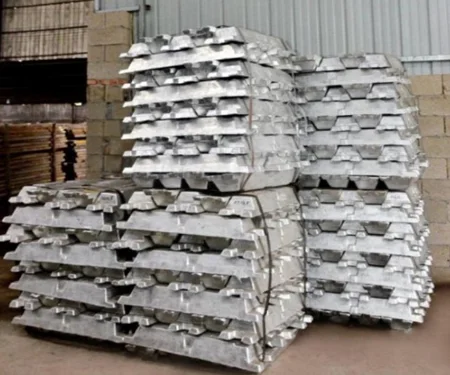
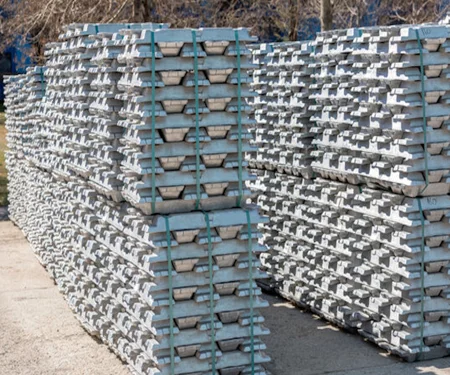
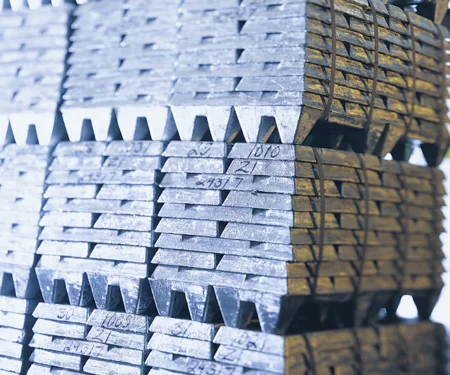
Stock image for referential purposes only
For more than a decade, the phrase “industrial overcapacity” has been shorthand for possible inefficiency in China’s heavy industries — too many smelters, too much idle infrastructure, too much capital trapped in sectors that Beijing has repeatedly tried to rationalise. Aluminium has often sat at the centre of that debate because of its enormous electricity appetite and its strategic importance to manufacturing, transport, defence and energy transition technologies.
But a new research is challenging that entire narrative. Instead of treating overcapacity as a burden, the study argues that China’s surplus aluminium-smelting capacity could become a critical flexibility tool for a renewable-heavy electricity system.
Excess smelting capacity may function as a seasonal balancing mechanism for the grid, allowing industrial production to move in sync with renewable energy availability rather than forcing the power system to continuously adapt around fixed industrial demand.
Unlock full access – sign up for FREE.
Key benefits
Century Aluminum records $649.2M in Q1 2026 net sales, up 2.4%, despite Iceland shipment decline
Next articleGeopolitical and supply-demand factors intertwined, SHFE and LME aluminium maintain range-bound weak pattern in the short term
Grow with
AL Circle