Metro Mining’s activities Q1’26: A quarter through policy, logistics and weather challenges
Stock image for referential purposes only
Australian Metro Mining has released an update of the quarterly activities for the January-March quarter (Q1), delivering a mixed but operationally resilient performance throughout the timeline. Despite near-term cost pressures and seasonal operational constraints, Metro continues to position itself to benefit from tightening aluminium market fundamentals.
Explore- Most comprehensive and forward-looking industry-focused report — Global Bauxite & Alumina Market Forecast to 2036: Supply–Demand, Trade Flows & Price Outlook
Financial highlights
The January-March financial quarter was shaped by seasonal disruptions, maintenance cycles, and evolving market dynamics across its bauxite operations. Compared year-on-year with the Q1 2025, the financial results of Q1 2026 are:
- Net cash used in operating activities – AUD 34.18 million (USD 24.47 million), up 84.8 per cent Y-o-Y from AUD 18.5 million (USD 13.24 million)
- Net cash used in investing activities – AUD 2.6 million (USD 1.86 million), down 21.52 per cent Y-o-Y from AUD 3.3 million (USD 2.37 million)
- Net cash used in financing activities – AUD 10.3 million (USD 7.37 million), up 69.47 per cent from Y-o-Y from AUD 3.14 million (USD 2.25 million)
- Cash and cash equivalents at the end of the period – AUD 9.59 million (USD 6.87 million), down 21.22 per cent from Y-o-Y from AUD 12.19 million (USD 8.72 million)
- Total financing facilities – AUD 53.24 million (USD 38.1 million), down 41.13 per cent from Y-o-Y from AUD 90.43 million (USD 64.72 million)
Metro wrapped up its 2025 shipping season on December 23, about two weeks earlier than the previous year, with the final capesize shipment deferred. As a result, there were no customer receipts recorded in January, while shipments in March 2026 faced delays due to disruptions caused by Cyclone Narelle.
On the financial front, the company reached an agreement with Nebari Partners to revise its senior debt structure, extending the maturity to December 31, 2027. This adjustment eases repayment pressure in 2026, with deferred obligations shifting into 2027.
In line with its capital management strategy, Metro also announced a share buyback of up to 5 per cent of its outstanding shares over a 12-month period, supported partly by the debt restructuring. Meanwhile, the company maintained a currency hedge position of USD165 million at an average exchange rate of AUD/USD 0.64 at the end of the quarter.
Bauxite market snapshot
The bauxite market remained well supplied in Q1 2026, keeping alumina prices under pressure and contributing to overall market softness. Despite this, aluminium fundamentals stayed relatively tight, with supply already lagging demand heading into the year. This imbalance, along with disruptions linked to the Middle East conflict, pushed aluminium prices to a four-year high. Alumina prices saw only a modest recovery from earlier lows, insufficient to restore profitability across much of the industry.
Market environment can be traced as in Guinea, spot bauxite prices rose to around USD 62 per dry metric tonne in February, driven by increased freight costs rather than by any major development in supply-demand balance. The Middle East conflict has opened the pathway to inflated shipping prices, particularly for West African exports, which add another estimated USD 10 per tonne and indirectly reinforce the prices.
Policy revisions in Guinea are also shaping market sentiment. The Guinean Government, via Nimba Mining, has decided to limit overproduction and may introduce quotas or tighter controls on exports, potentially influencing future supply dynamics.
By the end of Q1, Guinea bauxite prices edged up to about USD 68 per tonne, while Australian benchmark prices remained lower at around USD 58 per tonne. Overall, while pricing showed some resilience, the market continues to be influenced more by logistics and policy developments than by any significant tightening in physical supply.
Don't miss out- Buyers are looking for your products on our B2B platform
Operations at the Bauxite Hills Mine
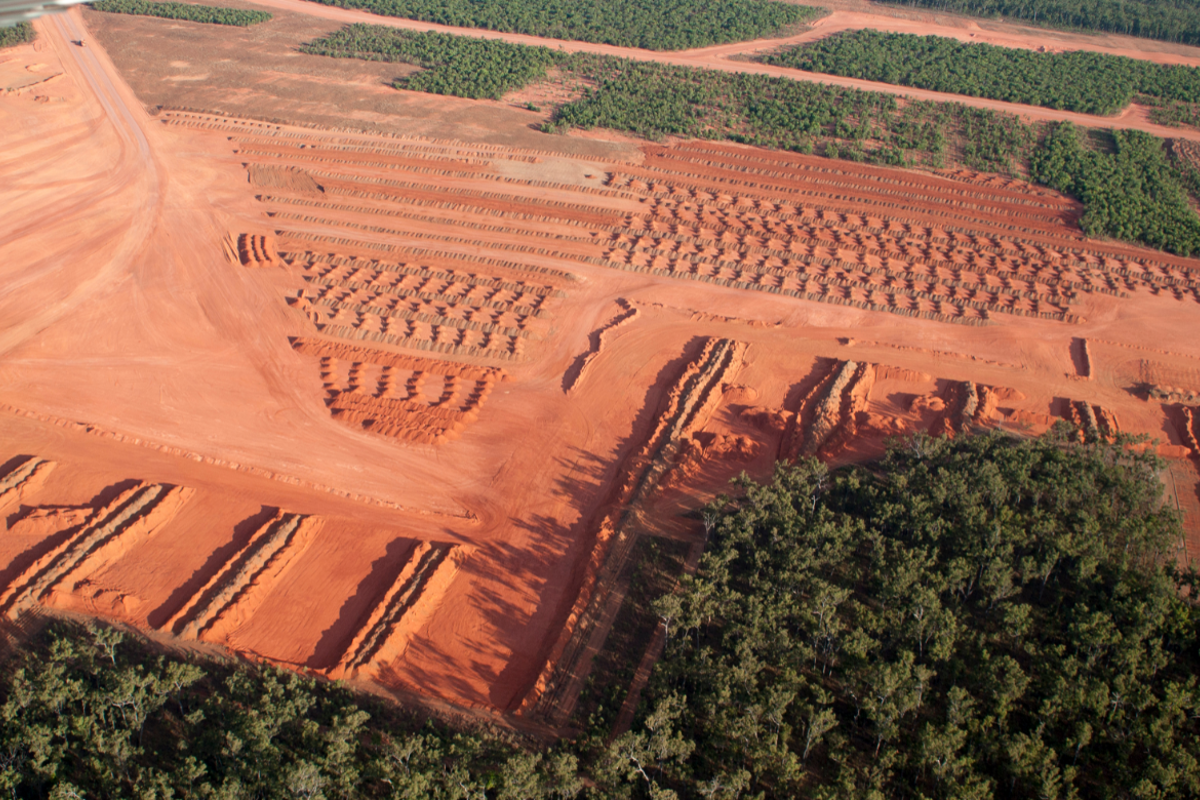
Bauxite Hills mine operations continued into late January 2026, and despite adverse weather conditions, completed the final shipment of the 2025 season. Around 165,000 wet metric tonnes (WMT of run-of-mine material was safely deferred, ensuring an early restart in March. The extended season was enabled by site improvements, including drainage upgrades, haul road design and refined stockpiling practices.
A comprehensive maintenance programme was carried out during the wet season shutdown across key infrastructure such as the barge loading facility, pontoon, and mining fleet.
Additional progress included finalising the 2026 grade control plan, upgrading camp and port communications systems, and refurbishing site facilities. Early-stage innovations in land clearing and waste stripping were also introduced to improve operations in wetter conditions.
Fuel supplies have remained stable, backed by planning and coordination with suppliers to ensure uninterrupted operations.
Marine logistics and shipping
The Q1 mining operations focused on the scheduled dry-dock and statutory maintenance of the Offshore Floating Terminal (OFT), Ikamba. The vessel was successfully towed to Batam, Indonesia, where key works were completed, including crane component replacement, equipment repairs, upgrades to hoppers and accommodation, and enhanced safety features. As the programme was timely concluded, after the refuelling in Singapore and inspections in Darwin, Ikamba is expected to return to Skardon River towards the end of April 2026, closely followed by the reinstallation and resumption of operations.
The March-April season restart shipping plans were aligned with mine operations, combining geared ultramax vessels with capesize ships supported by a floating crane barge.
All the marine assets were safely relocated to designated moorings ahead of Cyclone Narelle, which passed around late March 2026, with navigational aids temporarily removed. Although the cyclone caused some damage to the shipping channel, the impact was contained with prior widening efforts. Repair work was quickly initiated, restoring about 85 per cent of normal draft capacity.
The company also received formal recognition from the Australian Maritime Safety Authority for its effective cyclone preparedness and safety management.
Financial and strategic outlook
Metro Mining’s focus on infrastructure reliability, flexible shipping strategies, and proactive risk management, especially in weather-affected regions, remains central to its operational resilience.
Market direction will depend on aluminium price trends, freight dynamics, and policy developments in key producing regions. With operations set to ramp up post-wet season and marine capacity returning to full strength, Metro is expected to re-enter the market with improved shipment momentum in the coming months.
Must read: Key industry individuals share their thoughts on the trending topics
Indonesia Bauxite 2026: Why the price has nowhere to go but up
Next articleGuinea’s bauxite exports surge 25% early 2026, led by China’s growing demand
Grow with
AL Circle