AlCircle.com
Here’s why we deduce red mud to be aluminium industry’s next resource frontier
Edited by : Pratyusha Chatterjee
6 min read
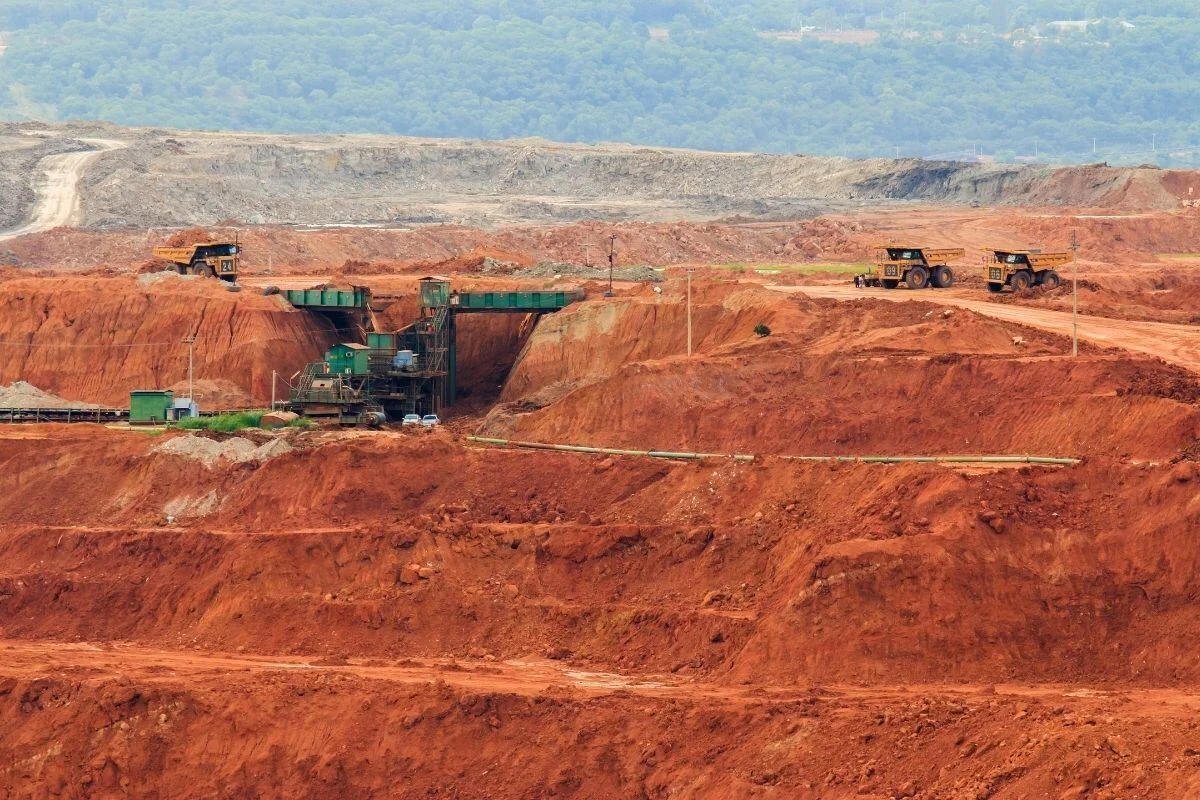
Stock image for referential purposes only
For decades, the aluminium industry has lived with a structural contradiction: for every tonne of alumina produced, it generated up to 1.5 tonnes of highly alkaline waste. That equation has now reached a breaking point.
With global alumina output crossing 141 million tonnes in 2023 and 154 million tonnes in 2025, annual bauxite residue generation has already exceeded 175 million tonnes. The cumulative stockpile stands at an estimated 4 billion tonnes, making it one of the largest untapped secondary mineral reserves on the planet.
In 2026, that legacy is no longer being managed. It is being mined.
Unlock full access – sign up for FREE.
Key benefits
Find exclusive data-driven insights and in-depth analysis
Get our daily newsletter delivered straight to your inbox
Access real-time and historical price trends from global indices
Post and respond to latest business leads
Stay ahead with alerts on learning tools
...and so much more!SIGN UP / LOGIN
Previous article
Alcoa Australia posts USD 592 million loss on USD 1.25 billion Kwinana rehab costs
Next articleGlobal alumina production drops 6.1% in Q1 2026 as major markets retreat Q-o-Q, while North America moves against the trend
Grow with
AL Circle