Ghana urged to unlock bauxite export opportunities through China and AfCFTA
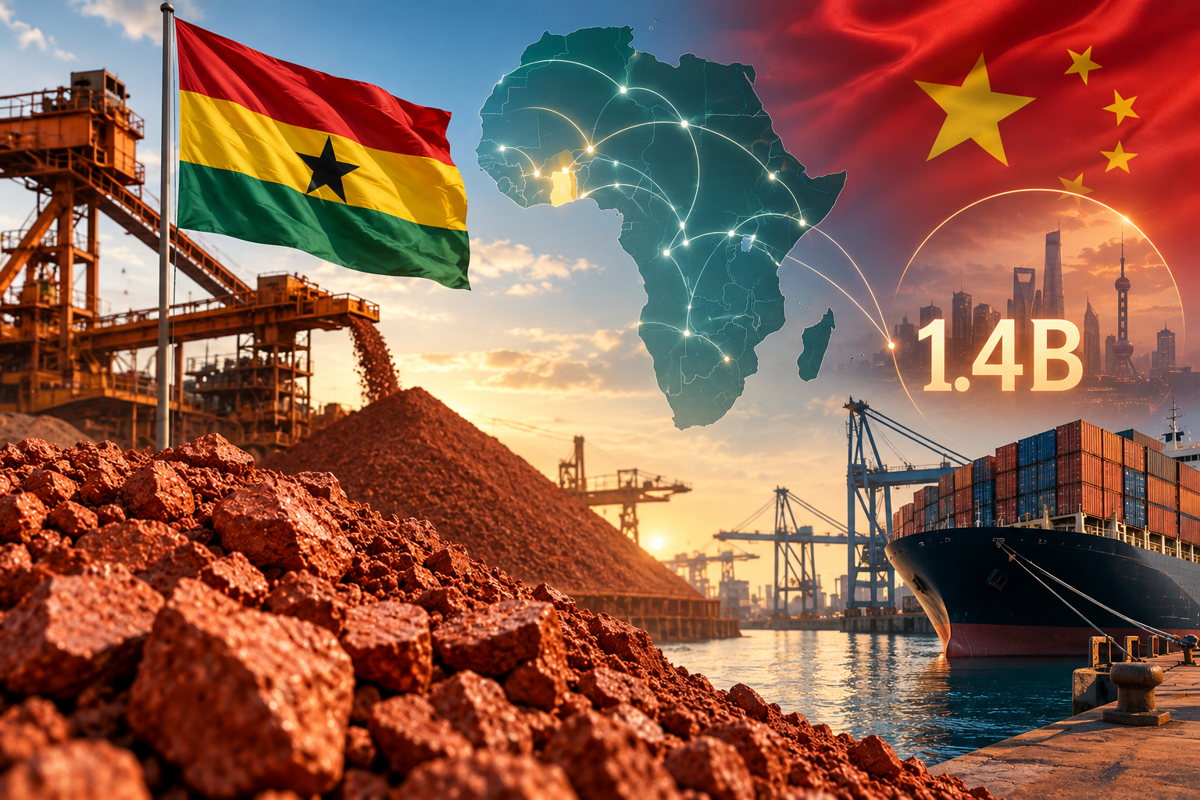
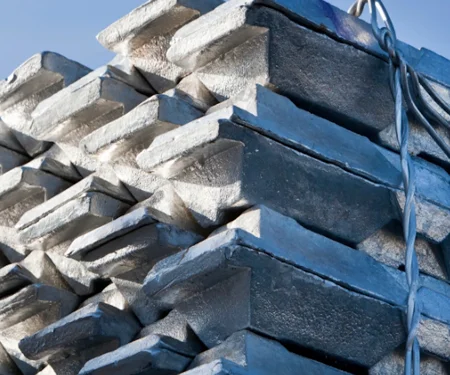
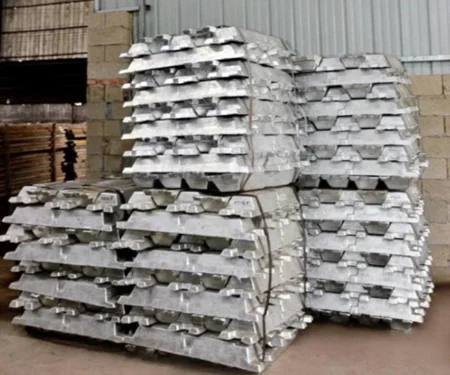
The image used in this article is generated with an AI tool and does not depict any real-time moment.
Ghana should develop a clear strategy to expand bauxite exports, strengthen value addition and take advantage of emerging international markets, rather than focusing solely on membership of global economic blocs such as BRICS, Africa Prosperity Network founder and Executive Chairman Gabby Asare Otchere-Darko has said.
Otchere-Darko argued that Ghana must prioritise the African Continental Free Trade Area (AfCFTA) and intra-African trade while preparing to benefit from China's reported zero-tariff initiative for 53 African countries. His remarks highlighted the need for the country to translate access to international markets into tangible economic gains, including opportunities for commodity sectors such as bauxite.
“Because if you're not careful, your relevance will be reduced to attending summits,” he said.
Otchere-Darko made the remarks during an X Space discussion on Sunday, October 11, 2026, on the theme “Ghana’s BRICS Bid: What Does It Mean for Ghana and Africa?”
Ghana's bauxite sector faces a value-addition challenge
Otchere-Darko questioned Ghana's preparedness to benefit from China's reported decision to grant zero-tariff treatment to products from 53 African countries. He argued that the opportunity would deliver limited benefits without deliberate efforts to increase value addition and expand exports.
“If you ask the trade ministry today what they have done to prepare Ghana to take advantage of that zero-tariff concession from China, they will probably say nothing, because we are not seeing anything. So why worry about tariffs in America when you are not doing much about zero tariffs from China?” he quizzed.
He added, “For me, the risks are not as great, so long as we have a strategy. Because if you’re not careful, your relevance will be reduced to attending summits.”
He said Ghana should identify goods and services it could competitively export to China's market of approximately 1.4 billion people, rather than relying primarily on raw commodities such as cocoa, timber, bauxite and gold.
For Ghana's bauxite industry, the wider argument points to the importance of developing export opportunities and capturing greater value from mineral resources. However, Otchere-Darko did not outline specific bauxite export targets or projects, and the source does not establish whether Ghanaian bauxite qualifies for the reported zero-tariff treatment.
Otchere-Darko also downplayed the long-term risks posed by US President Donald Trump's tariff policies, describing his approach as a temporary departure from broader geopolitical trends.
He noted that the United States was Ghana's second-largest source of imports but only its fifth-largest export destination. He argued that the country needed to diversify its trade relationships and focus on opportunities that could deliver sustainable economic gains.
Explore the production, demand and consumption forecasts of bauxite and alumina in our report: "Global Bauxite & Alumina Market Forecast to 2036: Supply–Demand, Trade Flows & Price Outlook"
BRICS membership must deliver tangible gains
Otchere-Darko said closer engagement with BRICS could offer advantages but insisted that membership alone would not guarantee economic transformation.
He urged Ghana to study South Africa's experience in the grouping since 2011 to assess the benefits and lessons for the Ghanaian economy. South Africa's more industrialised economy, he said, could provide useful insights into how BRICS membership might support trade, investment and industrial development.
He also argued that participation in the bloc need not undermine Ghana's relationships with other international partners, noting that BRICS itself includes countries with significant geopolitical differences, such as China and India, and Saudi Arabia and Iran.
However, he maintained that Ghana's more urgent task was to strengthen its position within the AfCFTA and turn the continent's integration commitments into practical economic opportunities.
AfCFTA could widen opportunities for bauxite and other commodities
Otchere-Darko said Africa's market of approximately 1.5 billion people offered substantial opportunities for manufacturing, investment and trade if governments removed barriers to the movement of goods, services and capital.
He lamented that decades of agreements on continental integration had yet to produce some of the deeper economic arrangements envisaged under the Abuja Treaty of 1991, including a continental customs union and an African central bank.
He also estimated that more than USD 4 trillion in pension funds and other savings existed across Africa, arguing that fragmented markets and regulatory restrictions limited the deployment of the continent's capital across national borders.
For Ghana's bauxite sector, stronger regional integration could form part of a broader effort to improve market access and support investment in mineral processing and value addition. The source, however, does not identify specific bauxite-related projects or quantify the potential gains from intra-African trade.
Otchere-Darko called on African heads of state, central bank governors, regulators and private-sector leaders to accelerate efforts to make the continental market function effectively.
“We need to see how our heads of state, the governors of our central banks, our regulators and all the key players, particularly pushed by the private sector, get this single market going,” he mentioned.
Ghana's AU leadership presents an opportunity
Otchere-Darko said Ghana's 70th independence anniversary in March 2027 and President John Dramani Mahama's expected assumption of the African Union chairmanship presented an opportunity to renew momentum for continental integration.
He urged the government to use the period to pursue concrete measures to dismantle trade barriers, support businesses seeking to export under the AfCFTA and advance the continent's single-market agenda.
Ghana hosts the AfCFTA Secretariat in Accra, a position he said should place the country at the forefront of efforts to deepen African economic cooperation.
He also recalled the 2007 debate on the proposed United States of Africa, arguing that the continent had missed an opportunity to accelerate political and economic integration.
Otchere-Darko said Ghana's leadership role should be judged not simply by its participation in international groupings but by practical steps to expand intra-African trade, strengthen the private sector and translate continental agreements into measurable economic benefits.
For the bauxite industry, the broader challenge is to turn the country's mineral resources into stronger export performance and greater economic value, supported by a trade strategy that looks beyond membership of international blocs.
Looking for alumina refinery raw materials? Compare grades, explore sourcing options, and connect with global suppliers on AL Biz.
Grow with
AL Circle