German Aluminium Industry marks steady business activity in H1 2018
The German association of the aluminium industry (GDA) found that the development of business activity in German aluminium sector remained positive in H1 2018. The production reportedly increased up to 0.9 per cent. But the output from aluminium converters saw a drop by 1.3 per cent. Nevertheless, the overall market in the German aluminium industry as a whole is expected to remain positive for the rest of the year.
GDA’s executive director Christian Wellner explains: “Despite political uncertainties, the German economy has developed well so far this year. On top of these favourable general conditions, there are the positive economic forecasts for aluminium, which are pointing upwards for nearly all product sectors in Germany and the rest of Europe.”
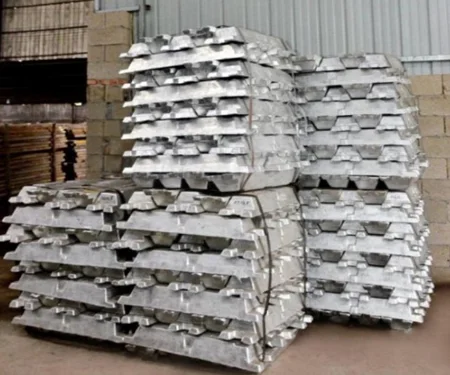
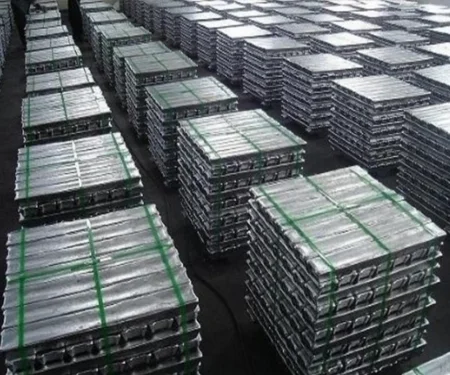
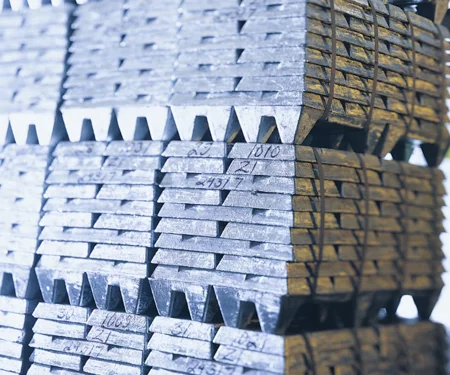
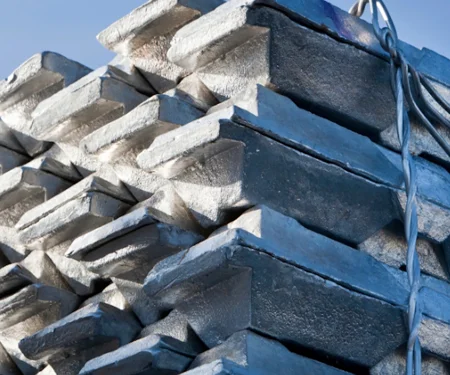
As far raw aluminium was concerned, Germany produced some 666, 7000 tonnes during January-June 2018; out of which 268,200 tonnes were primary aluminium, down 1.8 per cent from H1 2017 and the rest was recycled aluminium, up 2.8 per cent from H1 2017.
A slight rise could be seen in the production of aluminium semis as well by 0.4 per cent to stand at 1,251,600 tonnes. The production here includes rolled products, extrusions, conductor material and wire for use in carmaking, the building and construction industry, mechanical engineering, the packaging sector, etc.

The major share of this growth is attributable to the aluminium rolling mills, the production of which totalled 938,500 tonnes, representing a 0.4 per cent year-on-year hike.
The producers of extrusions also reported a stable situation in the said period of time, producing 300,400 tonnes. The remaining share of semis production (conductor material and wire) rose 12.4 per cent to 12,700 tonnes.
German converters processed 175,800 tonnes of aluminium, down 1.3 per cent from a corresponding period last year. Aluminium conversion is divided into three sectors - foil and thin strip, tube and aerosol and other cans, and metal powder. The production of the first two recorded a drop of 2.9 per cent and 1.9 per cent respectively, while the latter marked an increase by 13.7 per cent.
Aluminum Association applauds Mexico’s initiation of antidumping investigation on certain Chinese aluminium foil
Next articleCanada continues as the largest aluminium exporter to US in H1 2018; tariffs impact semi-finished import from China
Grow with
AL Circle