South China aluminium premiums hit year-to-date high on rising southwest conversion rates, scarce ingot supply

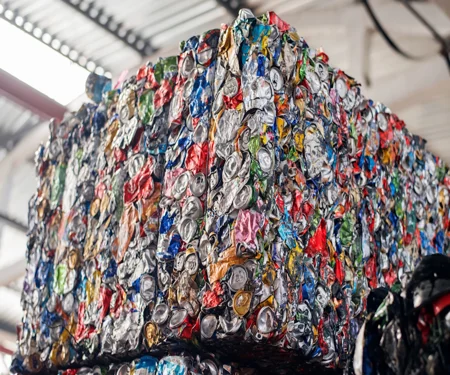
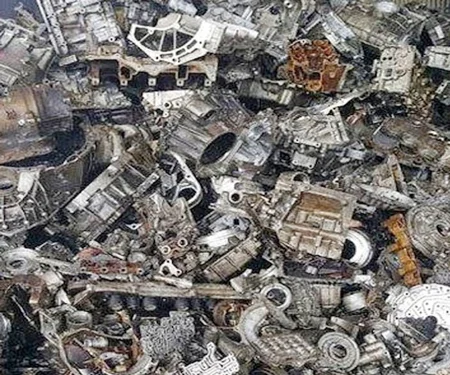
The image used in this article is generated with an AI tool and does not depict any real-time moment
In recent weeks, the domestic spot aluminium ingot market has exhibited notable regional divergence. While basis levels in East China and the Central Plains have remained relatively stable, the South China market has seen its aluminium ingot basis strengthen independently to a year-to-date high. This phenomenon is not a short-term sentiment bubble, but rather driven by structural supply-demand contradictions unique to the region, backed by clear fundamentals support.
Rising molten aluminium conversion rates continue to climb. South China's aluminium ingot supply is highly dependent on deliveries from southwestern provinces including Yunnan, Guangxi, and Guizhou. In recent years, with the accelerated commissioning of aluminium processing projects in the southwest, the regional internal supply structure has been undergoing continuous changes.
According to incomplete Mysteel statistics, the combined annualized capacity of new local molten aluminium conversion projects in Yunnan and Guangxi is expected to reach no less than 760,000 tonnes in 2026. Among these, Yunnan's slab projects stand out most prominently, with an estimated 550,000 tonnes of annualized new capacity expected within the year, accounting for over 70% of the total incremental capacity.
Behind this shift is the strong pull from the new energy sector's demand for aluminium foil. Benefiting from the fat processing margins on battery foil and electronic foil, the slab market faces a significant supply gap, incentivizing local companies to actively expand slab capacity. As molten aluminium is diverted from ingot casting to direct supply to processors, the total volume of aluminium ingots available for shipment to South China warehouses is directly reduced. At the same time, the transfer of aluminium capacity from north to south has fallen short of expectations, further exacerbating regional supply contraction.
Tradable inventories drop to "scarce" levels, liquidity premium comes to the fore. The impact of supply contraction is directly reflected in the Foshan aluminium ingot traders' inventory structure. As of September 3, Mysteel data showed Foshan aluminium ingot traders' inventories at 144,000 tonnes. However, after stripping out approximately 37,000 tonnes of unclear ownership, the actual available inventory stood at only 107,000 tonnes. Within this 107,000 tonnes, exchange warehouse warrants have suffered severe surface steel-strap corrosion from prolonged storage, substantially impairing their tradability.
Meanwhile, most Russian aluminium cargoes have been locked into term contracts for direct delivery to end-users. Combined with transaction restrictions at certain local warehouses, the freely tradable inventory available for quick transactions among intermediaries is estimated at only about 50,000 tonnes. Against such a tight liquidity backdrop, buyers are forced to pay up to secure material for contract fulfillment, driving the South China A00 aluminium ingot basis steadily higher and widening the price spread against other regions.
In summary, the independent strengthening of the South China aluminium ingot basis is the combined result of rising molten aluminium conversion rates in the southwest, slower-than-expected north-to-south capacity transfer, and extremely low effective circulation within visible inventories. Therefore, the current elevated basis in South China represents the market's rational pricing of the region's specific supply-demand dynamics, grounded in fundamental realities, with both its independence and sustainability supported by clear logic.
Note: This news is published under a content and exchange agreement with Mysteel
SuperAlloy targets semiconductor aluminium as second growth engine beyond automotive
Next articleGM invests $40m in US aluminium casting operations for truck, SUV transmissions
Grow with
AL Circle