Aluminium replaces cast iron: What drove the auto industry’s engine-block shift?
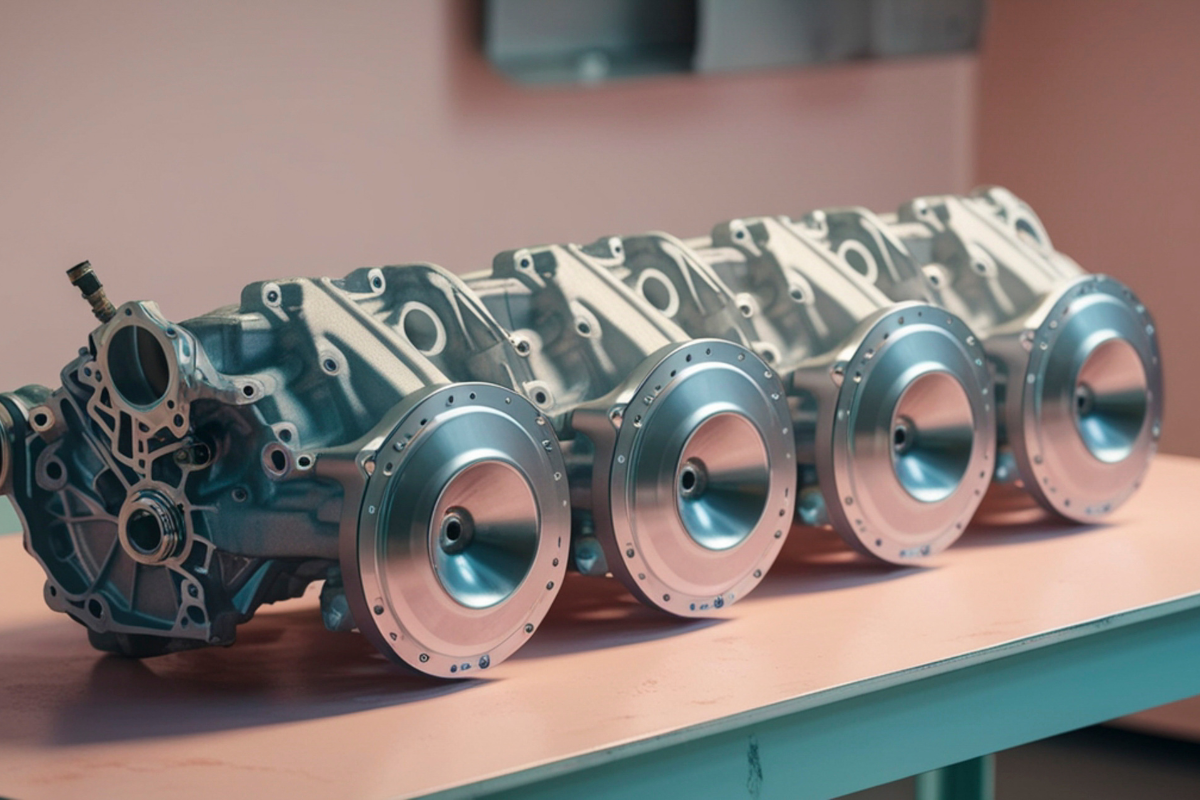
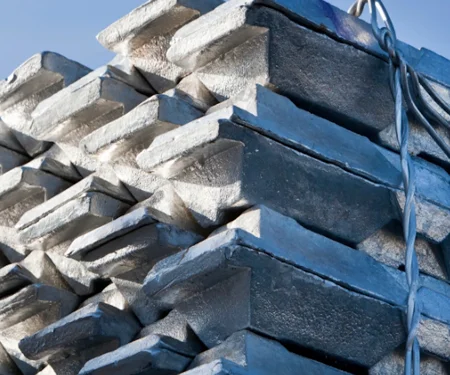
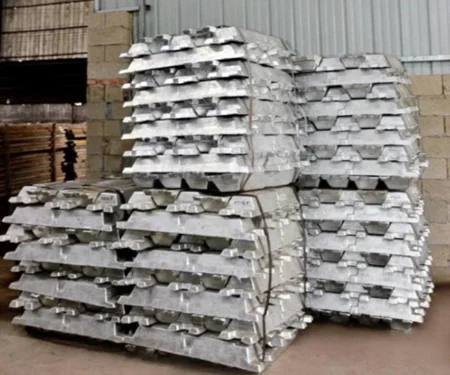
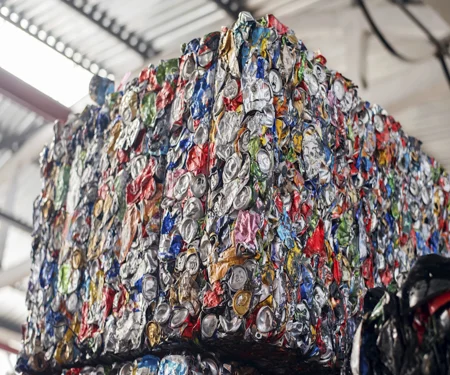
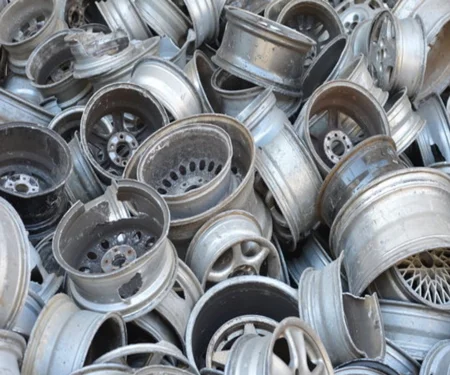
Stock image for referential purposes only
Since late 1970s, the shift from cast iron to aluminum engine blocks became a major change in automotive manufacturing, driven by the need for lighter vehicles and lower emissions. As automakers faced stricter emissions standards, reducing vehicle weight gained greater momentum. As the block is among the heaviest components of an engine, aluminum emerged as an attractive alternative to the traditional cast iron, lowering weight onus and offering better thermal conductivity.
According to the Society of Automotive Engineers (SAE), replacing conventional cast iron with aluminum casting alloys can reduce engine-block weight by approximately 40% to 55%. The lighter block is favorable to automakers, lowering overall vehicle weight, improving efficiency and cutting emissions.
To know the global production, demand and consumption forecasts of aluminium extrusions, explore our report "The World of Aluminium Extrusions to 2035"
The use of aluminum across other engine components can further strengthen this advantage. For instance, pairing an aluminum engine block with aluminum cylinder heads allows the components to expand at similar rates as temperatures change. This helps automakers avoid the thermal stresses that can occur when aluminum and cast iron, which expand at different rates, are used together.
Some common choices of aluminum engine blocks in Ford automotive include the Teksid and Windsor Aluminum Plant blocks, used in the 4.6L Modular V8 engines and the modern Coyote V8 and EcoBoost alloy engine blocks, used across a vast range from sports cars like the Ford Mustang GT, and heavy-duty trucks to economy compacts.
Explore aluminium auto components from our comprehensive list on AL Biz.
However, cast iron engine blocks have not disappeared from the automotive industry.
The Ford F-250, for example, uses a cast-iron block for its 7.3-litre V8, while Ford also uses cast iron in the F-350 Super Duty. General Motors likewise continues to use cast-iron blocks for its 6.6-litre L5P Duramax diesel and L8T gasoline V8 engines. In both cases, the cast-iron blocks are paired with cast-aluminum cylinder heads.
The continued use of cast iron comes down largely to the demands placed on certain engines. Diesel engines, in particular, generate substantial torque through rapid combustion at high temperatures and pressures, thereby, favoring cast iron for its strength.
But weight reduction is only part of the equation. Aluminum also offers an important thermal advantage over cast iron. It transfers heat to the engine coolant more efficiently, dissipating heat generated during operation more effectively, and helping manage high engine temperatures.
Therefore, while cast iron continues to have a role where strength and noise-dampening characteristics are concerned, aluminum has become the preferred material for many modern engine blocks because of its weight and heat-transfer advantages, making the ride smoother, safer and satisfactory.
Read our latest magazine “ALuminium’s Frontline: OEM Edition 2026” and learn how OEMs are transforming critical aluminium applications across end-use sectors.
One and One Green Technologies’ aluminium revenue falls 25.4% in H1 2026 amid processing upgrade
Next articleUS-Canada tariff tensions drive 84% rise in aluminum prices for Texas fabricator
Grow with
AL Circle