Downstream aluminium producers' operating rates increased slightly this week, and the divergence between sectors continues
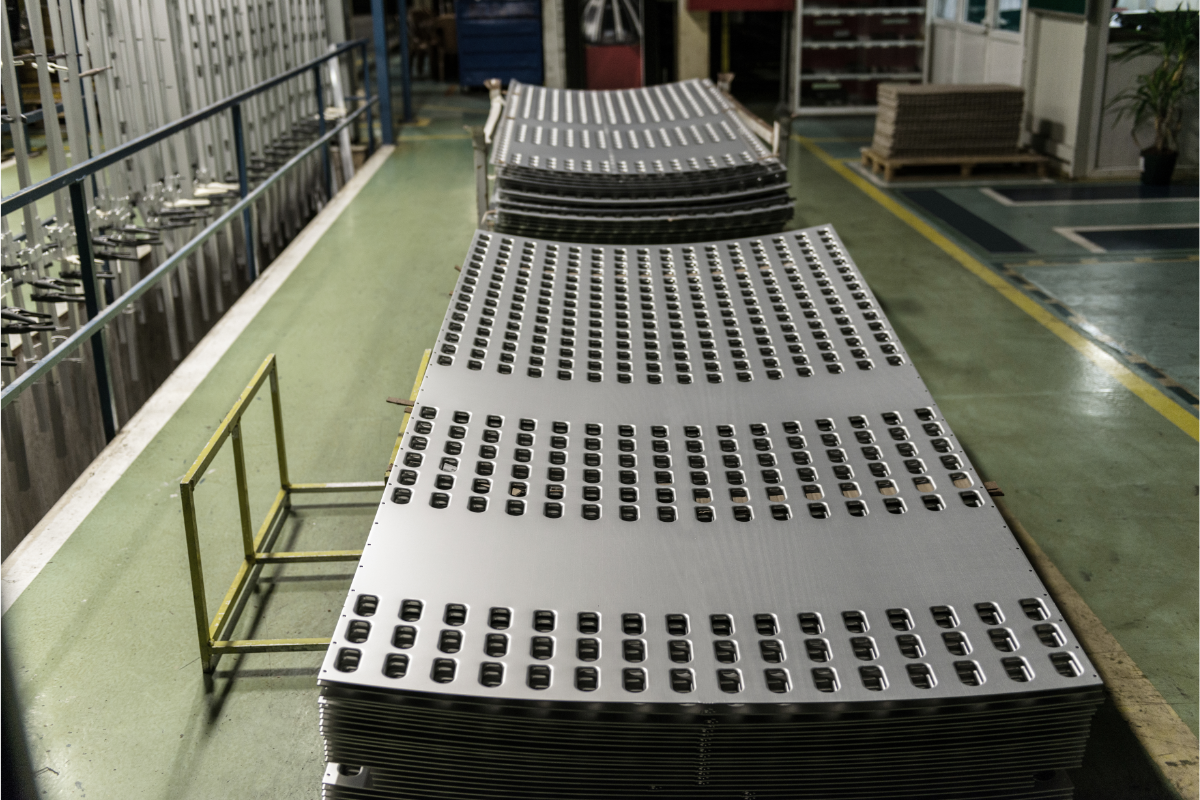
Stock image for referential purposes only
This week, the operating rate of major aluminium processors in China remained stable with a slight overall rebound, rising 0.1 per cent month-on-month. Performance was mixed across sectors, as the industry continues a moderate recovery trend. The operating rate for primary aluminium alloys climbed 0.6 percentage points to 61.4 per cent, driven by improved order volume and year-end momentum from automakers to meet their annual targets, with a positive short-term outlook. The operating rate for aluminium wire and cable rose 0.4 percentage points to 64.8 per cent, supported by recovering photovoltaic demand and restored margins, although the sustainability of the upward trend remains to be seen. The operating rate for secondary aluminium rebounded 0.6 percentage points to 53.9 per cent, with lacklustre end-use orders and persistent raw material constraints keeping short-term operations largely stable. The operating rate for aluminium extrusion remained unchanged at 52.5 per cent, as the construction segment entered its off-season while industrial demand from energy storage and automobiles showed strong resilience, with a slight contraction expected going forward. The operating rate for aluminium plate, sheet, and strip fell 0.4 percentage points to 68.8 per cent, as the off-season effect materialised and order gaps became apparent, with further contraction expected in the near term. The operating rate for aluminium foil declined slightly by 0.1 percentage points to 71.0 per cent, as battery paper production schedules retreated marginally while the peak season for packaging paper provided a floor, keeping operations high but under pressure. Overall, the industry operating rate rose slightly this week thanks to improving orders and restored margins, but divergence across sectors was pronounced, with mixed performance and moderate consolidation expected in the near term.
Primary aluminium alloy: This week, the operating rate of major primary aluminium alloy producers in China reached 61.4 per cent, a 0.6 percentage point increase month-over-month, with overall operating levels slightly higher than before. From the business side, orders for leading producers remained relatively stable into November and improved month-over-month, with significantly better production scheduling and a faster production pace slightly boosting output, which was the main support for this week's operating rate increase. On the intermediate demand side, automakers have entered their year-end sprint, and growth in end-use demand provided some impetus to primary aluminium alloy production, with the improved demand further contributing to the increased operating rate. Meanwhile, aluminium prices continue their downward trend, and the price pullback has eased the wait-and-see attitude in the market. Traders are showing more interest in inquiries and a warmer trading mood, resulting in more transactions overall and greater market activity, which also indirectly supported the increase in the trading rate. Overall, improved order volume, year-end push by automakers to meet annual targets, and the recovery in transactions driven by lower aluminium prices combined to raise this week's trading rate, with a positive short-term sector trend and expectations that the overall trading rate will continue to rise next week.
Aluminium sheets and strips: This week, the operating rate for major aluminium sheet and strip producers was 68.8 per cent, down 0.4 percentage points from the previous week, as the effects of the off-season began to materialise. By segment, traditional demand continued to weaken, and demand for can material is expected to remain weak through the end of the year. Structural support was concentrated in the new energy sector, as export tax refunds for battery products will be cancelled starting in 2027, and the rush to export energy storage kept brazing material production lines running at full capacity. Overall, comments indicate that after bringing forward orders in the fourth quarter, shipment performance this week continued to deteriorate, progress in reducing finished goods inventories fell short of previous expectations, and the November order gap has begun to become apparent. Overall, the seasonal decline in traditional demand, combined with the visible order gap, will maintain the contraction in operating rates for aluminium sheets and strips in the short term.
Aluminium wire and cable: This week, the operating rate of China's aluminium wire and cable industry rose slightly to 64.8 per cent, up 0.4 percentage points from the previous week, indicating producers showed a greater willingness to produce than before. On the production side, the workloads of the sampled companies remained stable with a slight uptick, and production lines previously constrained by high aluminium prices gradually resumed operations. On the order side, the structure was divergent: the recovery in photovoltaic installations in the fourth quarter has already translated into production schedules, driving a rebound in new energy orders; on the power grid side, the fifth batch of ultra-high-voltage transmission orders was awarded, replenishing companies' backlogs. Since State Grid orders are mostly signed with locked-in prices, the recent pullback in aluminium prices has significantly eased cost pressures, and the restoration of margins on existing orders has actually boosted enthusiasm for scheduling production. Overall, the recovery in profits and solar demand jointly supported the slight uptick in operating rates, but this increase was driven more by cost concessions than by order volume growth, and its sustainability still depends on State Grid's delivery pace and whether year-end solar grid connections can further drive volumes.
Aluminium extrusion: This week, the aluminium extrusion operating rate was 52.5 per cent, unchanged from the previous week. In the construction extrusion segment, the aluminium price centre shifted downward during the week, and demand-driven restocking by intermediate buyers earlier in the week boosted purchase volume. However, the transmission to operating rates was limited, with little change in overall weekly operations. Intermediaries maintained a strong wait-and-see approach to aluminium price developments, with purchases largely driven by need and end-use demand still weak. As temperatures gradually decline, the window for outdoor construction in northern China continues to narrow, and engineering-side demand is expected to contract further. In the industrial extrusion segment, overall operations remained stable, with automotive parts extrusion orders stabilising thanks to peak season support and utility-scale energy storage orders remaining resilient. November photovoltaic extrusion production schedules were lower than October's, with little change in weekly operations. Some companies noted that despite replenishing new orders in advance, it would still be difficult to surpass October's production schedule levels, leaving operating rates under downward pressure. Overall, construction extrusion has entered the industry's off-season with expectations of weakening orders going forward. Industrial extrusion shows internal divergences, with strong resilience from energy storage and automotive demand, but with photovoltaic extrusion under pressure. Aluminium extrusion operating rates are expected to decline slightly going forward.
Aluminium foil: This week, the operating rate for major aluminium foil producers was 71.0 per cent, down 0.1 percentage points from the previous week. Production and sales remained virtually unchanged, with battery foil and brazing foil still in steady production. However, the support side showed marginal easing: directly impacted by lower production schedule expectations at major battery cell companies, some battery foil producers have revised their November-December production schedules downward by approximately 5 per cent-10 per cent from previous forecasts, indicating volume cuts even in current full-capacity operations. Packaging foil provided a counterweight, as the packaging segment remains in its peak season with relatively large order backlogs. Demand for air conditioning foil remained virtually flat. Overall, with battery paper showing slight flexibility and air conditioning paper still weak, the packaging segment will act as the main support, keeping aluminium foil trading rates high, although under slight short-term pressure and with weakened upward momentum.
Secondary aluminium: This week, the operating rate of major secondary aluminium producers rebounded 0.6 percentage points month-over-month to 53.9 per cent, continuing the recovery trend, although the overall improvement was limited and operating performance diverged across companies. End-use orders in November were generally lacklustre; only a few companies had relatively sufficient orders to provide some support for operations, and the industry still lacked a sustained impetus to ramp up production. Regarding raw materials, weak aluminium prices dragged down the aluminium scrap price centre, but tight compliant supply and regulatory restrictions on tax invoices limited the decline in raw material prices, so companies continued to face cost pressures and procurement difficulties, with production plans generally cautious and focused on existing orders. Overall, short-term operating rates are expected to remain largely stable, with little room for further improvement due to insufficient demand growth and constraints in the supply of compliant raw materials.
Note: This article has been issued by SMM and has been published by AL Circle with its original information without any modifications or edits to the core subject/data.
Novelis Q2 sees net sales rise 25% while rolled product shipments fell 2%
Next articleCentury Aluminum gets a production boost as Iceland smelter restarts, lifting Q3 performance
Grow with
AL Circle