PM Narendra Modi’s job vision meets aluminium MSMEs’ plea for 8.25% duty relief
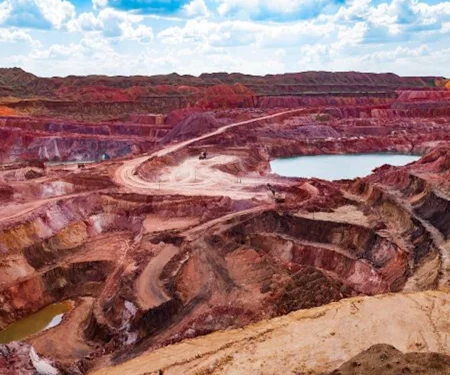
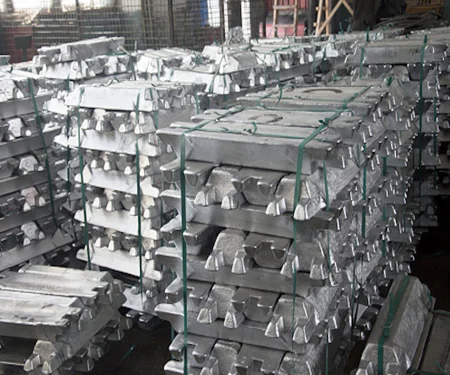
Stock image for referential purposes only
Prime Minister Narendra Modi’s recent concerns over inadequate hiring and salary growth have brought India’s employment agenda into focus, prompting the aluminium downstream industry to highlight a key policy barrier facing job-intensive manufacturing. The Aluminium Extrusion Manufacturers’ Association of India (ALEMAI) has urged the government to remove the effective 8.25 per cent import duty on primary aluminium, arguing that lower raw material costs could strengthen MSMEs, encourage investment and generate more jobs across the aluminium value chain.
ALEMAI President Jitendra H Chopra noted that the Prime Minister had correctly identified the employment challenge, but stressed that the downstream aluminium sector needed policy support to deliver on that agenda.
Explore: Most comprehensive and forward-looking industry-focused report — Global Bauxite & Alumina Market Forecast to 2036: Supply–Demand, Trade Flows & Price Outlook
“We are not asking for a subsidy. We are asking only that Indian MSMEs pay the Indian price for Indian aluminium. The Prime Minister has diagnosed the problem correctly. The cure is in the Government’s hands,” Chopra stated. He added that removing the duty would allow downstream manufacturers to create jobs, attract investment and develop domestic alloys to realise the vision of Atmanirbhar Bharat.
Making the case for the sector’s employment scope, Chopra mentioned downstream aluminium processing generates several times more jobs per crore of investment than capital-intensive smelting and supports nearly 10 lakh livelihoods. He argued that strengthening this labour-intensive segment would be a more direct route to expanding manufacturing employment.
Import duty and raw material costs weigh on MSMEs
ALEMAI has also raised concerns over India’s continued reliance on imported aluminium products, ranging from specialised alloys for defence, aerospace and automotive applications to everyday products such as doors, windows, solar frames, formwork and bicycle components.
Explore primary aluminium suppliers, product listings and trade opportunities on the AL Biz platform.
Chopra flagged the need for the development of a wider range of these products despite India’s bauxite resources and the strong margins of primary producers. He attributed the downstream industry’s cost disadvantage to expensive raw material procurement from a limited number of domestic suppliers, which, according to him, was weakening its competitiveness in both domestic and export markets.
He further argued that Indian primary aluminium producers are among the world’s lowest-cost manufacturers and therefore do not require tariff protection.
Apart from the removal of the 8.25 per cent effective import duty, ALEMAI has urged the government to direct domestic producers to supply primary aluminium to Indian MSMEs without passing on the duty component in prices until the levy is withdrawn. It has also called for stricter enforcement of rules of origin and safeguards against finished aluminium products entering India under free trade agreements (FTAs).
“If India wants employment, this is the sector to strengthen,” Chopra opined.
Read our latest magazine “ALuminium’s Frontline: OEM Edition 2026” and learn how OEMs are transforming critical aluminium applications across end-use sectors.
Grow with
AL Circle













_md.webp)
_md.webp)