The plot thickens: US-Canada deal ‘fairly close’ as China aluminium ties add a new twist
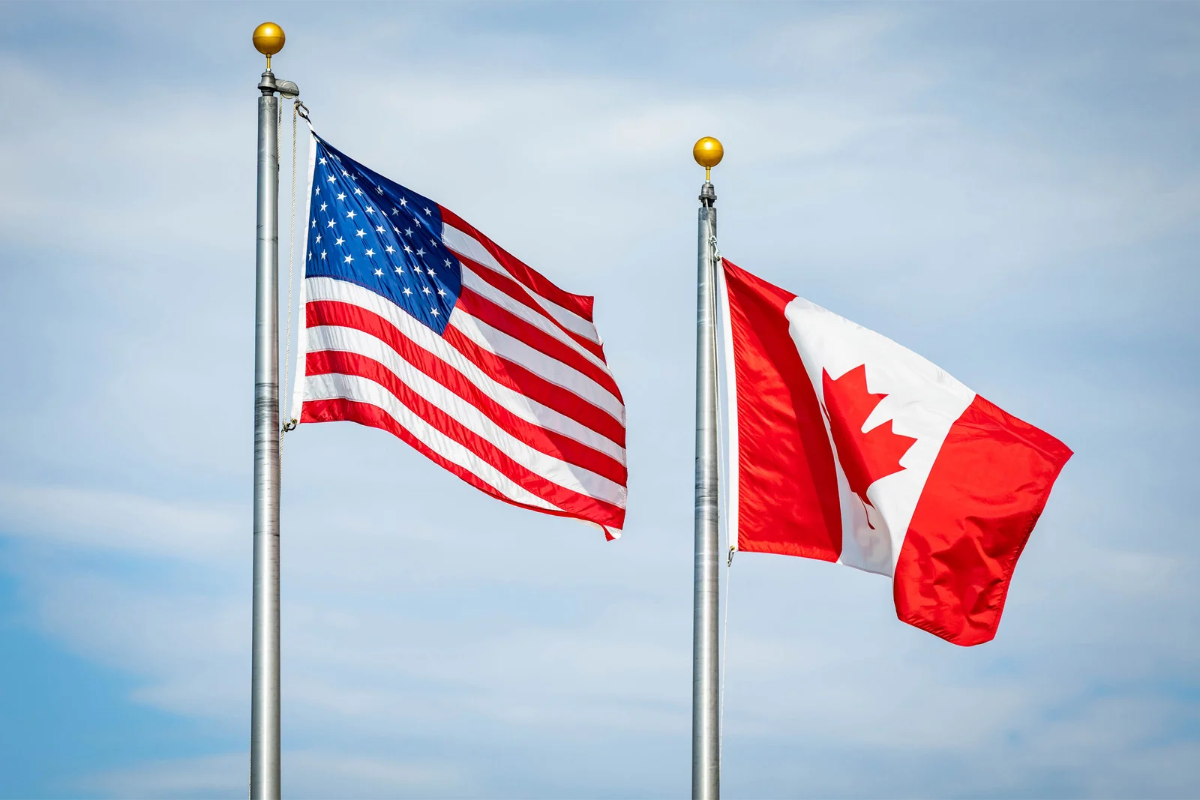
Stock image for referential purposes only
A potential US-Canada trade agreement appears to be moving closer, but Canada’s expanding trade relationship with China could complicate negotiations, surrounding tariffs on aluminium and other industrial products. According to US Trade Representative Jamieson Greer, both nations have made considerable progress towards an agreement, while key differences continue to hover over their broader trade frameworks.
Speaking in an interview with Fox News, Greer described the two sides as “fairly close on finding a landing zone” and reaching a mutually acceptable arrangement. However, he acknowledged the presence of “some concern and some worry” over Canada’s recent efforts to strengthen economic ties with China, saying the approach had caused unease in the US.
Canada and China signed a new trade agreement in November, covering tariff concessions on Canadian canola meal, pork and seafood exports, along with measures for Chinese aluminium and steel products. Greer regarded the development as a step in the wrong direction, arguing that Washington was focused on addressing the challenges of globalisation rather than expanding existing trade dependencies.
Explore: Most comprehensive and forward-looking industry-focused report — Global Bauxite & Alumina Market Forecast to 2036: Supply–Demand, Trade Flows & Price Outlook
Thereafter, Canada also expanded tariff exemptions on Chinese aluminium imports, adding 32 metal tariff items to the relief framework and extending existing exemptions through 2028. The agreement, signed between Canadian Prime Minister Mark Carney and Chinese President Xi Jinping, attempts to ease domestic metal supply constraints. China would reciprocate with additional tariff relief on approximately CAD 400 million (USD 280 million) worth of diversified products.
Despite these differences, Greer stressed that the US wanted to maintain a “constructive economic relationship” with Canada. He pointed out that most goods traded across their shared border remain duty-free and support “their economy and ours because we are close, we are integrated.”
“We’re trying to square the circle between their economy and ours because we are close, we are integrated,” he said, adding that the objective was to protect the broader North American economy while reaching an agreement beneficial to both countries.
US-Canada trade tensions remain a hurdle
The latest negotiations have surfaced post a collapse in the US-Canada trade talks in August. The dispute subsequently escalated, with US President Donald Trump imposing 50 per cent tariffs on some Canadian goods, including aluminium, CO2, cement, building materials, electronics and automotive parts, worth around USD 20 billion. Canada responded in September with equivalent retaliatory tariffs, intensifying the trade tensions.
Indiana, one of the remaining prominent strongholds of US aluminium manufacturing, had much to lose from the breakdown of the trade deal, with around 2,500 employees in its aluminium extrusion, rolling and sheet plants, accounting for almost 8 per cent of all US extrusion jobs, on the line.
Explore primary aluminium suppliers, product listings and trade opportunities on the AL Biz platform.
Aluminium is another key link in the Canada-US automotive trade relationship. It exposes automotive suppliers to cost risks both as a raw material and in components like body structures, wheels, and battery enclosures. This vulnerability is heightened by the US’s structural reliance on low-cost, low-carbon Canadian hydroelectric aluminium, which acts as an irreplaceable extension of the domestic supply chain.
The impact is even more drastic on the smaller manufacturers. Many supply components to larger Tier 1 suppliers or automakers and have less flexibility to absorb additional costs or quickly shift production.
‘It’s really, really damaging to the industry and to the financials of the industry. It makes planning for things very difficult,” said Dan Hearsch, Global Co-Leader of the firm's Automotive & Industrial practice at AlixPartners. Hence, coupled with aluminium as a raw material, the mounting pressure on auto tariffs remains another point of concern.
Negotiators from both countries have since returned to the table, with officials indicating that progress is being made towards a possible agreement. Meanwhile, Canadian Prime Minister Mark Carney’s trade partnerships beyond the US, and closer engagement with China is a strong signal at Ottawa’s efforts to diversify its export markets for ensuring market stability in the long run.
Although Greer’s latest remarks suggest a more positive negotiating climate, neither side has confirmed a final agreement or disclosed its potential terms.
Unlock key insights from leading companies and experts across the aluminium ecosystem with our e-Magazine - Mine to Market: ALuminium Producers & Manufacturers 2026
Grow with
AL Circle













_md.webp)
_md.webp)